UTI (Urinary Tract Infection): Symptoms, Causes, Treatment and Prevention
A urinary tract infection (UTI) is an infection of the bladder, urethra, ureters or kidneys, caused by bacteria in 80% to 90% of cases by E. coli. The classic symptoms are burning when you pee, peeing often, a strong urge that won’t go away and cloudy, strong-smelling or pink urine. Most UTIs are bladder infections that clear with a short course of antibiotics, often 1 to 7 days. Fever, chills, back or side pain, nausea or vomiting can mean the infection has reached the kidneys, which needs care the same day.
UTIs are among the most common infections in the United States. The CDC estimates that 50% to 80% of women will have at least one, and 30% to 40% of them will get another. Men, children and older adults get them too, and in those groups the signs are easy to miss.
This guide covers every symptom, what causes UTIs, how they’re diagnosed, which antibiotics work and which ones doctors now avoid, what helps at home, how to stop them coming back and when a UTI is an emergency. It also covers the newest UTI antibiotics approved in 2024 and 2025 and the 2025 guideline changes from the American Urological Association (AUA) and the Infectious Diseases Society of America (IDSA).
If you already have a urine test result in hand, our guide to urinalysis results explained walks through each line of the report.
What is a UTI?
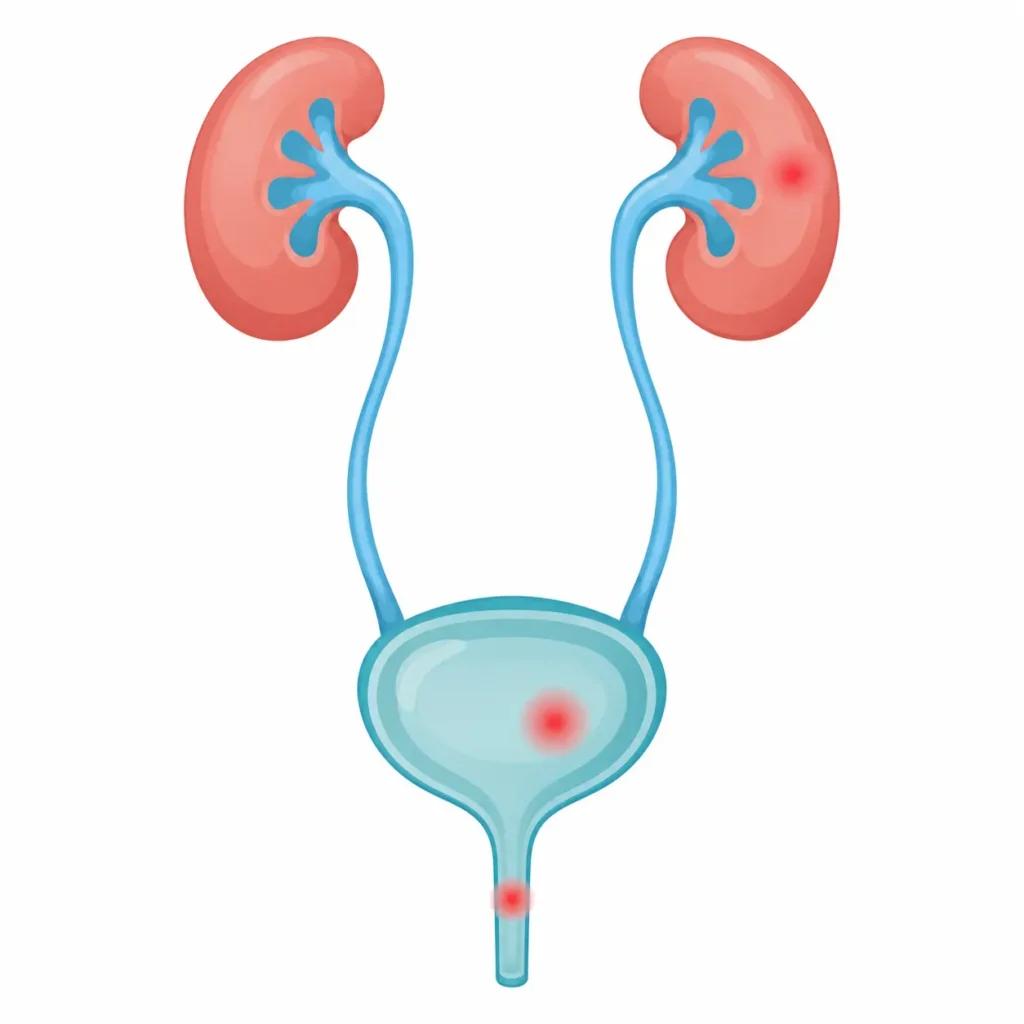
A UTI is an infection anywhere in the urinary tract, the system that makes urine and carries it out of the body. It has four parts:
- Kidneys: two bean-shaped organs in your upper back that filter blood and make urine
- Ureters: two thin tubes that carry urine from the kidneys down to the bladder
- Bladder: a stretchy pouch that stores urine
- Urethra: the tube that carries urine from the bladder out of the body
Urine is normally free of the bacteria that cause infections. A UTI starts when bacteria, usually from the skin or the bowel, get into the urethra and multiply. Most infections stay in the lower tract (the urethra and bladder). A smaller number climb up the ureters to the kidneys, where they cause a more serious illness.
UTIs send people to the emergency room about 2.7 million times a year in the US and lead to about 400,000 hospital stays, according to the CDC. Worldwide, they affect an estimated 150 million people each year, according to a review in Nature Reviews Microbiology.
Types of UTI by location
Doctors name a UTI by the part it affects, and each type feels a little different. Mayo Clinic groups the symptoms this way:
| Type | Medical name | Where it is | Typical symptoms |
| Bladder infection | Cystitis | Bladder | Pelvic pressure, lower belly discomfort, frequent painful peeing, blood in urine |
| Urethra infection | Urethritis | Urethra | Burning when you pee, discharge |
| Kidney infection | Pyelonephritis | One or both kidneys | Back or side pain, high fever, shaking chills, nausea, vomiting |
| Prostate infection (men) | Prostatitis | Prostate gland | Symptoms like a bladder infection, often with fever, pain between the legs or trouble peeing |
A bladder infection is by far the most common type. A kidney infection is less common but more serious, according to the CDC. Urethritis can come from the same bowel bacteria that cause bladder infections, but it can also come from sexually transmitted infections such as chlamydia, gonorrhea, herpes and mycoplasma, so it often needs STI testing.
Uncomplicated vs complicated UTI
You may hear your doctor use these two labels, because they change the treatment.
- Uncomplicated UTI: an infection confined to the bladder in an adult with no fever. The CDC uses this definition. It covers most UTIs in healthy women.
- Complicated UTI: an infection that has spread past the bladder, or one that comes with features that make it harder to clear. The 2025 IDSA guideline on complicated UTI counts fever, chills, back or side pain, kidney involvement, a blockage such as a kidney stone, and a urinary catheter, stent or drainage tube.
The IDSA guideline also made a change that surprises many people: diabetes, an enlarged prostate or a weak immune system no longer make a UTI “complicated” on their own. A man with a simple bladder infection and no fever can now be treated as uncomplicated.
The AUA’s 2025 update on recurrent UTIs in women went further with the wording. It replaced “uncomplicated” with “localized,” meaning an infection restricted to the lower urinary tract. You may see either term on a visit report.
Is a bladder infection the same as a UTI?
Not quite. A bladder infection is one type of UTI. Every bladder infection is a UTI, but a UTI can also sit in the urethra, kidneys or prostate. People often use the two terms for the same thing, because the bladder is where most UTIs happen. Cleveland Clinic puts it simply: cystitis is a bladder infection, and it’s the most common type of UTI.
UTI symptoms
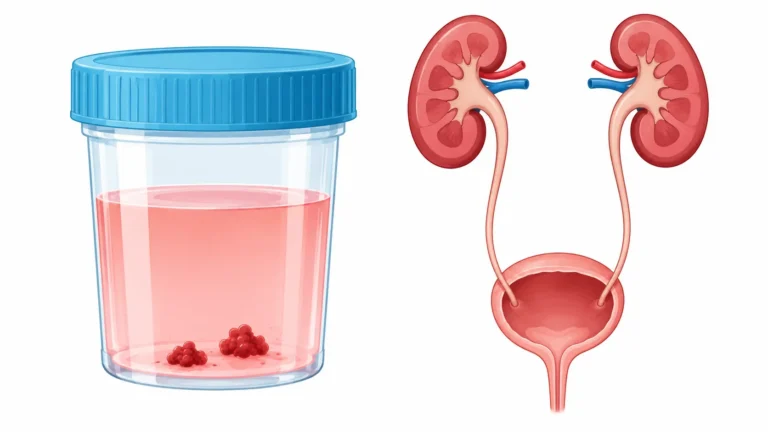
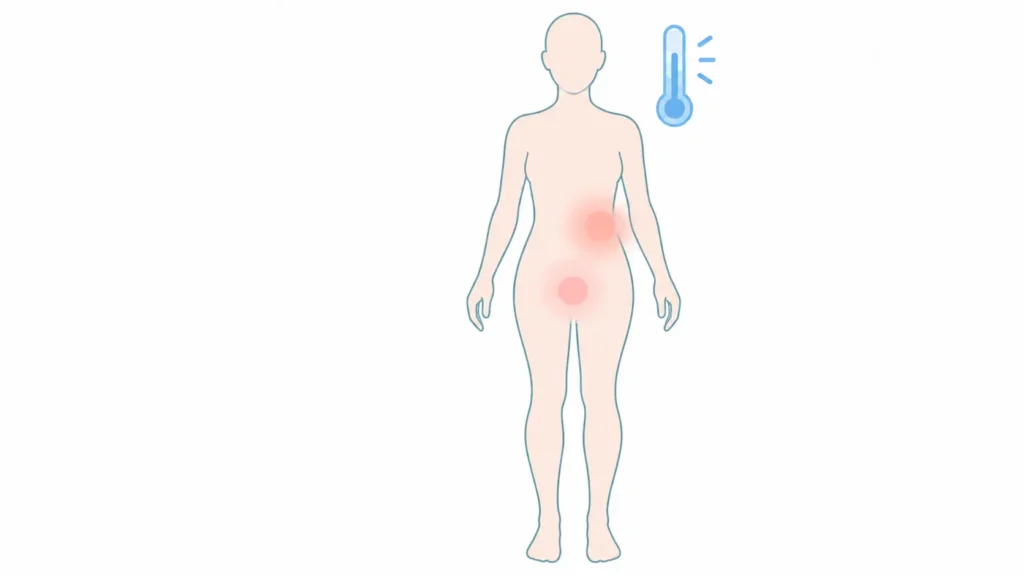
UTI symptoms usually come on quickly, over hours to a day. The CDC lists the main bladder infection symptoms as pain or burning while peeing, peeing often, feeling the need to pee even with an empty bladder, bloody urine and pressure or cramping in the groin or lower belly.
The most common symptoms
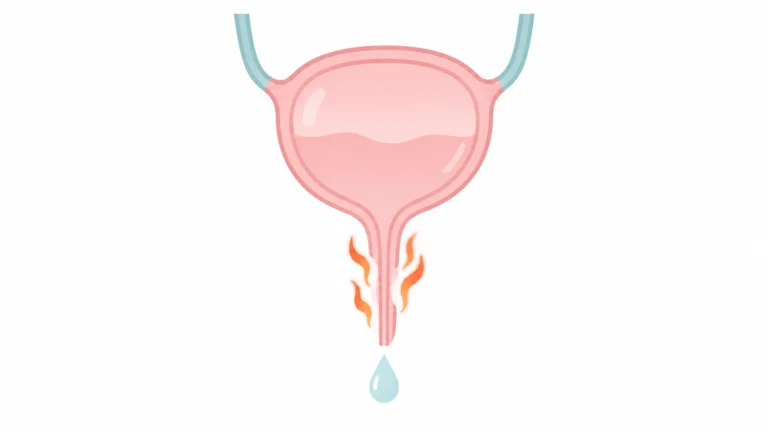
- Burning or stinging when you pee. Doctors call this dysuria. It’s the symptom most people notice first.
- Peeing often, in small amounts. You go, and a few minutes later you need to go again.
- A strong, lasting urge. The feeling that you have to pee right now, even right after emptying your bladder.
- Peeing more at night. The NHS lists waking up to pee (nocturia) as a UTI symptom.
- Cloudy urine. Pus and bacteria can make urine look milky. Our guide to mucus in urine covers other reasons urine looks cloudy.
- Strong-smelling urine. A sharp or foul smell is common.
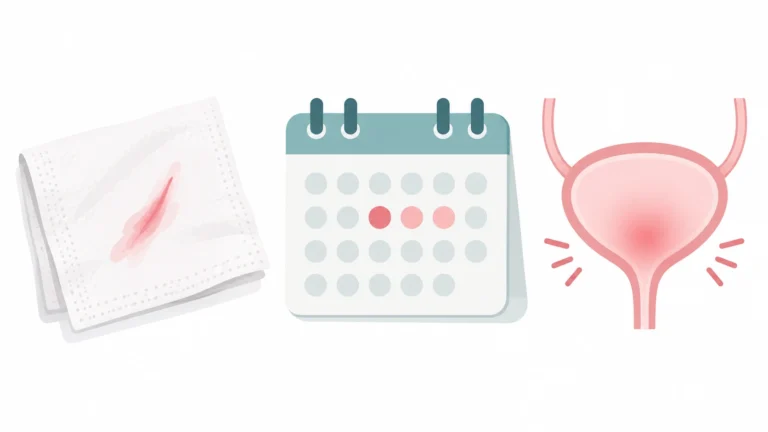
- Pink, red or cola-colored urine. An infected bladder lining can bleed. It takes only a small amount of blood to turn urine pink, and it usually clears once the infection is treated. Our guide on whether blood in urine can go away on its own explains when blood needs a recheck after a UTI.
- Pressure or pain low in the belly. Mostly in the center of the pelvis, around the pubic bone.
- Leaking urine. A sudden urge can be hard to hold, which Cleveland Clinic lists as urge incontinence.
- Feeling tired or unwell. The NHS and Cleveland Clinic both list fatigue.
Dark yellow urine with a strong smell and no other symptoms is more often a sign you need more water. The NHS points out that if dark or smelly urine is your only symptom, low fluid intake is a likely reason.
Kidney infection symptoms
When bacteria travel up to the kidneys, the illness spreads through the whole body. The CDC lists these kidney infection symptoms:
- Fever
- Chills or shaking
- Lower back pain, or pain in the side of your back under the ribs
- Nausea or vomiting
You may still have burning and frequent peeing, but some people with a kidney infection have few bladder symptoms. The NHS adds two signs that are easy to overlook: an unusually low temperature (below 96.8 °F, or 36 °C) and feeling hot, cold and shivery. A kidney infection needs a doctor the same day.
What does a UTI feel like?
Most people describe a burning or stinging feeling as urine passes, a constant pressure low in the belly and an urge that won’t let up. That urge is why some people feel they can’t get off the toilet: the inflamed bladder lining sends “full” signals even when the bladder is nearly empty, so you strain to pass a few drops and still feel you need to go.
A mild UTI may feel like little more than a bit of stinging and a few extra trips to the bathroom. A kidney infection feels like the flu with back pain: fever, aches, chills and exhaustion.
Women are often good at recognizing their own UTIs. A review in JAMA found that when a woman has burning and frequent peeing, without vaginal discharge or irritation, the chance that she has a UTI is over 90%. Itching, discharge or soreness of the skin point more toward a vaginal infection.
How a UTI progresses if it isn’t treated
A UTI tends to move in stages:
- First signs: a slight sting when you pee, a little more urgency than usual, maybe a change in smell.
- Bladder infection: steady burning, frequent peeing, pelvic pressure, cloudy or pink urine. This is where most people seek care.
- Kidney infection: fever, chills, back or side pain, nausea and vomiting as bacteria climb to the kidneys.
- Sepsis: in a small number of people, the infection spreads into the blood. The CDC lists sepsis warning signs as confusion, clammy or sweaty skin, extreme pain, fever or shivering, a high heart rate or weak pulse, and shortness of breath. This is a medical emergency.
Not every UTI climbs, and some clear on their own. But there is no way to know in advance which one will spread, which is why doctors treat most UTIs rather than wait.
UTI symptoms by group
The textbook symptoms above fit young and middle-aged women best. Other groups often show different signs, and some can’t tell you what they feel.
| Group | Signs to watch for | What to do |
| Women | Burning, frequency, urgency, pelvic pressure, cloudy or pink urine | See a doctor or use telehealth within a day or two; same day if fever or back pain |
| Men | Same bladder symptoms, plus possible fever, pain between the legs, trouble starting or emptying (prostate involvement) | See a doctor; men need a urine culture and sometimes a prostate check |
| Pregnancy | Same symptoms, but sometimes none at all; back pain or fever needs urgent care | Call your prenatal provider promptly; urine is screened at the first visit |
| Babies under 3 months | Fever of 100.4 °F (38 °C) or higher, poor feeding, irritability | Call a doctor right away, according to the CDC |
| Young children | Fever, being sick, poor eating or drinking, wetting the bed or themselves again | See a pediatrician the same day |
| Older adults | New confusion or agitation, new or worse leaking, falls, shaking chills, fatigue | Get checked promptly, but bacteria in the urine alone doesn’t prove a UTI is the cause |
| People with a catheter | Fever, new shivering, confusion, cloudy urine, pain over the bladder or kidneys | Contact the care team the same day |
The CDC notes that fever is the most common sign of a UTI in infants and toddlers, though most children with fever don’t have a UTI. For older adults, the NHS lists agitation or confusion (delirium), worse leaking and new shivering as UTI signs in frail people and people with dementia.
When symptoms are mild or missing
Some people have a UTI with little or no burning. Older adults, people with diabetes, people with a catheter and pregnant women are the most likely to have quiet or unusual signs, such as tiredness, mild belly discomfort, confusion or a fever with no clear source. Our guide to whether you can have a UTI without pain covers these silent infections in detail.
The opposite also happens. Bacteria can show up in the urine of someone with no symptoms at all. That’s called asymptomatic bacteriuria, and the CDC says most people with it don’t need antibiotics. The exceptions are pregnant women and people about to have certain urologic procedures.
Burning, itching, bleeding and period changes
These four questions are common enough that each has its own guide on CureRepublic. The short answers:
- Burning: burning when you pee is the classic UTI symptom, but STIs, yeast infections, irritating soaps and kidney stones can cause it too. See why it burns when you pee.
- Itching: a UTI rarely causes itching on the outside. Itching points more toward a yeast infection or another vaginal infection. See whether a UTI causes itching.
- Bleeding: a bladder infection can turn urine pink or red, which some women mistake for their period. See whether a UTI can cause bleeding like a period.
- Period changes: many women ask whether a UTI can make a period late or heavier. See whether a UTI can affect your period.
What causes a UTI?
A UTI happens when bacteria get into the urethra and multiply faster than the body can flush them out. The urinary tract has good defenses: urine flow washes bacteria out, the bladder lining sheds cells, and the immune system sends white blood cells to fight off invaders. A UTI starts when those defenses fall behind.
The bacteria behind most UTIs
One bacterium causes most UTIs. The CDC says Escherichia coli (E. coli) is behind 80% to 90% of cases. These aren’t the E. coli strains linked to food poisoning. They’re a group called uropathogenic E. coli (UPEC), which live harmlessly in the gut and are built to survive in the urinary tract.
Other bacteria cause the rest, according to the CDC and a review in Nature Reviews Microbiology:
- Klebsiella pneumoniae
- Proteus mirabilis, which is also linked to some kidney stones and catheter infections
- Enterococcus faecalis, more common in people with catheters or recent hospital care
- Staphylococcus saprophyticus, behind about 5% to 15% of simple UTIs, according to a review in the Western Journal of Medicine
- Enterobacter species
A few UTIs come from fungi such as Candida, most often in people with catheters or weak immune systems. The CDC notes that Candida in a urine sample is often contamination or harmless colonization, not an infection. Our guide to yeast in urine explains how doctors tell the difference.
How bacteria get into the urinary tract
Most UTIs start from the outside and work their way up. The CDC describes these routes:
- Up from the urethra. Bacteria from the skin or rectum reach the urethral opening and climb to the bladder. This is the most common route by far.
- From the bladder to the kidneys. An untreated or hard-to-clear bladder infection travels up the ureters.
- Through a catheter. Catheters give bacteria a direct path into the bladder. Even short-term or intermittent catheters raise the risk.
- Through the bloodstream. Rarely, an infection elsewhere in the body seeds the kidneys.
Everyday activities can move bacteria toward the urethra. Sex is the most common one. Wiping from back to front, touching the genital area with unwashed hands (Cleveland Clinic notes you can get a UTI from fingers, including during sex) and sitting in a soiled pad or diaper can do it too.
People often ask why a UTI came on “suddenly” or “randomly.” Usually the bacteria were already nearby, and one event, often sex, a new partner, a few days of low fluids or a round of antibiotics that disturbed the vaginal bacteria, gave them the chance to take hold.
Why some UTIs keep coming back
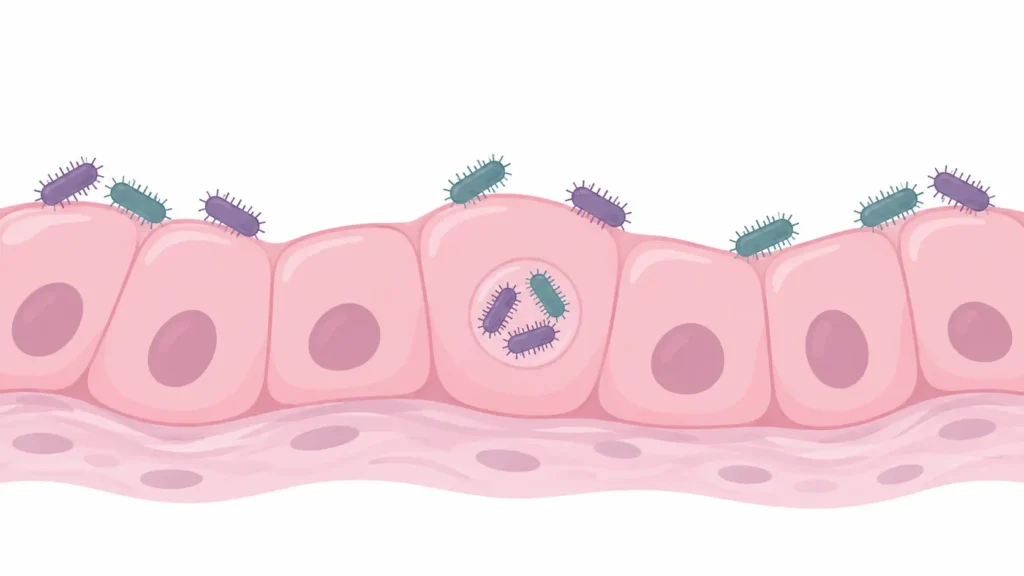
- coli has tools that help it hang on. A Nature Reviews Microbiology review describes the main ones:
- Grips on the bladder wall. Hair-like structures on the bacteria (type 1 pili) end in a sticky tip called FimH, which locks onto the cells lining the bladder. That grip helps the bacteria resist being washed out by urine.
- Hiding inside bladder cells. coli can slip inside the cells that line the bladder and multiply there in protected clusters, out of reach of the immune system and many antibiotics.
- Sleeping reservoirs. Small groups of bacteria can rest in deeper bladder layers for months and restart an infection later.
These hiding places help explain why some women get a new UTI weeks after a full course of antibiotics, even when they did everything right. Cranberry products and methenamine, two options for preventing repeat UTIs, work by making it harder for bacteria to grip the bladder or survive in urine.
Risk factors
Anyone can get a UTI, but some things make it more likely. Here’s what the CDC, Mayo Clinic, NIDDK and NHS list:
Body and life stage
- Being female. The urethra is shorter and opens closer to the anus, so bacteria have a shorter trip to the bladder.
- Lower estrogen changes the vaginal bacteria and the tissue around the urethra, which raises the risk.
- Hormone changes and a growing uterus can slow urine flow.
- Older age. CDC data show the share of adults with a UTI in a given year climbs from about 7% at ages 65 to 69 to about 14% at 85 and older.
- Being born with a urinary tract problem, such as vesicoureteral reflux, where urine flows backward toward the kidneys.
Habits and contraception
- Sexual activity, and a new partner or more frequent sex.
- Spermicide, used alone or on condoms, and a diaphragm for birth control.
- Low fluid intake, which means less urine to flush bacteria out.
- Holding urine for long periods or not emptying the bladder fully. The NHS advises not holding your pee and not rushing when you go.
- Constipation, which Mayo Clinic lists as a risk; managing it helps prevent UTIs.
Medical conditions and devices
- Blockages: kidney stones or an enlarged prostate can trap urine.
- Trouble emptying the bladder: nerve damage, spinal cord injury or a bladder that doesn’t contract well.
- Diabetes, above all when blood sugar is high.
- A weak immune system, from medicines, chemotherapy, HIV or other illness.
- Urinary catheters and recent urinary surgery or procedures.
Birth control pills don’t raise UTI risk. Neither does bad hygiene, despite the old myth. UVA Health says plainly that UTIs don’t happen because of poor personal hygiene.
Is a UTI a sexually transmitted infection?
No. A UTI is not an STI, and you can’t catch one from a partner the way you catch chlamydia. Sex raises the risk because it pushes your own bacteria from the skin, vagina or rectum toward the urethra. The CDC notes that UTI symptoms can look like STI symptoms, so your doctor may suggest STI testing, above all if you have discharge, a new partner or burning without frequency. Our guide to UTI vs STD explains how to tell them apart.
Is it a UTI or something else?
Burning, urgency and pelvic pain have many causes. When a urine test comes back clean, or antibiotics don’t help, one of these is often the reason. The list draws on the CDC’s clinical overview and MedStar Health.
| Condition | How it can feel like a UTI | The clue that it’s something else |
| Vaginal yeast infection | Burning when urine touches irritated skin | Itching, thick white discharge, soreness outside |
| Bacterial vaginosis | Irritation, discomfort | Thin gray discharge with a fishy smell |
| Chlamydia, gonorrhea, trichomoniasis | Burning when you pee | Discharge, new partner, symptoms without much frequency |
| Interstitial cystitis (painful bladder syndrome) | Bladder pain, urgency, frequency | Symptoms last for months; urine cultures stay negative |
| Overactive bladder | Urgency and frequency | No burning, no infection on testing |
| Kidney stone | Pain, blood in urine, frequent peeing, nausea | Severe pain in waves in the side, back or groin |
| Prostatitis or enlarged prostate (men) | Frequency, urgency, weak stream | Trouble starting, dribbling, pain between the legs |
| Bladder cancer | Blood in urine, frequency, urgency | Painless blood, often in smokers or people over 50; urine cultures negative |
| Irritation from soaps, sprays, bubble baths | Stinging | Starts after a new product; no infection |
| Dehydration | Dark, strong-smelling urine | No burning or urgency; clears with more water |
Yeast infections are the most common mix-up. Our guide to UTI vs yeast infection compares the two side by side, from symptoms to tests and treatment.
The AUA’s 2025 update added a new recommendation for this situation: if symptoms continue after a UTI has been cured on testing, doctors should look for other causes rather than giving more antibiotics. The kidney stone and UTI overlap is common enough that it will get its own guide on CureRepublic.
How is a UTI diagnosed?
When your symptoms are enough
For a healthy, non-pregnant woman before menopause with classic symptoms, a doctor can often diagnose a UTI from the history and exam alone, according to the CDC. The JAMA review mentioned earlier found that burning plus frequency, without vaginal discharge, makes a UTI more than 90% likely. That’s why many urgent care and telehealth visits can prescribe without a lab test.
Men, pregnant women, children, older adults, anyone with fever or back pain, and anyone whose UTIs keep coming back usually need a urine test.
Urinalysis and urine culture
A urine test usually starts with a clean-catch sample. Mayo Clinic describes it: wipe the genital area with an antiseptic pad, start peeing into the toilet, then catch the middle part of the stream in the cup. This keeps skin bacteria out of the sample.
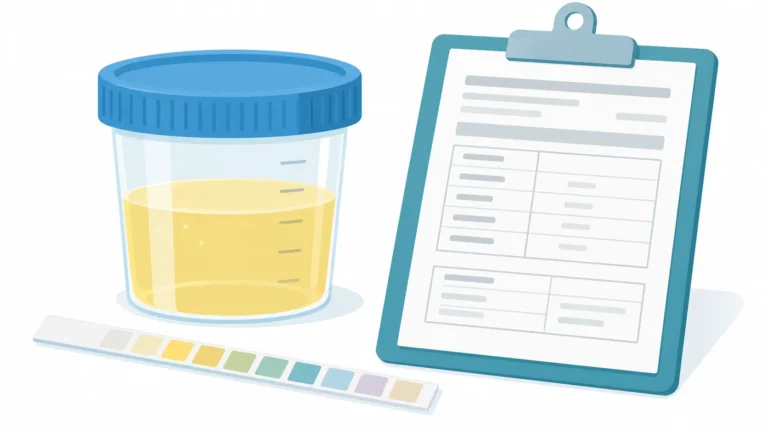
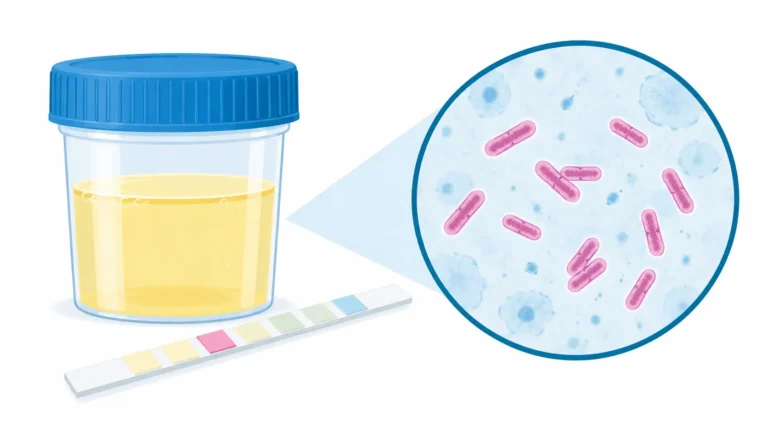
- Urinalysis: a dipstick and sometimes a microscope check look for signs of infection. The key markers are nitrites, made by bacteria such as E. coli, and leukocytes, the white blood cells that fight infection. Blood and bacteria may also show up. Results come back in minutes; CVS MinuteClinic says in about 10 minutes at its clinics.
- Urine culture: the lab grows the bacteria to name them and test which antibiotics work against them. Results take about 3 to 5 days, according to CVS. Doctors usually start treatment before the urine culture comes back and switch drugs if needed.
A urine culture that grows several types of skin bacteria usually means the sample was contaminated, not that you have an infection. Our guide to mixed urogenital flora explains that result.
The AUA recommends a urinalysis and urine culture before treatment for each new episode in women with recurrent UTIs, so the drug can be matched to the bacteria.
Home tests and where to get tested
Home UTI test strips from the pharmacy check the same nitrite and leukocyte pads as a clinic dipstick. A positive strip with symptoms supports a UTI, but a negative strip doesn’t rule one out, so see a clinician if you have symptoms either way. You can get tested at a primary care office, urgent care or a retail clinic, through telehealth, or at the ER for fever with back pain. In the US, UTI antibiotics need a prescription. Our guide to the UTI test compares home strips, urinalysis and urine culture, with accuracy, results and costs.
When you need imaging or a cystoscopy
Most people never need more than a urine test. Imaging such as an ultrasound or CT scan, or a cystoscopy (a thin scope passed into the bladder), may be used when:
- Infections keep coming back in spite of treatment
- A kidney infection doesn’t improve within a couple of days of antibiotics
- There’s blood in the urine that stays after the infection clears
- A man has a UTI with a possible blockage, or repeat infections
- A stone or structural problem is suspected
The AUA advises against routine cystoscopy or imaging for a typical woman with recurrent UTIs, because the results rarely change treatment.
UTI treatment
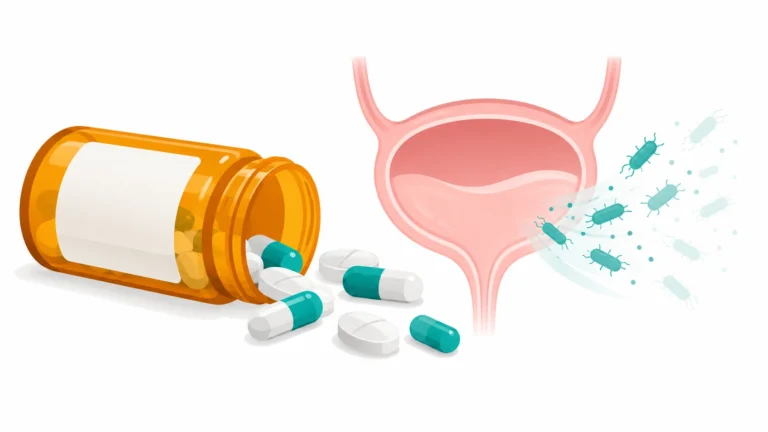
Antibiotics cure bacterial UTIs. The CDC, Mayo Clinic and Cleveland Clinic all say the same thing: a healthcare professional picks the antibiotic based on your symptoms, your health, where you live (local resistance patterns) and, when there is one, the urine culture. Pain relievers and home care help you feel better while the antibiotic works, but they don’t clear the infection.
Which antibiotic you’ll get
For a simple bladder infection, the IDSA lists four first choices: nitrofurantoin (Macrobid) for 5 days, trimethoprim-sulfamethoxazole (Bactrim) for 3 days, a single dose of fosfomycin (Monurol), or pivmecillinam (Pivya). Fluoroquinolones such as ciprofloxacin are kept for kidney infections and cases with no other option, and amoxicillin isn’t used without a urine culture. Our guide to antibiotics for a UTI covers doses, side effects, interactions and which antibiotics won’t work.
Newer UTI antibiotics approved in 2024 and 2025
After decades with few new options, the FDA approved three new UTI antibiotics within about a year. All three are for uncomplicated bladder infections, and none replaces the first-line drugs for most people.
- Pivmecillinam (Pivya) was approved on April 24, 2024, for adult women with uncomplicated UTIs caused by E. coli, Proteus mirabilis or Staphylococcus saprophyticus.
- Sulopenem (Orlynvah) was approved on October 25, 2024, for adult women with uncomplicated UTIs who have limited or no other oral antibiotic options. It’s an oral drug from the penem family, aimed at resistant infections.
- Gepotidacin (Blujepa) was approved on March 25, 2025, for females aged 12 and older who weigh at least 88 pounds (40 kg). GSK described it as the first new class of oral antibiotics for UTIs in nearly three decades. In one of its main trials (EAGLE-3), it succeeded in 58.5% of patients vs 43.6% with nitrofurantoin, a measure that combined symptom relief and clearing the bacteria.
Because resistance builds every time an antibiotic is overused, these newer drugs are best kept for infections that resist the older ones. Ask your doctor whether one fits your situation, above all if you’ve had resistant UTIs.
Kidney infections and complicated UTIs
A kidney infection or other complicated UTI needs a stronger plan. The 2025 IDSA guideline on complicated UTI, the first of its kind, made several changes:
- Shorter courses. Five to seven days of a fluoroquinolone, or seven days of another antibiotic, is preferred over the old 10 to 14 days for most complicated UTIs, including many kidney infections.
- Pills when possible. People who are improving and can take medicine by mouth should switch from IV antibiotics to an effective oral drug.
- Not bladder-only drugs. Nitrofurantoin and oral fosfomycin don’t reach high enough levels in the kidneys and blood, so they aren’t used for kidney infections.
- Match the drug to the urine culture once results are back, narrowing to the most targeted option.
Severe infections, or people who can’t keep fluids down, may need IV antibiotics in the hospital, according to Mayo Clinic.
UTI treatment for men
A UTI in a man used to mean an automatic two-week course. Two newer findings changed that:
- The 2025 IDSA guideline treats a bladder infection in a man with no fever as uncomplicated, the same as in a woman.
- A trial of 272 men without fever, published in JAMA in 2021, found 7 days of antibiotics worked as well as 14: symptoms cleared in 93.1% vs 90.2%.
Men with fever and suspected prostate infection (acute bacterial prostatitis) may still need 10 to 14 days, according to the IDSA. The CDC notes that men with UTI symptoms may need their prostate checked for inflammation or infection. Men under 50 rarely get bladder infections, according to the NIDDK, so a doctor may look more closely for an STI, a blockage or a prostate problem when a younger man gets one.
UTI treatment during pregnancy
UTIs in pregnancy are more likely to spread to the kidneys, according to the NIDDK, and can affect the baby. Two rules apply:
- Every pregnant woman should be screened. The US Preventive Services Task Force recommends a urine culture to check for bacteria, even without symptoms. Bacteria found this way are treated, unlike in most other adults.
- Some antibiotics are chosen with care. The American College of Obstetricians and Gynecologists (ACOG) says nitrofurantoin and sulfa drugs remain first-line in the second and third trimesters and are acceptable in the first trimester when no other suitable antibiotic is available. ACOG also says pregnant women should never be denied treatment, because an untreated infection carries greater risks.
Call your prenatal provider for any UTI symptoms, and go to labor and delivery or the ER for fever, back pain or vomiting.
How fast antibiotics work, and why you finish the course
Most people feel better within a few days of starting an antibiotic, according to Cleveland Clinic. GoodRx notes many people feel relief within 1 to 2 days. The burning often eases first; the urge and pressure can take a little longer.
Feeling better doesn’t mean the bacteria are gone. The CDC advises taking every dose exactly as prescribed, not sharing antibiotics and not saving leftovers for next time. Stopping early can let the infection come back, and it can be harder to treat the second time.
Call your doctor if you’re not improving within about 48 hours of starting treatment, or sooner if you get worse. The NHS uses the same 48-hour mark. A urine culture may show the bacteria resist the drug you’re taking.
Side effects and antibiotic resistance
Like all medicines, antibiotics can cause side effects. The CDC lists mild rashes, severe allergic reactions, drug-resistant infections and C. diff, a gut infection that causes diarrhea and can damage the colon in severe cases. Antibiotics also disturb the helpful bacteria in the gut and vagina, which is why some women get a vaginal yeast infection after treating a UTI. Our guide to yeast in urine covers that link.
Resistance is the bigger long-term problem. Every course gives bacteria a chance to change, and resistance tends to rise with repeat infections, according to the CDC. It’s a big reason doctors now favor short courses, urine cultures for repeat UTIs and non-antibiotic prevention.
How to get rid of a UTI fast
Our guide on how to get rid of a UTI fast covers pain relief tonight, over-the-counter options, which home remedies help and what not to do.
The fastest path to treatment
- Get seen the same day. Use telehealth, urgent care, a retail clinic or your own doctor. For a typical bladder infection in a healthy woman, a prescription can often come from a symptom check alone.
- Fill the prescription locally. GoodRx advises skipping mail-order and picking up the antibiotic right away, since the sooner you start, the sooner it works.
- Take the first dose as soon as you can, then every dose on schedule.
- Use pain relief while you wait (below).
Can you get rid of a UTI in 24 hours? The realistic goal is much less pain within 24 to 48 hours of the first antibiotic dose, not a cure in a day without one.
Pain relief while the antibiotic works
- Phenazopyridine (sold as AZO and other brands): numbs the urinary tract and eases burning, urgency and frequency. The label says not to use it for more than 2 days without a doctor, warns that it turns urine reddish-orange and can stain contact lenses and clothes, and makes clear it doesn’t treat the infection.
- Ibuprofen, naproxen or acetaminophen: help with pelvic and back pain. Follow the label dose.
- A heating pad: Mayo Clinic suggests a warm, not hot, heating pad on the belly to ease bladder pressure.
What to drink, and what to avoid
Drink:
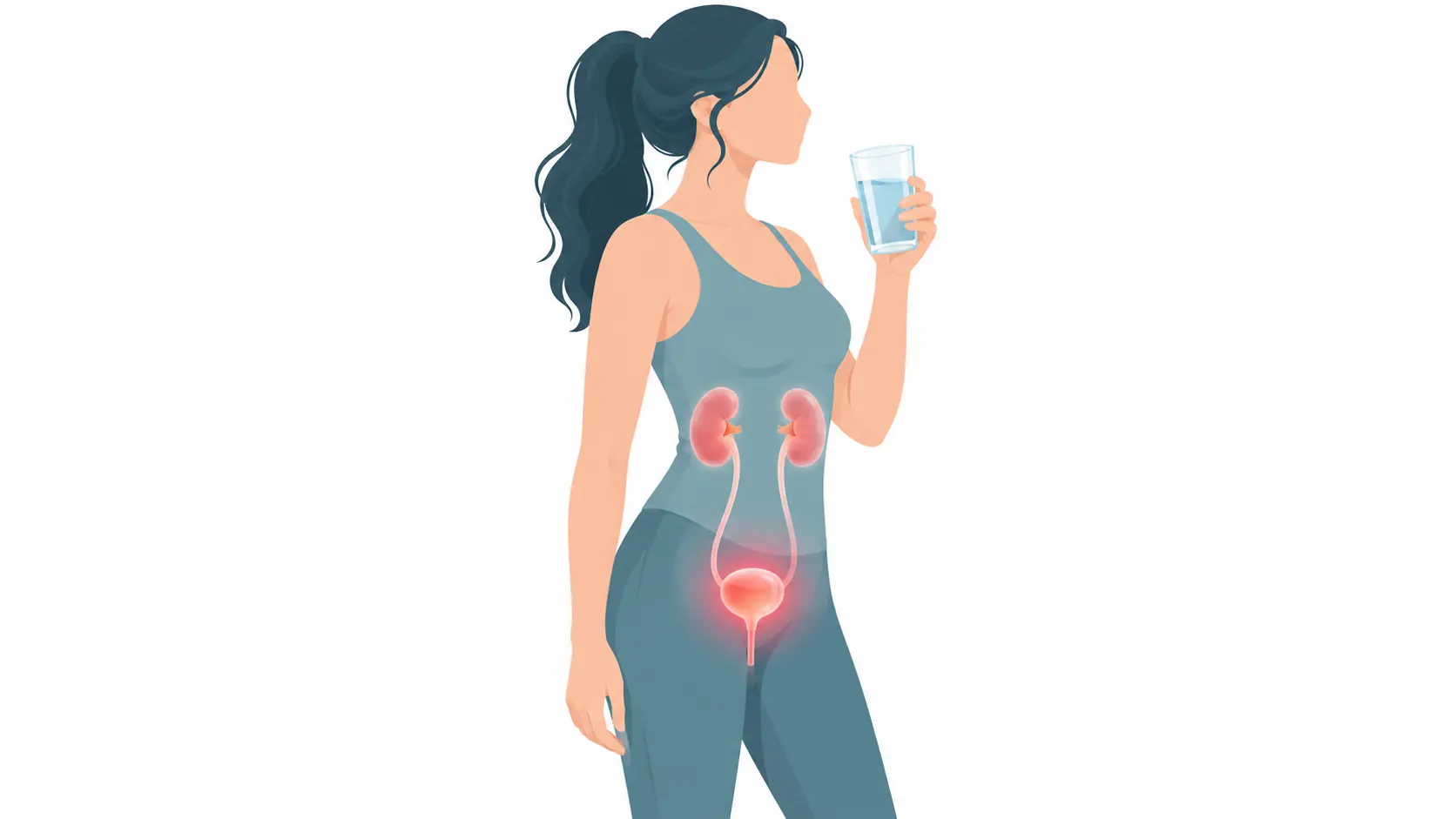
- Water, enough that you pee pale urine regularly through the day, as the NHS puts it. Water dilutes urine, which can ease the sting, and helps flush bacteria. Mayo Clinic suggests aiming for at least 1.5 liters (about 50 ounces) of fluids a day, unless your doctor has told you to limit fluids.
- Other unsweetened, caffeine-free drinks such as herbal tea also count toward fluids.
Avoid until the infection clears:
- Coffee and other caffeinated drinks, which can irritate the bladder and increase the urge to go (Mayo Clinic, GoodRx)
- Alcohol, which irritates the bladder and can interact with some antibiotics (GoodRx)
- Fruit juices, citrus drinks and fizzy soft drinks (Mayo Clinic, NHS)
- Lots of sugary food or drinks, which the NHS says may encourage bacteria to grow
You don’t need to force huge amounts of water. GoodRx notes there’s little research on flushing out a UTI with water alone, and MedStar Health warns that drinking far more than you need can cause urgency and frequency that feel like a UTI.
Home remedies that won’t cure a UTI
Many home remedies are popular. Few are backed by evidence, and none replaces antibiotics for an active infection.
| Remedy | What the evidence shows |
| Cranberry juice or pills | Can help prevent repeat UTIs in some women (Cochrane 2023), but the NHS and NCCIH say it doesn’t treat an infection that has already started |
| D-mannose | A 2024 trial of nearly 600 women found no benefit for preventing UTIs; there’s no good evidence it treats one |
| Baking soda in water | Not recommended. MedlinePlus warns that large amounts of baking soda are poisonous and can cause vomiting, muscle spasms, seizures and heart rhythm problems |
| Apple cider vinegar | Still being studied for prevention; no proof it treats a UTI (GoodRx) |
| Vitamin C | Weak evidence for prevention; no proof it treats a UTI |
| Green tea | Lab studies show its compounds can harm E. coli, but there’s no proof it cures a UTI (GoodRx) |
| Probiotics | Mixed results for prevention; they don’t treat an existing infection |
A few herbal products sold online claim to work “as well as antibiotics.” US guidelines don’t support using any herbal remedy in place of antibiotics.
What not to do when you have a UTI
- Don’t take leftover or borrowed antibiotics. The wrong drug or dose can fail and breed resistance, and the CDC advises against saving or sharing antibiotics.
- Don’t stop antibiotics early because you feel better.
- Don’t use phenazopyridine for more than 2 days without seeing a doctor, or take it right before a urine test.
- Don’t hold your pee. Go when you feel the urge and empty your bladder fully.
- Don’t douche or use sprays, powders or scented soaps on the genital area. The CDC advises keeping these to a minimum.
- Don’t wait out a fever, back pain or vomiting. These need care the same day.
- Consider pausing sex until you’re treated. GoodRx notes sex with a UTI can add irritation and make a new infection more likely.
Will a UTI go away on its own?
Sometimes. A mild bladder infection can clear without antibiotics, but it happens less often than most people hope, and there’s no way to predict whose infection will spread to the kidneys. Don’t wait if you have fever, chills, back pain or vomiting, if you’re pregnant or male, or if symptoms aren’t better after 48 hours. Our guide on whether a UTI can go away on its own covers what the research shows.
How long does a UTI last?
With antibiotics, a simple bladder infection usually eases within 1 to 2 days and is gone within a week. A kidney infection takes longer, with a 5 to 7 day course for most people. If symptoms last longer than expected, or come back soon after you finish the antibiotic, see your doctor. Our guide to how long a UTI lasts gives the day-by-day timeline and the reasons a UTI won’t go away.
Recurrent UTIs: why they keep coming back
Two or more UTIs in six months, or three or more in a year, count as recurrent UTIs. They’re common: Harvard Health reports that 25% to 30% of women who have a UTI get another within six months. Most are new infections, and the usual drivers are sex, spermicide, menopause, family history and a bladder that doesn’t empty fully. Doctors confirm each one with a urine culture and build a prevention plan. Our guide on why you keep getting UTIs covers the causes, the tests to ask for and the treatment options.
How to prevent a UTI
The steps with the best evidence are drinking more water if you drink less than about 1.5 liters a day, vaginal estrogen after menopause and cranberry products for women who get repeat UTIs. Peeing after sex, wiping front to back and skipping spermicide and douches are low-risk habits worth keeping. Our guide to how to prevent UTIs ranks every option, from methenamine to D-mannose, by the strength of its evidence.
UTIs in children, older adults and people with catheters or diabetes
Men and pregnant women are covered in the treatment section above. These groups have their own concerns.
Children
By age 7, about 8% of girls and 2% of boys have had a UTI, according to the NIDDK, and up to 3 in 10 children get another within 6 to 12 months. In the first year of life, boys get more UTIs than girls, and uncircumcised baby boys have a higher risk.
UTIs matter more in young children because they have a higher risk of kidney damage than older children and adults, according to the NIDDK. Doctors often collect urine with a catheter in young children to get a clean sample. Constipation can make it harder for a child to empty the bladder, according to the NHS, and the CDC advises teaching girls to wipe front to back during potty training. Some children are born with ureters that let urine flow back toward the kidneys, which raises the risk; CU Anschutz notes this often improves as the child grows.
Older adults
UTIs get more common with age, and they’re harder to spot. The NHS lists new confusion or agitation, worse leaking and new shivering as UTI signs in frail older people. The CDC lists adults 65 and older among those at higher risk of urosepsis.
The flip side is that many older adults have bacteria in their urine without any infection. The IDSA’s 2019 guideline on asymptomatic bacteriuria advises that an older adult with confusion or a fall, but no urinary symptoms and no fever, should be checked for other causes and watched closely rather than given antibiotics for bacteria in the urine alone. Treating bacteria that aren’t causing harm brings side effects, C. diff and resistance without benefit. Fever, shaking chills, back pain or new urinary symptoms change that.
People with catheters
Catheters let bacteria reach the bladder directly, and the risk rises the longer one stays in. The CDC notes even intermittent catheters raise the risk, above all without sterile technique. A catheter-related UTI usually needs the catheter changed as part of treatment, according to UCSF’s treatment protocol. Fever, new shivering, confusion or pain over the bladder or kidneys in someone with a catheter needs a call to the care team the same day.
People with diabetes
The CDC says diabetes can weaken the immune system and that sugar in the urine can feed bacteria. People with diabetes are also among those at higher risk of urosepsis. Keeping blood sugar in range may help, and UTI symptoms in someone with diabetes deserve a prompt check.
UTI complications
Treated promptly, UTIs rarely cause complications, according to Mayo Clinic. Left untreated, they can lead to:
- Kidney infection and lasting kidney damage or scarring, which can lead to chronic kidney disease (Mayo Clinic, CDC)
- Sepsis, a life-threatening reaction to infection. The CDC says genitourinary infections account for 16% to 37% of adult sepsis hospitalizations, and the risk is higher in adults 65 and older, people with diabetes and people with weakened immune systems
- Pregnancy problems, including early birth and low birthweight (Mayo Clinic, CDC)
- Narrowing of the urethra in men, from scarring after repeat infections (Mayo Clinic)
- Kidney damage in young children (NIDDK)
Repeat infections and repeat antibiotics bring their own problems: resistant bacteria, C. diff and disruption of the gut and vaginal bacteria, according to the CDC. Recurrent UTIs can also take a real toll on mental health and quality of life.
When to see a doctor or go to the ER

| Go to the ER or call 911 | Get care the same day | See a doctor within a day or two |
| Confusion, drowsiness or trouble speaking | Fever, chills or shivering with urinary symptoms | Burning, frequency and urgency in a healthy adult woman who isn’t pregnant, with no fever or back pain |
| Signs of sepsis: clammy skin, racing heart or weak pulse, shortness of breath, extreme pain | Pain in the back or side under the ribs | Mild symptoms that are slowly getting better but haven’t gone |
| Vomiting so you can’t keep fluids or pills down | Blood in your urine | A third UTI in a year, to plan prevention |
| A baby under 3 months with a fever of 100.4 °F (38 °C) or higher | You’re pregnant, a man, over 65, have diabetes, a catheter or a weak immune system | |
| Fever and back pain while pregnant | A child with UTI symptoms | |
| You can’t pee at all | Symptoms are worse, or not better 48 hours after starting antibiotics |
If someone with a UTI is confused or drowsy, the NHS advises against driving them yourself if it delays care; ask someone to drive or call for an ambulance, and bring their medicines.
The bottom line
A UTI is usually a bladder infection caused by E. coli, and it usually clears quickly with the right antibiotic. Burning, frequent peeing and a strong urge are the classic signs; fever, back pain, nausea or confusion mean it may have spread and needs care the same day. Nitrofurantoin, TMP-SMX, fosfomycin and pivmecillinam are first choices for a simple bladder infection, with newer drugs now available for resistant cases. Pain relief and water help you feel better but don’t cure the infection. If UTIs keep coming back, ask about extra water, vaginal estrogen after menopause, cranberry products, methenamine or a prevention plan with antibiotics, and skip remedies like baking soda and D-mannose that don’t hold up.
Frequently asked questions
Is Gatorade okay to drink with a UTI?
Water is the better choice. Sports drinks like Gatorade are mostly water, but many are high in sugar, and the NHS advises against lots of sugary drinks during a UTI. A sugar-free version in moderation is fine.
Can stress cause a UTI?
There's no good evidence that stress on its own causes a UTI, which needs bacteria to reach the bladder. Stress can lead to habits that raise the risk, such as drinking too little or holding your pee.
Can tampons or pads cause a UTI?
They don't cause UTIs directly, but a soiled pad left in place can carry bowel bacteria close to the opening. Cleveland Clinic advises changing pads and tampons regularly during your period to help prevent UTIs.
Does my partner need treatment for my UTI?
No. UTIs aren't passed from person to person through sex, so your partner doesn't need antibiotics. If your doctor finds a sexually transmitted infection instead, your partner will need testing too.
Sources
- Centers for Disease Control and Prevention. Urinary Tract Infection Basics
- Centers for Disease Control and Prevention. Clinical Overview of Urinary Tract Infections
- Centers for Disease Control and Prevention. About Sepsis
- National Institute of Diabetes and Digestive and Kidney Diseases. Definition & Facts of Bladder Infection in Adults
- National Institute of Diabetes and Digestive and Kidney Diseases. Definition & Facts of Urinary Tract Infections in Children
- Mayo Clinic. Urinary tract infection (UTI): Symptoms and causes; Diagnosis and treatment
- Cleveland Clinic. Urinary Tract Infections
- NHS. Urinary tract infections (UTIs)
- Gupta K, et al. International clinical practice guidelines for the treatment of acute uncomplicated cystitis and pyelonephritis in women: a 2010 update by the IDSA and ESCMID. Overview via ACP Internist
- Long B. Guideline Update: 2025 IDSA Management of Complicated UTI. emDocs, 2025
- American Urological Association. Recurrent Uncomplicated Urinary Tract Infections in Women: AUA/CUA/SUFU Guideline, 2025 Amendment Overview
- Urology Times. AUA releases amendment to recurrent uncomplicated UTIs in women guideline, 2025
- U.S. Food and Drug Administration. FDA Drug Safety Communication: FDA advises restricting fluoroquinolone antibiotic use for certain uncomplicated infections, 2016
- HealthDay. FDA Approves New Antibiotic Against UTIs (pivmecillinam), 2024
- Fierce Pharma. Iterum nabs FDA nod for oral UTI drug Orlynvah (sulopenem), 2024
- ConsultantLive. FDA Approves Gepotidacin (Blujepa) for Uncomplicated UTI, 2025
- CIDRAP. Trial supports shorter antibiotics for UTIs in men (Drekonja DM, et al. JAMA, 2021)
- U.S. Preventive Services Task Force recommendation on asymptomatic bacteriuria screening, via Healio, 2019
- American College of Obstetricians and Gynecologists. Committee Opinion No. 717: Sulfonamides, Nitrofurantoin, and Risk of Birth Defects
- The Hospitalist. Should you treat asymptomatic bacteriuria in an older adult with altered mental status? (IDSA 2019 guideline)
- Hooton TM, et al. Effect of increased daily water intake in premenopausal women with recurrent urinary tract infections. JAMA Internal Medicine, 2018. Report via University of Miami
- Williams G, et al. Cranberries for preventing urinary tract infections. Cochrane Database of Systematic Reviews, 2023
- NIHR Evidence. D-mannose does not prevent urinary tract infections (Hayward G, et al. JAMA Internal Medicine, 2024)
- The Pharmaceutical Journal. Antiseptic as effective as antibiotics in preventing recurrent UTIs (ALTAR trial, BMJ, 2022)
- Gágyor I, et al. Ibuprofen versus fosfomycin for uncomplicated urinary tract infection in women: randomised controlled trial. BMJ, 2015
- InformedHealth.org (IQWiG). How effective are antibiotics in treating acute cystitis?
- American Family Physician. Antibiotics for Recurrent Urinary Tract Infections (Cochrane for Clinicians), 2005
- Bent S, et al. Does this woman have an acute uncomplicated urinary tract infection? JAMA, 2002. Review via BestBets
- Devillé WL, et al. The urine dipstick test useful to rule out infections. A meta-analysis of the accuracy. BMC Urology, 2004
- Flores-Mireles AL, et al. Urinary tract infections: epidemiology, mechanisms of infection and treatment options. Nature Reviews Microbiology, 2015
- Jancel T, Dudas V. Management of uncomplicated urinary tract infections. Western Journal of Medicine, 2002
- GoodRx. 7 Things You Can Do to Get Rid of a UTI Fast
- CVS MinuteClinic. Urinary tract and bladder infection treatment
- AZO Urinary Pain Relief Maximum Strength, Drug Facts label
- MedlinePlus. Baking soda overdose
- NCCIH, National Institutes of Health. Cranberry
- MedStar Health. Common UTI Symptoms and Tips to Prevent Them
- Nebraska Medicine. 9 home remedies for UTIs
- UVA Health. How to Prevent a UTI and Why You Keep Getting Them
- UCSF IDMP. VASF Urinary Tract Infections (UTI) Treatment Guidelines
- CU Anschutz School of Medicine. Urinary Tract Infection (UTI)
Disclaimer
This blog is for informational and educational purposes only, and does not intend to substitute any professional medical advice or consultation. For any health related concerns, please consult with your physician, or call 911.