How to Get Rid of a UTI Fast: Pain Relief Tonight and the Quickest Cure
The fastest way to get rid of a UTI is to start an antibiotic the same day, through telehealth, urgent care or your own doctor. While you wait, phenazopyridine (AZO), a warm heating pad, ibuprofen and water can ease the burning within hours. Most people feel much better 24 to 48 hours after the first antibiotic dose. Home remedies don’t cure a UTI, and fever, chills or back pain need care today.
A UTI can go from a twinge to constant burning in a few hours, and it always seems to happen at night or on a weekend. This guide covers the quickest route to a cure, what to do for the pain right now, which over-the-counter products help and their limits, which home remedies are worth trying and which aren’t, and the signs that mean you shouldn’t wait. For symptoms and causes, see our main guide to UTI symptoms, causes and treatment.
The fastest way to get rid of a UTI
A bacterial UTI is cured by antibiotics. Everything else on this page helps you feel better while they work. So the quickest path is the one that gets the first dose into you soonest:
- Get seen today. Telehealth services, urgent care and retail clinics can often prescribe the same day. For a typical bladder infection in a healthy, non-pregnant woman, a prescription can often come from your symptoms alone.
- Fill it at a local pharmacy. GoodRx advises skipping mail-order and next-day delivery for this one. Ask about drive-through or curbside pickup if going in is hard.
- Take the first dose as soon as you have it, then every dose on schedule.
- Start pain relief while you wait (below).
What’s the quickest antibiotic for a UTI? No first-line drug clears symptoms meaningfully faster than the others. Nitrofurantoin, trimethoprim-sulfamethoxazole (Bactrim) and fosfomycin all work on a similar timeline, so the right one is the one that suits your allergies, kidneys and local resistance. Our guide to antibiotics for a UTI compares them.
Men, pregnant people, children and anyone with fever or back pain should get seen in person or by their own doctor rather than wait for a quick online visit. Our guide to UTIs in men explains why male UTIs get more testing.
How fast can a UTI go away? A realistic timeline
Can you get rid of a UTI in 24 hours? You can get rid of most of the pain in 24 hours. Clearing the infection takes the full antibiotic course, which runs from one dose to about a week.
| When | What to expect |
|---|---|
| Before the antibiotic | Usually the worst stretch. Burning, urgency and pressure build; pain relief and heat help |
| First few hours after the first dose | Little change yet. Phenazopyridine, if you took it, eases burning faster than the antibiotic does |
| 24 to 48 hours | Most people feel much better, according to GoodRx and Hey Jane. Burning usually fades first |
| Day 3 | Symptoms are mild or gone for most. If you’re not clearly better by about 48 hours, call your prescriber |
| End of the course | Hey Jane notes it can take up to a week for every symptom to go. Finish every dose even if you feel fine |
What’s the worst day of a UTI? For most people, it’s the first day or two, before an antibiotic has had time to work. If you’re getting worse after 2 days on an antibiotic, that’s not normal. Yale New Haven Health advises emergency care for symptoms that get worse while you’re on antibiotics.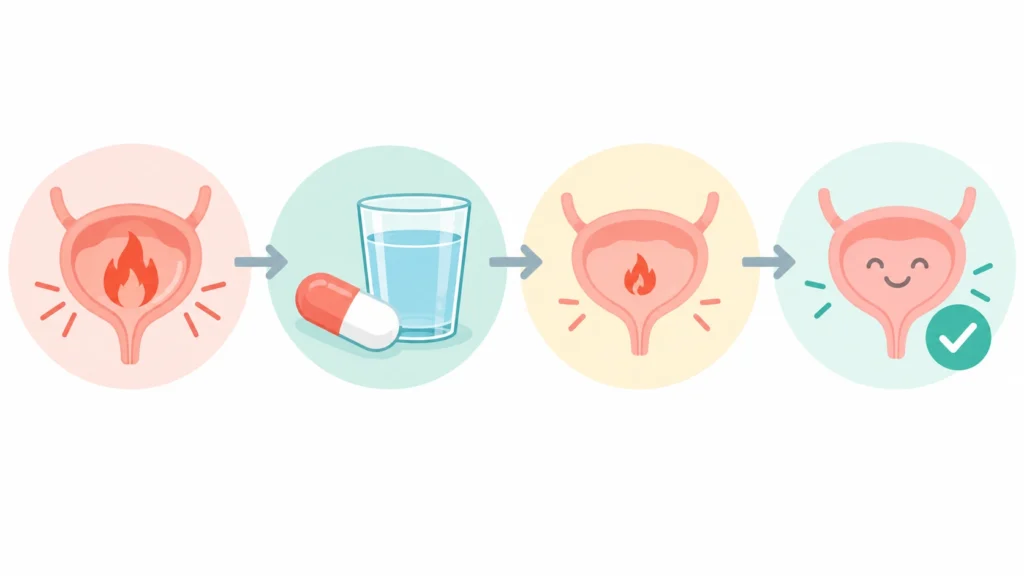
How to relieve UTI pain right now
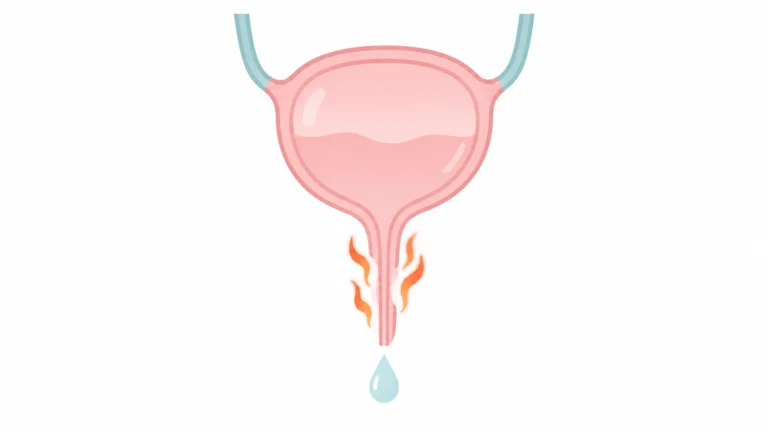
Why does a UTI hurt so much? Bacteria inflame the lining of the bladder and urethra, and every time urine passes over that raw lining, it stings. The inflamed bladder also sends constant “go now” signals, even when it’s nearly empty. That’s why you feel the urge every few minutes but only a little comes out.
What stops UTI pain fastest? These work best together:
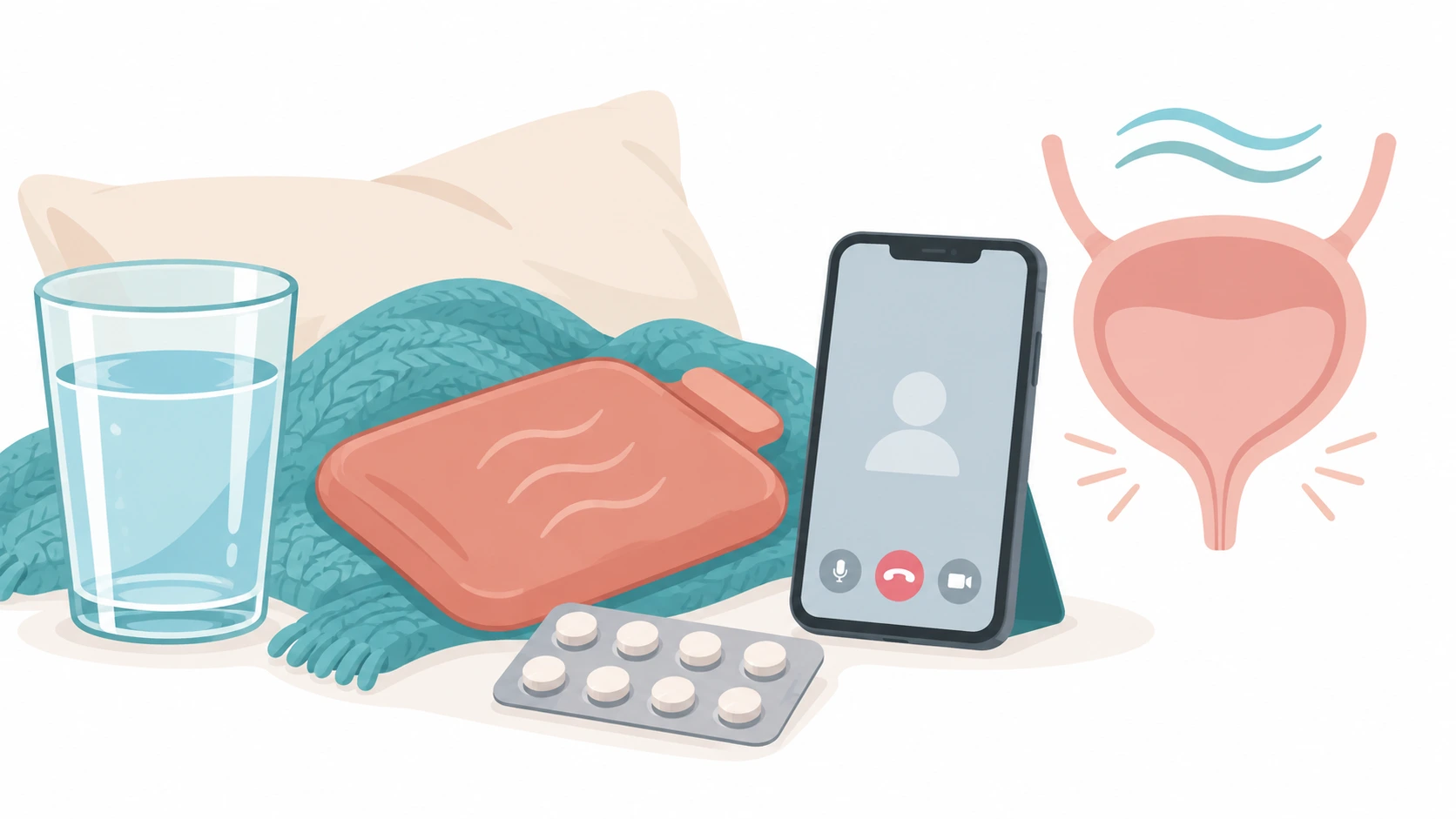
- Phenazopyridine (AZO, Pyridium). A urinary pain reliever that numbs the lining of the urinary tract. It eases burning, urgency and frequency. It’s the most direct relief for the sting.
- Ibuprofen or naproxen, for cramping, pelvic pain and back ache. Acetaminophen is an option if you can’t take NSAIDs. GoodRx notes these work for back or pelvic pain; follow the label dose.
- A warm heating pad on your lower belly, or a warm bath. Mayo Clinic suggests warm, not hot, to ease bladder pressure.
- Water, sipped steadily. Diluted urine stings less.
- Skipping bladder irritants such as coffee and alcohol until you’re better.
If your pain is severe, or it’s in your back or side with fever, chills or vomiting, pain relief isn’t enough. See the emergency signs below.
Getting through the night
Night is when UTI pain feels worst, because there’s nothing to distract you and the urge keeps waking you up. To make it easier:
- Time your doses. Take your evening phenazopyridine dose with dinner (the label says with or after meals) and an ibuprofen dose before bed, if you can take both.
- Drink more earlier in the evening, then just sips in the last hour, so you’re not woken up as often by a full bladder.
- Pee right before bed, and empty fully.
- Use a heating pad on low while you wind down, but Alberta Health advises never falling asleep with one in place.
- Keep a towel or pad nearby. Phenazopyridine turns urine reddish-orange and can stain sheets and underwear.
Should you just sit on the toilet? It won’t help. The urge comes from the inflamed bladder lining, not from a full bladder, so sitting and straining won’t push the infection out or bring more relief. Pee when you need to, then get comfortable with heat instead.
Over-the-counter UTI medicine
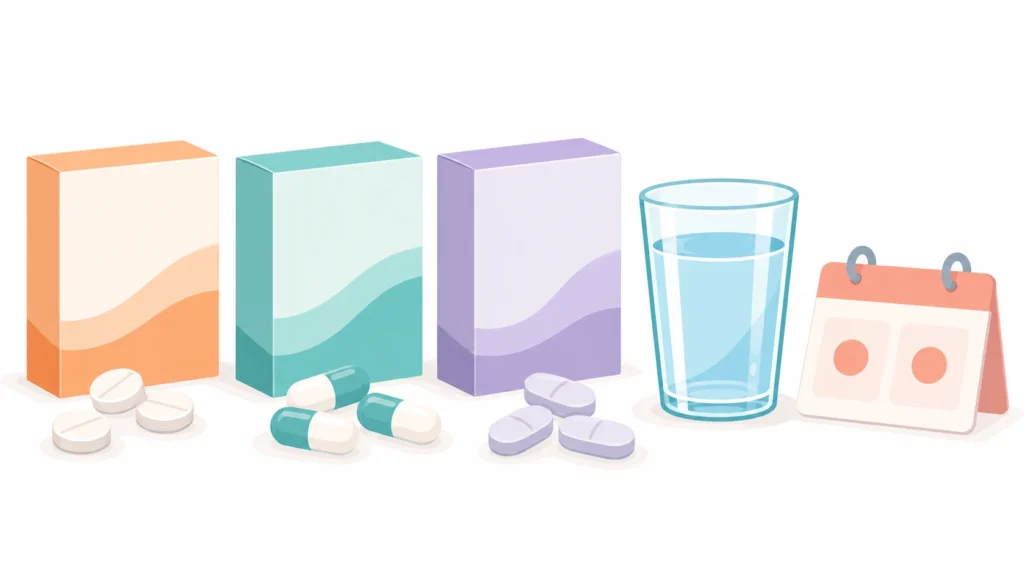
There are no over-the-counter antibiotics for UTIs in the US. The products you can buy without a prescription ease symptoms but don’t kill the infection, so think of them as a bridge to treatment, not a substitute.
| Product | What it does | Label limits | Who should avoid it or ask first |
|---|---|---|---|
| Phenazopyridine 99.5 mg (AZO Urinary Pain Relief Maximum Strength) | Numbs burning, urgency and frequency | 2 tablets 3 times a day with or after meals, with a full glass of water; no more than 2 days (12 tablets) | Kidney disease (ask first); G6PD deficiency unless a doctor approves; children under 12 |
| Methenamine 162 mg + sodium salicylate 162.5 mg (Cystex Plus) | A mild antibacterial plus an aspirin-family pain reliever | 2 tablets 3 times a day with a full glass of water; no more than 3 days | Aspirin or salicylate allergy; children and teens with or recovering from flu or chickenpox (Reye’s syndrome risk); ask first if you’re 60 or older, take blood thinners or other NSAIDs, or have ulcers, bleeding problems, kidney disease or high blood pressure |
| Ibuprofen or naproxen | Eases cramping, pelvic and back pain | Follow the label dose | Ulcers, kidney disease, blood thinners; ask first if pregnant |
| Acetaminophen | Eases pain and fever | Follow the label dose; watch for it in other products | Liver disease, heavy drinking |
A few things to know about phenazopyridine:
- It changes your urine test. The AZO label says it can interfere with lab tests, including urine, glucose (sugar) and ketone tests. Give your urine sample before your first dose, or tell the clinic you took it.
- It stains. Reddish-orange urine is expected and harmless, but the label warns it can stain clothing, and handling the tablets can stain soft contact lenses.
- Stop at 2 days. The label says to stop and ask a doctor if symptoms last more than 2 days. Longer use can hide a worsening infection.
Why isn’t AZO helping?
Phenazopyridine targets the sting of urine passing over an inflamed lining. It doesn’t do much for:
- Deep bladder pressure and cramping, where ibuprofen or naproxen and heat work better
- Back or side pain, fever or chills, which can mean a kidney infection that needs antibiotics today
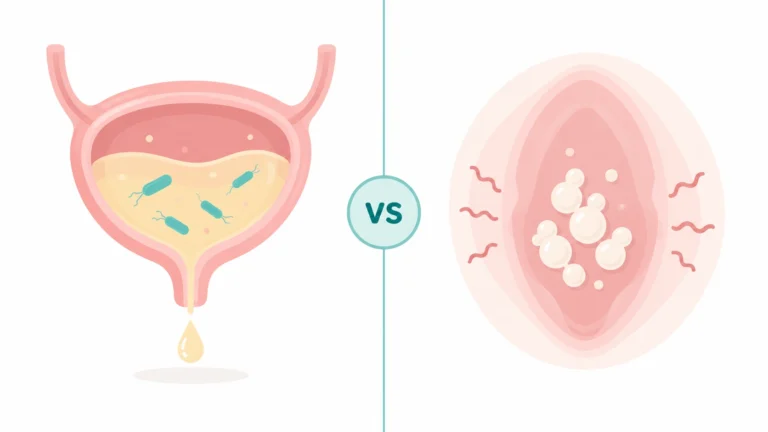
- Burning that isn’t from a UTI. STIs, yeast infections and irritated skin can all cause burning that AZO won’t fix. Our guides to UTI vs STD, UTI vs yeast infection and why it burns when you pee cover the lookalikes.
Check that you’re taking it as the label says, with or after food and a full glass of water. If it isn’t helping after a day, get seen rather than taking more.
Home remedies for a UTI: what helps and what doesn’t
Home care can make you a lot more comfortable. It can’t cure an infection that has already started. Cleveland Clinic says minor UTIs sometimes get better on their own, but most need antibiotics.
Water and peeing often
Will peeing a lot flush out a UTI? It helps, but not enough to rely on. Water dilutes urine, which eases the burning, and peeing often clears some bacteria out of the bladder. GoodRx notes there’s little research on flushing out a UTI with water alone. Yale New Haven Health says extra water may help head off a UTI that’s just starting, but once burning and frequency set in, you’ll most likely need antibiotics.
Aim for pale yellow urine. Mayo Clinic suggests at least about 1.5 liters (50 ounces) of fluids a day unless a doctor has told you to limit fluids. You don’t need to force huge amounts; drinking far more than you need adds to the urgency.
Water does have proof behind it for prevention. In a 2018 trial in JAMA Internal Medicine, women with repeat UTIs who drank about 1.5 liters more water a day had roughly half as many infections over a year.
Bladder irritants to skip
Until you’re better, cut back on drinks and foods that can make the bladder more irritable:
- Coffee, energy drinks and other caffeine
- Alcohol
- Carbonated drinks
- Citrus fruits and juices, and other acidic drinks
- Spicy foods
- Artificial sweeteners
You don’t need a special diet. Plain water, herbal tea and mild foods are enough.
Remedies that won’t cure a UTI
| Remedy | What the evidence shows |
|---|---|
| Cranberry juice or pills | May lower the chance of repeat UTIs in some women (Cochrane 2023), but doesn’t treat an infection that’s already there. Cleveland Clinic says store-bought cranberry juice doesn’t prevent UTIs |
| D-mannose | A 2024 trial of nearly 600 women found it didn’t prevent UTIs; no good evidence it treats one |
| Probiotics | Mixed results for prevention; they don’t treat an active infection |
| Vitamin C | Weak evidence for prevention; no proof it treats a UTI |
| Green tea | Lab studies show it can harm E. coli, but there’s no proof it cures a UTI (GoodRx) |
| Garlic, horseradish, herbal blends | Small or early studies only; guidelines don’t support using them instead of antibiotics |
| Apple cider vinegar | Still being studied; no proof it treats a UTI |
| Baking soda in water | Don’t. It makes urine less acidic, not more, and MedlinePlus warns large amounts can cause vomiting, seizures and heart rhythm problems |

Can you get rid of a UTI without antibiotics?
Sometimes, but you can’t count on it. In trials of women with simple bladder infections, about 26 in 100 who took a placebo felt better within a week, compared with about 60 in 100 who took antibiotics, according to InformedHealth.org, run by Germany’s Institute for Quality and Efficiency in Health Care. In a 2015 BMJ trial, women who started with ibuprofen instead of an antibiotic avoided antibiotics two-thirds of the time, but had more symptoms, and 5 got a kidney infection compared with 1 in the antibiotic group. Our guide to how long a UTI lasts without antibiotics shows the full timeline and the signs it’s clearing.
The NHS says a GP may sometimes suggest waiting 48 hours to see if symptoms settle. That’s a choice to make with a clinician, not alone. Don’t try to wait it out if you:
- Have fever, chills, back or side pain, nausea or vomiting
- Are pregnant
- Are a man
- Are caring for a child, or an older adult who is frail or confused
- Have diabetes, a weak immune system, a catheter or kidney problems
- See blood in your urine, or feel worse instead of better
Bacteria found on a urine test when you feel completely fine is a different situation, and usually doesn’t need treatment. Our guide to bacteria in urine explains when antibiotics can be skipped.
What not to do while you have a UTI
- Don’t take leftover or borrowed antibiotics. The wrong drug or dose can fail and breed resistance, and the CDC advises against saving or sharing antibiotics.
- Don’t stop antibiotics early because you feel better.
- Don’t take phenazopyridine for more than 2 days without seeing a doctor, or right before a urine test.
- Don’t hold your pee. Go when you feel the urge and empty your bladder fully.
- Don’t douche or use scented soaps, sprays or powders on the genital area.
- Don’t drink baking soda water or take large doses of supplements hoping to cure it.
- Don’t wait out fever, back pain or vomiting.
When UTI pain is an emergency
UTI pain that’s unbearable, or that moves to your back or side, can mean the infection has reached your kidneys. Go to urgent care or the ER the same day if you have:
- Fever, chills or shaking
- Pain in your back or side, under the ribs
- Nausea or vomiting, or you can’t keep antibiotics down
- Blood clots in your urine, or you can’t pee at all
- Symptoms that get worse after 2 days on an antibiotic
- Any UTI symptoms while pregnant, along with fever or back pain
What are the final stages of an untreated UTI? A bladder infection can spread to the kidneys and then the blood, causing sepsis. The CDC lists the signs of sepsis as clammy or sweaty skin, confusion, extreme pain, fever, shivering or feeling cold, a high heart rate or weak pulse, and shortness of breath. Sepsis is a medical emergency: call 911.
Severe pain without fever can also be a kidney stone, which causes waves of sharp pain from the back to the groin, often with blood in the urine. Our guide to blood in urine covers stones and other causes.
If UTIs keep coming back
Two or more UTIs in 6 months, or three in a year, counts as recurrent. That’s a reason to see your doctor or a urogynecologist for a prevention plan, not to keep fighting each one at home. Options include drinking more water, vaginal estrogen after menopause, a non-antibiotic medicine called methenamine, or a standby antibiotic you start yourself at the first sign of symptoms. Our UTI guide covers why UTIs keep coming back.
The bottom line
The fastest way to get rid of a UTI is to get an antibiotic today and take the first dose right away. Phenazopyridine, ibuprofen, a warm heating pad and water can take the edge off within hours, and most people feel much better 24 to 48 hours into treatment. Cranberry, D-mannose and other home remedies don’t cure an active UTI, and baking soda can be dangerous. Fever, chills, back pain, vomiting or pain that’s getting worse need care the same day.
Frequently asked questions
What causes 80% of UTIs?
E. coli, a bacterium that normally lives in the bowel, causes up to 80% of uncomplicated UTIs. It spreads from the skin around the anus to the urethra and travels up into the bladder.
Can I take a warm bath with a UTI?
Yes. A warm, plain bath can ease pelvic cramping and pressure. Skip bubble bath, bath bombs and scented oils, which can irritate the urethra, and pee after you get out.
Can I go to work with a UTI?
Yes, if you feel up to it. A UTI isn’t contagious, so you can’t pass it to coworkers. Keep water nearby, take bathroom breaks whenever you need them, and stay home if you have a fever.
Does sex make a UTI worse?
It can. Sex can push more bacteria toward the urethra and irritate tissue that’s already sore. It’s best to wait until you’ve finished treatment and your symptoms are gone.
Does cranberry juice make UTI pain worse?
It can for some people. Many cranberry drinks are acidic and full of sugar, which can irritate an inflamed bladder. If you drink it, choose unsweetened juice and keep water as your main drink.
Sources
- GoodRx. 7 Things You Can Do to Get Rid of a Urinary Tract Infection (UTI) Fast, 2026
- Yale New Haven Health. How To Get Rid of a UTI Fast, 2025
- Hey Jane. How to relieve UTI pain at home fast
- Cleveland Clinic. Urinary Tract Infections
- Nebraska Medicine. 9 home remedies for UTIs: How to get rid of bladder infections
- National Association for Continence. 12 UTI Home Remedies To Ease Symptoms
- Uqora. How to relieve UTI pain fast
- Mayo Clinic. Urinary tract infection (UTI): Diagnosis and treatment
- AZO Urinary Pain Relief Maximum Strength, Drug Facts label
- Cystex Plus, Drug Facts label
- InformedHealth.org (IQWiG). How effective are antibiotics in treating acute cystitis?
- Gágyor I, et al. Ibuprofen versus fosfomycin for uncomplicated urinary tract infection in women: randomised controlled trial. BMJ, 2015
- NHS. Urinary tract infections (UTIs)
- Hooton TM, et al. Effect of increased daily water intake in premenopausal women with recurrent urinary tract infections. JAMA Internal Medicine, 2018
- Williams G, et al. Cranberries for preventing urinary tract infections. Cochrane Database of Systematic Reviews, 2023
- NIHR Evidence. D-mannose does not prevent urinary tract infections, 2024
- MedlinePlus. Baking soda overdose
- Centers for Disease Control and Prevention. About Sepsis
- Centers for Disease Control and Prevention. Urinary Tract Infection Basics
- Alberta Health Services, MyHealth Alberta. Urinary Tract Infections (UTI) in Men: Care Instructions
- Jancel T, Dudas V. Management of uncomplicated urinary tract infections. Western Journal of Medicine, 2002
Disclaimer
This blog is for informational and educational purposes only, and does not intend to substitute any professional medical advice or consultation. For any health related concerns, please consult with your physician, or call 911.