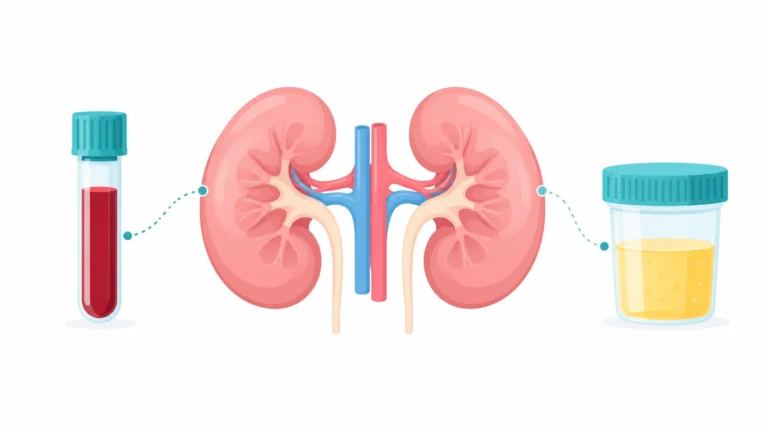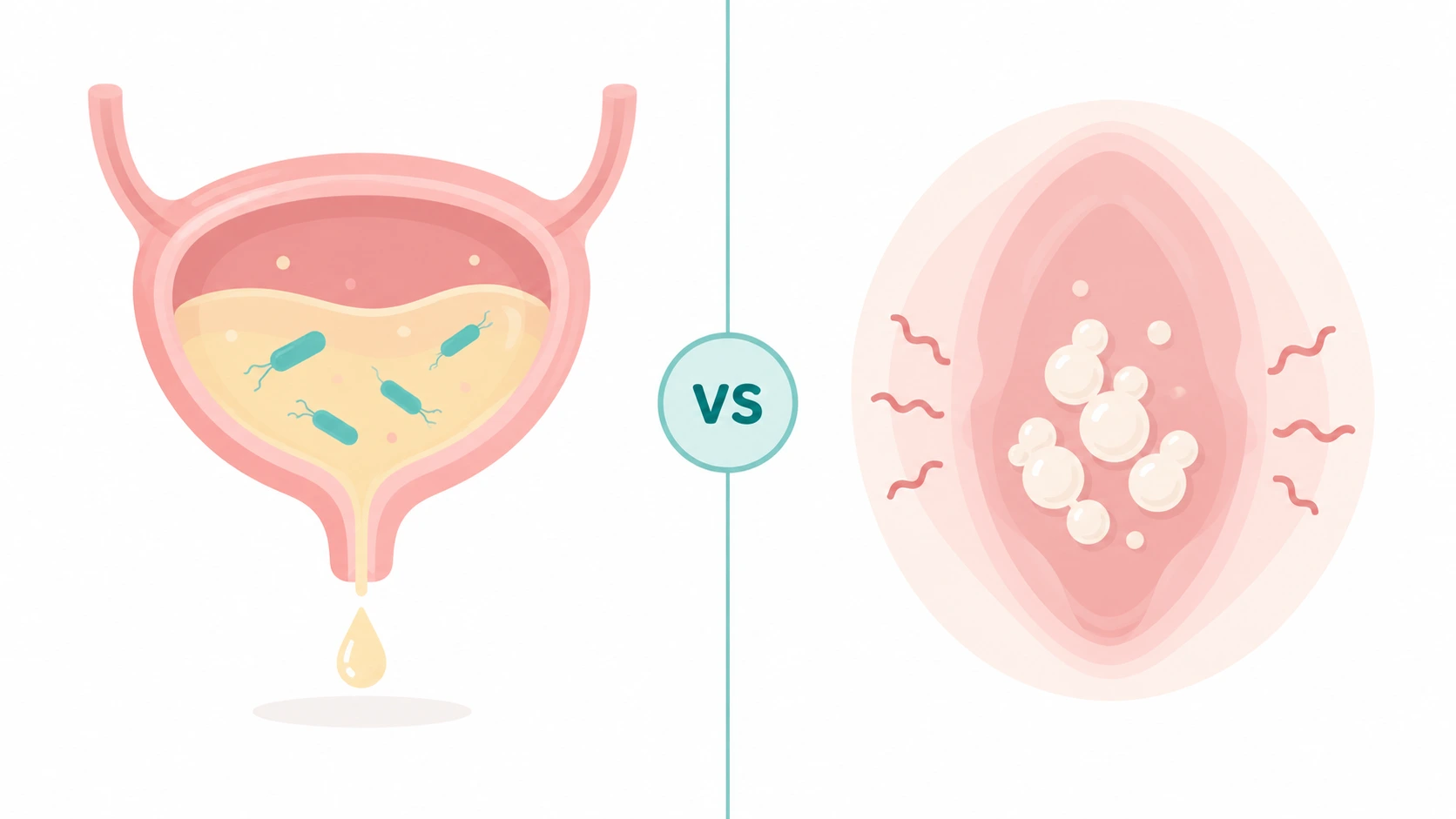
UTI vs Yeast Infection: How to Tell Which One You Have
A urinary tract infection (UTI) is a bacterial infection inside the bladder or urethra. It burns inside when you pee and makes you need to go often. A vaginal yeast infection is an overgrowth of Candida fungus in the vagina. It itches and feels sore on the outside and often causes thick white discharge. They need different medicines, and you can have both together.
- Cause: a UTI comes from bacteria, most often E. coli. A yeast infection comes from Candida fungus.
- Where: a UTI is in the urinary tract. A yeast infection is in the vagina and on the vulva.
- Main feeling: a UTI burns inside as urine passes. A yeast infection itches, and urine stings the irritated skin outside.
- Peeing: a UTI brings urgency and frequent trips with small amounts. A yeast infection doesn’t change how often you go.
- Discharge: a bladder infection doesn’t cause vaginal discharge. A yeast infection often causes thick, white, clumpy discharge.
- Medicine: a UTI needs antibiotics. A yeast infection needs an antifungal, and some antifungals are sold over the counter.
The overlap is real. Both can make peeing painful, both are common, and the antibiotics for one can set off the other. This guide shows you how to sort the two by symptoms, what the tests look like, how each is treated, and what to do when you can’t tell. For everything about UTIs on their own, see our full guide to UTI symptoms, causes and treatment.
UTI vs yeast infection at a glance
| UTI (bladder infection) | Vaginal yeast infection | |
|---|---|---|
| Cause | Bacteria, most often E. coli from the bowel | Overgrowth of Candida, a yeast that lives in the vagina |
| Where it is | Urethra and bladder; can spread to the kidneys | Vagina and vulva |
| Burning when you pee | Inside, as urine passes | Outside, when urine touches sore skin |
| Urge to pee | Strong, frequent, often only a little comes out | Normal |
| Itching | Not a typical symptom | The main symptom |
| Discharge | None from the bladder | Thick, white, clumpy; little or no smell |
| Urine | May look cloudy, smell strong or turn pink or red | Usually looks normal |
| Pain elsewhere | Pressure low in the belly, above the pubic bone | Soreness of the vulva; pain with sex |
| Linked to sex | Yes, sex is a common trigger | Not usually passed through sex (CDC) |
| Test | Urine test (urinalysis and urine culture) | Vaginal swab checked under a microscope |
| Medicine | Prescription antibiotics | Antifungal cream, suppository or pill |
| Warning signs | Fever, chills, back or side pain, vomiting | Sores, cracks in the skin, symptoms that keep coming back |
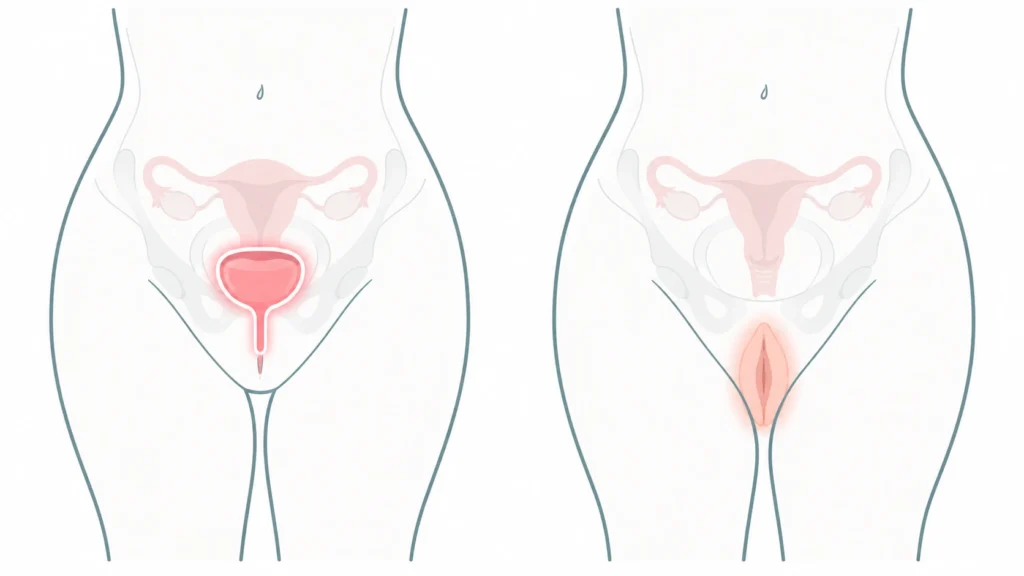
How to tell which one you have
Where the burning is
Ask yourself where it hurts when you pee. With a UTI, the inflamed urethra and bladder burn from the inside, and the feeling builds as the urine comes out. With a yeast infection, the skin around the vaginal opening is red and raw, so urine stings as it runs over it, a bit like lemon juice on a cut. The CDC calls this “external dysuria.”
Many other things can make peeing burn, from STIs to soaps to kidney stones. Our guide to why it burns when you pee goes through all of them.
What the symptom pattern says
Doctors have studied which symptoms predict a UTI. A review in JAMA pooled the research and found that:
- Burning when peeing, peeing often and blood in the urine each raise the odds of a UTI.
- A history of vaginal discharge or vaginal irritation lowers the odds. These point toward a vaginal cause such as yeast.
- Burning plus peeing often, with no discharge and no vaginal irritation, pushes the chance of a UTI above 90%. In the study that measured it, that combination was one of the strongest clues in all of the research.
- Women who had UTIs before and thought they had another one were usually right.
The reverse doesn’t hold for yeast. Itching and discharge come with several vaginal conditions, not only yeast, so they tell you it’s probably not a bladder problem without proving it’s yeast.
Clues in your recent history
- Sex in the last few days: points toward a UTI. Sex pushes bacteria toward the urethra. The CDC says a yeast infection isn’t usually passed through sex.
- Antibiotics in the last week or two: points toward yeast. This includes antibiotics for a UTI.
- New soap, wipes, pads or spermicide: can irritate the skin and mimic either one. Spermicide also raises the risk of a UTI.
- Pregnancy or diabetes: both raise the risk of each infection.
- A past episode that felt the same and was confirmed by a test: useful for UTIs, less so for yeast (see why below).
A quick way to sort your symptoms
- Probably a UTI: burning inside, urgency, peeing often, pressure above the pubic bone, cloudy or pink urine, no new discharge or itching.
- Probably a yeast infection: itching, soreness and redness outside, thick white discharge, stinging only when urine touches the skin, peeing as often as usual.
- Could be both: urgency and frequent peeing plus itching and white discharge, or itching that started a few days into UTI antibiotics.
- Could be neither: thin gray discharge with a fishy smell, yellow-green or frothy discharge, sores or blisters, a new partner, or symptoms that follow a new product. These point to bacterial vaginosis (BV), an STI or skin irritation.
If you land in the last two groups, or you’re not sure, a urine test and a vaginal swab will give you the answer in one visit.
UTI symptoms vs yeast infection symptoms
Signs of a UTI
The CDC lists these as the main bladder infection symptoms:
- Pain or burning while peeing
- Peeing often
- Feeling you need to pee even when your bladder is empty
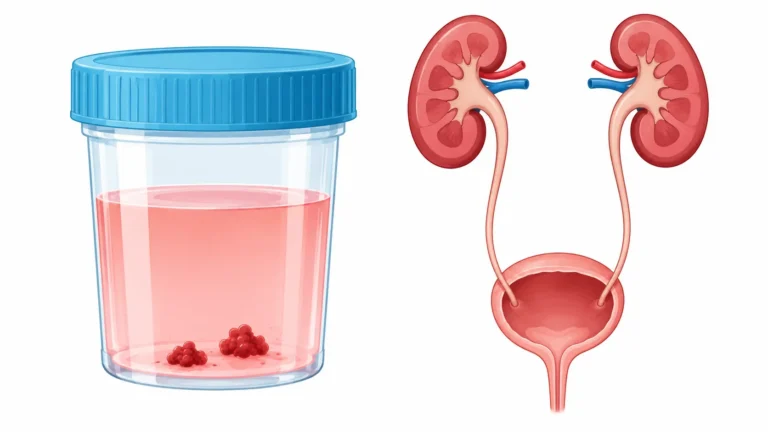
- Bloody urine
- Pressure or cramping in the groin or lower belly
Urine may also look cloudy or smell strong. Fever, chills, back or side pain, nausea or vomiting suggest the infection has reached the kidneys, which needs care the same day.
Signs of a yeast infection
The CDC lists itching, vaginal soreness, pain during sex and external burning when peeing as the typical symptoms. You may also notice:
- Redness and swelling of the vulva
- Thick, white discharge that looks like cottage cheese, though some women have barely any discharge
- Little or no odor
- Small cracks in irritated skin from scratching or friction
Sores or blisters are not part of a yeast infection and need to be checked.
Does a UTI itch or cause discharge?
Not as a rule. A bladder infection burns inside; it doesn’t itch on the outside, and it doesn’t produce vaginal discharge. When itching or discharge shows up with UTI symptoms, it usually means a second problem such as yeast or BV. We cover this in detail in does a UTI cause itching, including what different kinds of discharge mean.
Can a yeast infection change your urine?
A yeast infection lives in the vagina, not the bladder, so it doesn’t change the urine itself. But it can change what a urine sample looks like, and that causes confusion:
- Peeing more often: not a feature of a yeast infection, and it isn’t on the CDC symptom list. Urgency and frequent trips point to the bladder, so think UTI, or both.
- Cloudy urine: discharge can drip into the cup or toilet and make urine look cloudy or stringy. Our guide to mucus in urine explains what that looks like.
- Blood in urine: a yeast infection doesn’t make the bladder bleed. Raw skin can leave a trace of blood in a sample, but visible blood or a positive blood test needs a proper check. See can blood in urine go away on its own.
What causes each one
What causes a UTI
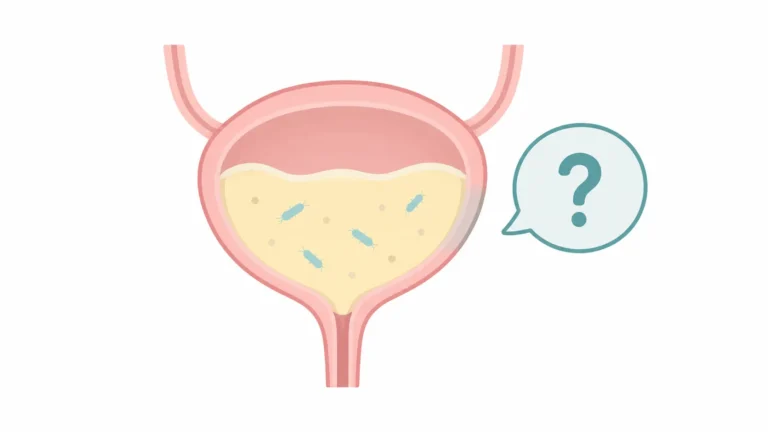
A UTI starts when bacteria from the bowel reach the urethra and climb into the bladder. E. coli causes most of them. Women get far more UTIs than men because the female urethra is short and sits close to the anus. The CDC estimates that 50% to 80% of women will have at least one UTI.
Common triggers include sex, spermicide and diaphragms, holding urine for a long time, not drinking much, a urinary catheter, pregnancy and the drop in estrogen after menopause.
What causes a yeast infection
Candida lives in the vagina of many healthy women without causing trouble. The protective bacteria of the vagina, mostly lactobacilli, keep it in check. When that balance tips, the yeast grows and inflames the tissue. Candida albicans causes most cases; other species, such as Candida glabrata, are less common and can resist the usual medicines.
About 75% of women will have at least one yeast infection, and 40% to 45% will have two or more, according to the CDC. Common triggers include antibiotics, pregnancy, high blood sugar, steroids or other drugs that weaken the immune system, and some hormonal birth control. Tight, damp clothing may help yeast grow.
| Risk factor | Raises UTI risk | Raises yeast risk |
|---|---|---|
| Diabetes or high blood sugar | Yes | Yes |
| Pregnancy | Yes | Yes |
| SGLT2 diabetes medicines | Yes (serious UTIs reported) | Yes |
| Sex | Yes | Not a usual cause |
| Antibiotics | No | Yes |
| Spermicide or diaphragm | Yes | Not a main cause |
| Weak immune system | Yes | Yes |
| Menopause without estrogen | Yes | Less common after menopause |
Can a yeast infection cause a UTI, or the other way around?
No. A yeast infection doesn’t turn into a UTI, and a UTI doesn’t turn into a yeast infection. One is a fungus in the vagina and the other is bacteria in the bladder, and neither organism changes into the other.
Yeast can infect the bladder in rare cases, but that’s a different condition, mostly seen in people with catheters, diabetes or a recent hospital stay. Our guide to yeast in urine explains when Candida in a urine sample matters.
The real link runs through the medicine.
How UTI antibiotics lead to a yeast infection
Antibiotics kill the bacteria causing the UTI, and they also kill the lactobacilli that keep Candida under control. With fewer guards, the yeast grows. In a trial published in the BMJ, 23% of women developed a yeast infection after a short course of antibiotics.
That same trial tested oral and vaginal lactobacillus probiotics to prevent it. Neither one helped. The CDC also says probiotics lack good evidence for yeast infections. Many websites still recommend them, but the research doesn’t back that up.
If you get a yeast infection after almost every antibiotic course, tell the doctor who prescribes your next one. Some will give an antifungal along with the antibiotic or tell you what to do if itching starts.
Can you have a UTI and a yeast infection together?
Yes. They’re separate infections in neighboring areas, so nothing stops both from happening together. The most common pattern is a UTI first, antibiotics next, and itching a few days later. Less often, the two start together, which can happen in pregnancy or with high blood sugar.
Signs you may have both: burning inside, urgency and frequent peeing, plus itching, soreness and white discharge outside. Treating only one leaves the other going, so it’s worth testing for both.
Why do I keep getting UTIs and yeast infections?
Doctors call it recurrent UTI when you have two infections in six months or three in a year. For yeast, the CDC uses three or more episodes in under a year. If you keep getting one or both, these are the usual reasons:
- The antibiotic cycle: every UTI treated with antibiotics is a new chance for yeast. More UTIs mean more yeast.
- Diabetes: high blood sugar feeds yeast and weakens defenses against bacteria. Ask about your A1C if you keep getting infections.
- SGLT2 inhibitor medicines: diabetes and heart drugs such as dapagliflozin (Farxiga), empagliflozin (Jardiance) and canagliflozin (Invokana) put sugar into the urine. The FDA label for dapagliflozin reports genital yeast infections in 6.9% to 8.4% of women on the drug compared with 1.5% on placebo, and warns of serious UTIs, including kidney infections. Don’t stop the medicine on your own, but tell your doctor about repeat infections.
- Spermicide: raises UTI risk; switching birth control can help.
- Menopause: lower estrogen makes UTIs more likely. The American Urological Association (AUA) recommends vaginal estrogen for women around and after menopause who keep getting UTIs.
- Treating yeast that isn’t yeast: if repeat “yeast infections” don’t clear, it may be BV, a resistant Candida species or a skin condition.
Recurrent yeast infections need a doctor’s visit and a lab check. The CDC recommends a longer first course and then weekly fluconazole for six months. For women who can no longer get pregnant, the FDA approved oteseconazole (Vivjoa) in 2022 to reduce repeat yeast infections. For recurrent UTIs, see the prevention section of our UTI guide.
Why guessing often goes wrong
Women know their bodies, but yeast infections are hard to diagnose at home. In a study of 95 women who were buying over-the-counter yeast products, only 34% had a yeast infection alone. Another 20% had yeast plus a second vaginal infection, and the rest had something else. Women who’d had yeast infections before were no better at guessing. The CDC agrees that self-diagnosis is unreliable.
UTIs are easier to call, since the symptom pattern is strong. But itching and discharge can sit on top of a UTI and muddy the picture.
What happens if you treat the wrong infection
- Antifungal for a UTI: the cream may soothe the skin, but it does nothing to bacteria in the bladder. The UTI keeps going and can climb to the kidneys.
- Antibiotics for a yeast infection: they don’t touch yeast, and by killing more protective bacteria they can make it worse.
- Antifungal for BV or an STI: the real infection goes untreated, and some STIs can cause lasting damage if they’re missed.
Read the label before an OTC yeast product
Over-the-counter antifungals such as miconazole (Monistat) and clotrimazole work well for a yeast infection. The Drug Facts label on miconazole sets clear limits:
- Don’t use it if you’ve never had a yeast infection diagnosed by a doctor.
- Ask a doctor first if this is your first vaginal itching, or if you have lower belly, back or shoulder pain, fever, chills, nausea, vomiting or foul-smelling discharge. Those can mean a more serious infection.
- Don’t use tampons, douches, spermicides or other vaginal products during treatment.
- Condoms and diaphragms may be damaged and fail.
- Stop and see a doctor if you aren’t better in 3 days.
Does Monistat help a UTI?
No. Monistat and other vaginal antifungals kill yeast, not bacteria, and they act in the vagina, not the bladder. They won’t clear a UTI or relieve the urge to pee. The cream can also cause burning or irritation at first, which some women mistake for a UTI getting worse. If you have urgency or frequent peeing, get a urine test.
How doctors test for a UTI vs a yeast infection
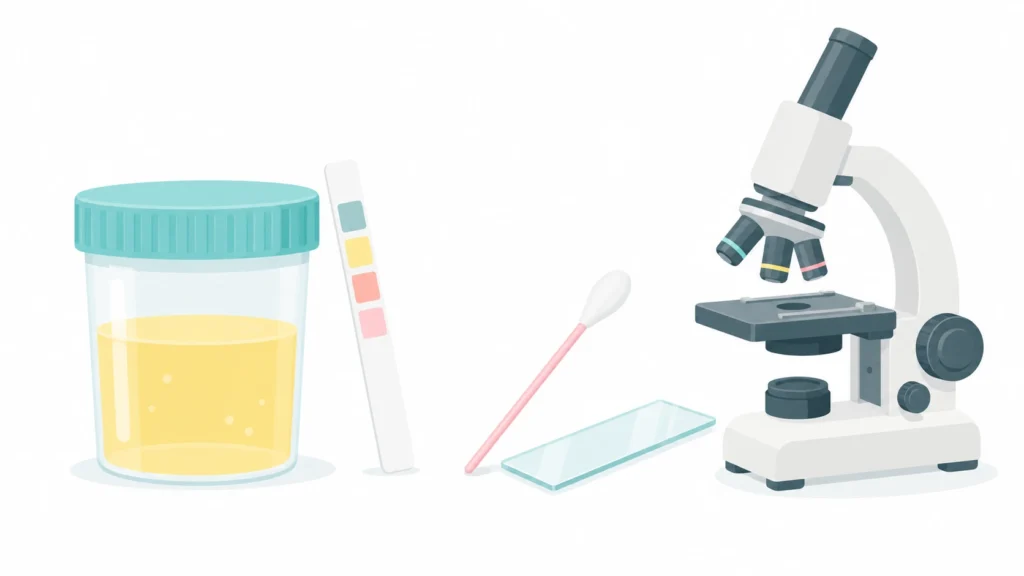
At an urgent care, a primary care office or an OB-GYN, testing for both usually happens in one visit and takes minutes for the first results.
Tests for a UTI
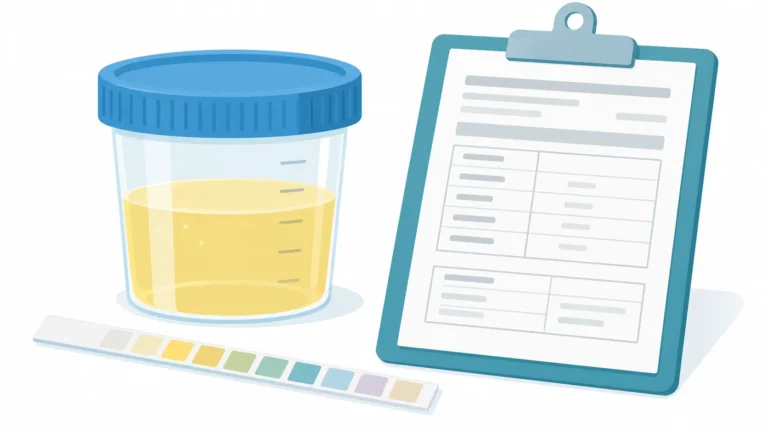
- Urinalysis: a dipstick and microscope check for white blood cells, nitrites, blood and bacteria. Our guides to leukocytes in urine and nitrites in urine explain those results, and our urinalysis guide covers the full report.
- Urine culture: the lab grows the bacteria to confirm the infection and find which antibiotics work. Results take one to three days. It’s used for recurrent UTIs, pregnancy, men and infections that don’t clear.
A clean-catch sample matters. Discharge in the cup can add white blood cells and yeast to the result and make a vaginal infection look like a UTI.
Tests for a yeast infection
According to the CDC, a clinician takes a swab of vaginal discharge and:
- Looks at it under a microscope with salt water and potassium hydroxide (KOH), which shows budding yeast or the thread-like forms Candida makes.
- Checks the vaginal pH. Yeast leaves the pH normal, below 4.5. A higher pH points toward BV or trichomoniasis.
- Sends it to grow in the lab if the microscope is negative but symptoms fit, or if infections keep coming back. This finds less common species such as C. glabrata.
Some clinics also run DNA-based swab tests that check for yeast, BV and trichomoniasis together. The CDC notes that most of these tests for yeast aren’t FDA cleared, so results depend on the lab.
What you can check at home
- Home UTI test strips check for nitrites and white blood cells. A positive result with UTI symptoms supports a UTI. A negative result doesn’t rule one out.
- Vaginal pH strips sold in pharmacies can’t confirm yeast, since yeast leaves the pH normal. A high reading suggests BV or trichomoniasis instead.
- A look at the vulva and discharge helps, but thick white discharge can occur with other conditions, and some yeast infections have little discharge at all.
Phenazopyridine (AZO), the over-the-counter urinary pain reliever, turns urine orange and can throw off strip colors, so test before you take it.
UTI vs yeast infection treatment
| UTI | Yeast infection | |
|---|---|---|
| Type of medicine | Antibiotic | Antifungal |
| Common choices | Nitrofurantoin, trimethoprim-sulfamethoxazole, fosfomycin, pivmecillinam | Miconazole, clotrimazole or tioconazole (OTC); terconazole or fluconazole 150 mg (prescription) |
| Prescription needed? | Yes, in the US | Not for creams and suppositories; yes for fluconazole and terconazole |
| Course | Single dose to 7 days for a bladder infection | Single dose to 7 days; longer for severe or repeat infections |
| When it usually eases | Burning often eases within 1 to 3 days | Itching often eases within a few days; give the full course |
| Symptom relief | Phenazopyridine for up to 2 days | Cool compresses; no scratching |
Treating a UTI
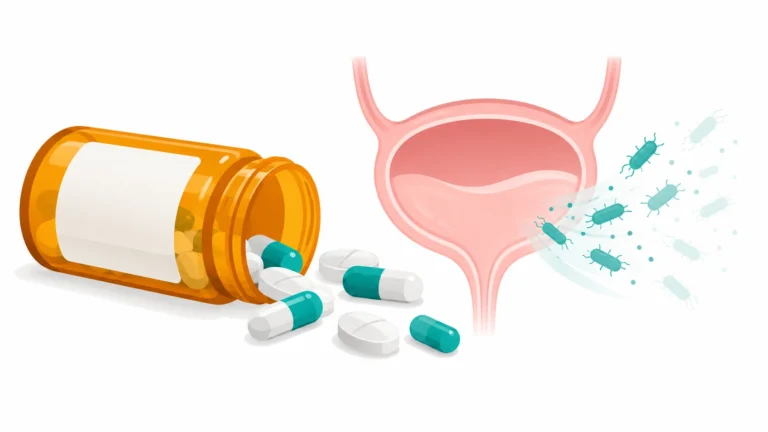
A bladder infection needs antibiotics from a clinician. The choice depends on your allergies, local resistance and whether you’re pregnant. Take the full course even after you feel better. Phenazopyridine eases burning for up to 2 days but doesn’t cure anything. Our UTI guide covers each antibiotic, how long it takes to work and what to do if symptoms don’t improve.
Treating a yeast infection
The CDC lists short courses of vaginal creams or suppositories, from one to seven days, and a single 150 mg fluconazole pill as the standard options for an uncomplicated yeast infection. Creams and pills work about equally well. Creams act on the itchy skin right away, while the pill is less messy.
The creams and suppositories are oil-based and can weaken latex condoms and diaphragms, so use another form of protection or wait until treatment is done.
Severe symptoms, repeat infections or a resistant species need a longer course. For C. glabrata that comes back, the CDC lists boric acid capsules placed in the vagina for three weeks. Boric acid is toxic if swallowed and should only be used with a doctor’s advice.
Treating both at once
If tests show both, you’ll get an antibiotic for the bladder and an antifungal for the vagina. Vaginal antifungals and UTI antibiotics can be used together. Fluconazole interacts with a number of medicines, so give your prescriber a full list of what you take before starting it.
Will a UTI or yeast infection go away on its own?
Sometimes, but it’s a gamble. In research summarized by IQWiG, Germany’s health information institute, about 26 in 100 women with a bladder infection were symptom-free after a week on a placebo, compared with 60 in 100 on antibiotics. Waiting also carries a small risk that the infection reaches the kidneys. Most doctors advise treating a UTI, and anyone pregnant, male, diabetic or with fever or back pain shouldn’t wait.
Mild yeast infections sometimes settle without medicine, but there’s no way to predict which ones will. The CDC advises coming back if symptoms persist after treatment or return within two months.
UTI vs BV vs yeast infection
Bacterial vaginosis is the third common cause of discomfort down there, and the one most often confused with yeast.
| UTI | Yeast infection | Bacterial vaginosis (BV) | |
|---|---|---|---|
| Cause | Bacteria in the bladder | Candida fungus in the vagina | Overgrowth of other bacteria in the vagina |
| Discharge | None from the bladder | Thick, white, clumpy | Thin, gray or white |
| Smell | Strong-smelling urine | Little or none | Fishy, often worse after sex |
| Itching | Not typical | Common, often intense | Sometimes mild |
| Burning when peeing | Inside | Outside, on sore skin | Sometimes |
| Vaginal pH | Not affected | Normal, below 4.5 | Above 4.5 |
| Treatment | Oral antibiotics | Antifungal | Antibiotics such as metronidazole, as pills or gel |
Could it be something else?
Several other conditions mimic a UTI, a yeast infection or both:
- STIs: chlamydia and gonorrhea can burn when you pee with a clean urine test, and trichomoniasis causes itching and a frothy yellow-green discharge. The CDC says about 70% of people with trichomoniasis have no symptoms. Our guide to UTI vs STD explains how to tell them apart.
- Irritation or allergy: scented soap, bubble bath, wipes, pads, lubricants and spermicide can cause itching and stinging.
- Vaginal dryness after menopause: causes burning, itching and pain with sex, and raises UTI risk.
- Genital herpes: tingling or itching, then painful blisters; peeing over the sores burns badly.
- Skin conditions: lichen sclerosus causes white, itchy patches, mostly after menopause.
Our article on what itching down there means covers each of these.
UTI vs yeast infection during pregnancy
Both infections are more common in pregnancy, and both need a clinician rather than self-treatment.
- UTI: a bladder infection in pregnancy is more likely to spread to the kidneys and is linked to preterm birth. Your doctor will choose an antibiotic that’s safe for the baby. Pregnant women are also screened with a urine culture for bacteria even without symptoms, as the US Preventive Services Task Force recommends.
- Yeast infection: the CDC recommends only vaginal antifungal creams or suppositories used for 7 days. It advises against the fluconazole pill in pregnancy because of possible links to miscarriage and birth defects.
Call your OB-GYN or midwife for any burning, urgency, itching or new discharge while pregnant.
UTI vs yeast infection in men
Men get both, but less often, and the clues are a little different.
- UTI in men: burning, urgency and frequent peeing, sometimes with cloudy urine or pain between the scrotum and anus. A UTI in a man is uncommon enough that doctors usually order a urine culture and look for a cause, such as an enlarged prostate. Treatment often lasts 7 days.
- Yeast in men (Candida balanitis): redness, itching and irritation on the head of the penis, sometimes with a white film. The CDC notes that some male partners of women with yeast infections develop it. It’s more common in men with diabetes or who aren’t circumcised, and it’s treated with an antifungal cream.
Discharge from the penis isn’t a sign of either one and should be checked for an STI.
How to prevent both
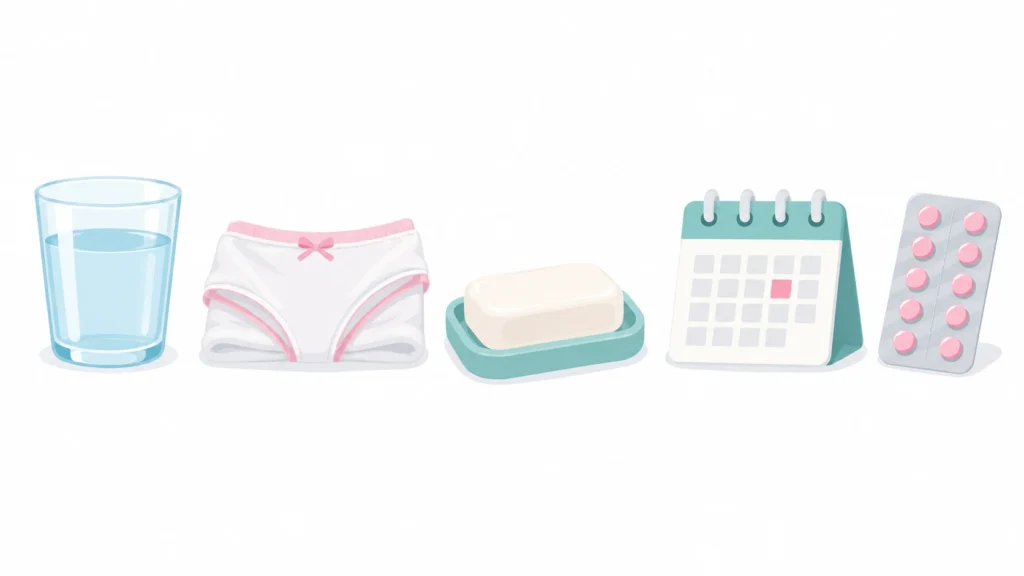
For both:
- Wash the vulva with plain water or a mild unscented cleanser. Skip douches, sprays and scented products.
- Wipe front to back.
- Wear breathable underwear and change out of wet swimsuits and sweaty clothes soon after.
- Keep blood sugar in range if you have diabetes.
For UTIs:
- Drink enough fluid to pee regularly. In a trial of women who drank little and got repeat UTIs, adding 1.5 liters of water a day cut infections roughly in half.
- Pee after sex and don’t hold urine for hours.
- Consider birth control without spermicide if you get repeat UTIs.
- After menopause, ask about vaginal estrogen.
For yeast infections:
- Take antibiotics only when you need them, and never use leftover pills for a suspected UTI.
- Tell your prescriber if antibiotics always lead to yeast.
- See a doctor for three or more yeast infections in a year rather than treating each one yourself.
When to see a doctor
See a provider if:
- You have burning, urgency or frequent peeing. A UTI needs a prescription.
- This is your first vaginal itching or the first time you’ve suspected a yeast infection
- You can’t tell which one you have, or think you have both
- An OTC yeast product hasn’t helped in 3 days, or symptoms come back within two months
- You get three or more yeast infections, or three or more UTIs, in a year
- Discharge is gray, yellow-green, frothy or fishy-smelling, or you have sores or blisters
- You’re pregnant, have diabetes or a weak immune system, or you’re a man with urinary symptoms
Get care the same day for fever, chills, back or side pain, nausea or vomiting. These can mean a kidney infection.
The bottom line
A UTI burns inside and makes you pee often; a yeast infection itches and stings outside and causes thick white discharge. Burning and frequent peeing with no discharge or itching is most likely a UTI, while itching with white discharge points to the vagina, though not always to yeast. The two often go together because UTI antibiotics can trigger yeast. When symptoms overlap, a urine test and a vaginal swab settle it, so you get the right medicine the first time.
Frequently asked questions
Can I get rid of a UTI without going to the doctor?
Not reliably. US pharmacies don’t sell UTI antibiotics without a prescription, and pain relievers like AZO only mask symptoms. A telehealth visit can confirm symptoms and send a prescription the same day.
What’s the fastest way to get rid of a UTI?
Start a prescribed antibiotic early. Fosfomycin is a single dose, and other options run three to seven days. Burning often eases within a day or two. Drinking water helps you pee but won’t clear the infection.
Will drinking water flush out a yeast infection?
No. Water passes through the kidneys and bladder and never reaches yeast growing in vaginal tissue. Staying hydrated is healthy, and it helps prevent UTIs, but only antifungal medicine clears a yeast infection.
What kills a yeast infection fast?
One prescription fluconazole tablet or a one-day vaginal product clears most uncomplicated infections, with relief starting within a few days. Creams soothe itching sooner because they act right on the irritated skin.
Is there a natural cure for a yeast infection?
No home remedy has strong proof. Yogurt, garlic, tea tree oil and apple cider vinegar can irritate tender skin. Boric acid works for some resistant infections but should only be used on a doctor’s advice.
How long does a yeast infection last without treatment?
It varies. A mild one may fade in several days, while others drag on for weeks or worsen. If itching lasts more than a few days, an antifungal is faster and confirms what you’re dealing with.
What should you avoid during a yeast infection?
Skip douching, scented soaps, bubble baths and tight, damp clothes. Avoid scratching. Don’t use tampons with vaginal creams, and use backup birth control, since oil-based creams can damage latex.
How often should you shower with a yeast infection?
Your usual routine is fine, once a day or after sweating. Rinse the vulva with warm water, skip soap on irritated skin, pat dry gently and put on clean cotton underwear afterward.
Can you have sex with a UTI or a yeast infection?
It’s best to wait until symptoms clear. Sex can worsen soreness, push more bacteria toward the urethra and pass yeast to a partner, who may develop an itchy rash.
Sources
- Centers for Disease Control and Prevention. Vulvovaginal Candidiasis, STI Treatment Guidelines, 2021
- Centers for Disease Control and Prevention. Urinary Tract Infection Basics
- Centers for Disease Control and Prevention. Bacterial Vaginosis, STI Treatment Guidelines, 2021
- Centers for Disease Control and Prevention. About Trichomoniasis
- Bent S, et al. Does this woman have an acute uncomplicated urinary tract infection? JAMA, 2002
- Ferris DG, et al. Over-the-counter antifungal drug misuse associated with patient-diagnosed vulvovaginal candidiasis. Obstetrics & Gynecology, 2002. Reviewed in American Family Physician
- Pirotta M, et al. Effect of lactobacillus in preventing post-antibiotic vulvovaginal candidiasis: a randomised controlled trial. BMJ, 2004
- InformedHealth.org (IQWiG). How effective are antibiotics in treating acute cystitis?
- Miconazole 7 vaginal cream, Drug Facts label
- Dapagliflozin prescribing information (warnings and adverse reactions)
- US Food and Drug Administration. Drug Trials Snapshots: VIVJOA (oteseconazole)
- Office on Women’s Health. Vaginal yeast infections
- American Urological Association. Recurrent Uncomplicated Urinary Tract Infections in Women: AUA/CUA/SUFU Guideline
- US Preventive Services Task Force. Asymptomatic Bacteriuria in Adults: Screening, 2019
- Hooton TM, et al. Effect of increased daily water intake in premenopausal women with recurrent urinary tract infections: a randomized clinical trial. JAMA Internal Medicine, 2018
Disclaimer
This blog is for informational and educational purposes only, and does not intend to substitute any professional medical advice or consultation. For any health related concerns, please consult with your physician, or call 911.