Can You Have a UTI Without Pain? Silent Signs and When Bacteria Don’t Need Treatment
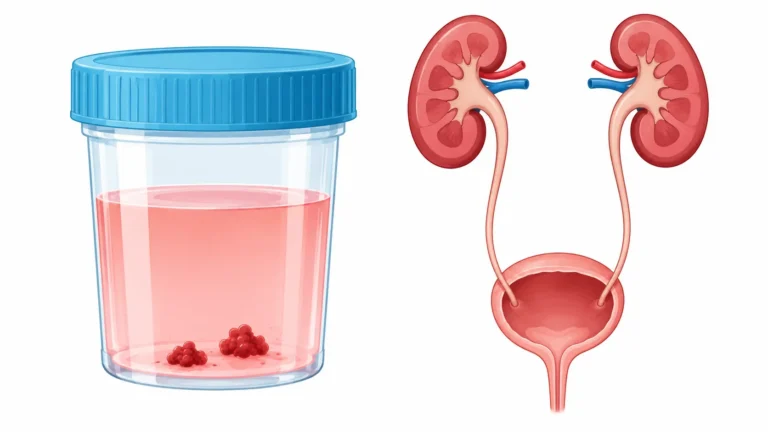
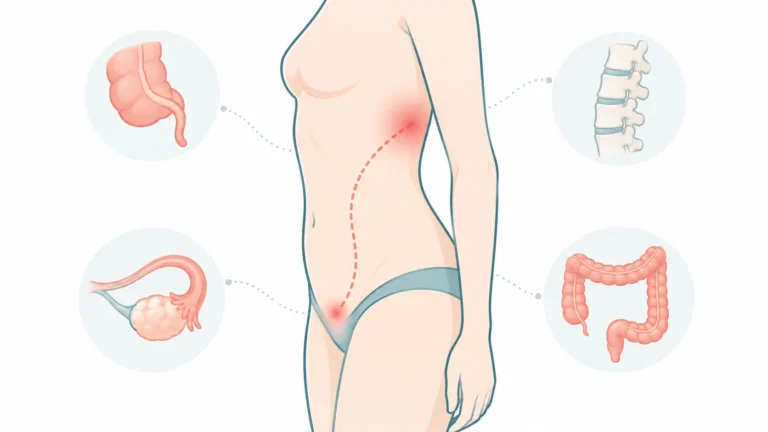
Yes. A urinary tract infection (UTI) can cause urgency, peeing often, pressure low in the belly, or cloudy, smelly or bloody urine without any burning. That’s still a UTI, and it usually needs treatment. Bacteria found in a urine test when you have no symptoms at all is something different, called asymptomatic bacteriuria, and most people with it don’t need antibiotics. The main exceptions are pregnancy and certain urologic procedures.
Burning is the symptom everyone knows, so it’s easy to miss a UTI that doesn’t hurt. It’s also easy to worry about a lab result that shows bacteria when you feel fine. This guide covers both: the quiet signs of a real infection, what to do when your test is positive but nothing is wrong, and how long a UTI can go unnoticed. For the full picture on UTIs, see our guide to UTI symptoms, causes and treatment.
Signs of a UTI that doesn’t hurt
The CDC lists five signs of a bladder infection. Burning is only one of them, and you don’t need all five:
- Pain or burning while peeing
- Peeing often
- Feeling you need to pee even when your bladder is empty
- Bloody urine
- Pressure or cramping in the groin or lower belly
A UTI without burning usually shows up as one or more of these instead:
| Painless sign | What you might notice |
|---|---|
| Urgency | A sudden need to go that’s hard to put off |
| Frequency | Going much more often than usual, often small amounts |
| Pressure | Heaviness or a dull ache above the pubic bone |
| Cloudy urine | Urine that looks milky or murky |
| Strong smell | A new, sharp or foul odor |
| Blood | Pink, red or brown urine, or blood found on a test |
| Leaking | New accidents or trouble holding urine |
| A “weird” feeling | Mild discomfort in the urethra, or a sense you haven’t emptied |
Any one of these alone can have other causes. A new combination, such as urgency plus cloudy urine, or frequency plus pressure, is more likely to be an infection. Blood in the urine without pain should always be checked, since infection is only one possible cause; see can blood in urine go away on its own.
Can frequent urination be the only sign?
Yes, but frequency alone can’t confirm a UTI. Drinking more, caffeine, pregnancy, diabetes, an overactive bladder and an enlarged prostate all make people pee more. New frequency that comes with urgency, pressure or a change in your urine is a reason for a urine test.
Kidney infection without burning
A kidney infection can show up with little or no bladder discomfort. The NIDDK lists five main symptoms:
- Fever and chills
- Cloudy, dark, bloody or foul-smelling urine
- Frequent or painful peeing
- Pain in the back, side or groin
- Nausea or vomiting
You don’t need all five. Fever with back or side pain, even without burning, needs care the same day.
Painless UTI vs asymptomatic bacteriuria
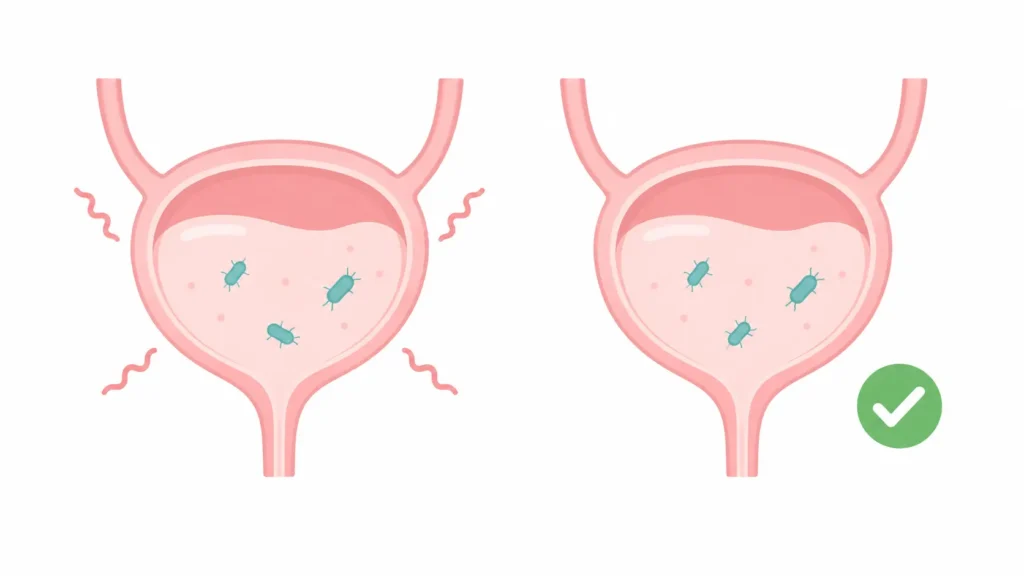
These two get mixed up all the time, and the difference decides whether you need antibiotics.
| Painless UTI | Asymptomatic bacteriuria | |
|---|---|---|
| Bacteria in urine | Yes | Yes |
| Burning | Absent or mild | Absent |
| Other urinary symptoms | Urgency, frequency, pressure, urine changes | None |
| Fever or back pain | Possible if the kidneys are involved | None |
| What it is | An infection | Bacteria living in the bladder without causing illness |
| Antibiotics | Usually yes | Usually no, except in pregnancy and before some urologic procedures |
A UTI is defined by symptoms. If you have any urinary symptoms, even without pain, it can be a UTI. If you feel completely normal and a test finds bacteria, that’s asymptomatic bacteriuria.
Asymptomatic bacteriuria: bacteria in your urine with no symptoms
Asymptomatic bacteriuria means a urine culture grows a large number of bacteria, at least 100,000 colony-forming units per milliliter, while you have no UTI symptoms. It’s common after menopause, in older adults and in people with catheters. The Infectious Diseases Society of America (IDSA) recommends looking for it and treating it only in pregnancy and before urologic procedures that cut or scrape the lining of the urinary tract. In everyone else, antibiotics bring no benefit and raise the risk of side effects and resistance. Our guide to bacteria in urine explains how to read the result, which bacteria it names and who needs treatment.
How common it is
According to the IDSA’s 2019 guideline:
| Group | People with bacteria in their urine and no symptoms |
|---|---|
| Healthy women before menopause | About 1% to 5% |
| Healthy women after menopause | About 2.8% to 8.6% |
| Pregnant women | About 2% to 7% |
| Girls | About 1% to 3% |
| Older adults in long-term care, people with catheters or spinal cord injury | Much higher |
The older you get and the more time you spend in a care home or with a catheter, the more likely bacteria are to be in your urine without causing harm.
When it’s treated and when it isn’t
The IDSA recommends screening for and treating asymptomatic bacteriuria in only two situations:
- Pregnancy. Women are screened early in pregnancy and treated for 4 to 7 days if bacteria are found. Untreated bacteria in pregnancy can lead to a kidney infection, and Cleveland Clinic notes a link to preterm birth and low birth weight. The US Preventive Services Task Force also recommends a screening urine culture in pregnancy.
- Before urologic procedures that cut or scrape the lining of the urinary tract, such as some prostate or bladder surgeries.
It recommends not screening for or treating it in:
- Healthy women who aren’t pregnant, before or after menopause
- Infants and children
- Older adults living at home or in long-term care
- People with diabetes
- People with a short-term or long-term urinary catheter
- People with spinal cord injuries
- Kidney transplant recipients more than one month after surgery, and other organ transplant recipients
- People having surgery that doesn’t involve the urinary tract
Why doctors don’t treat it
It sounds safer to kill any bacteria you find, but research hasn’t shown a benefit in these groups. The American Geriatrics Society’s patient site notes that antibiotics given to people without UTI symptoms bring no benefit and are linked to C. difficile, a serious diarrhea infection, and to drug resistance. Cleveland Clinic adds side effects to the list. Treating harmless bacteria can also make a later, real infection harder to treat.
My test shows bacteria but I feel fine: what to ask
If a routine test or a home strip comes back positive and you have no symptoms:
- Ask whether you need anything at all. For most healthy, non-pregnant adults, the answer is no.
- Ask what grew. One type of bacteria at a high count is different from several types at low counts, which often means the sample picked up skin bacteria. Our guide to mixed urogenital flora explains that result.
- Ask whether a clean-catch repeat sample makes sense, above all if the first one wasn’t collected carefully.
- Tell them if you’re pregnant or might be, or if you have a procedure coming up.
- Know what to watch for. If urgency, burning, fever or back pain start, call back.
Our guides to nitrites in urine and leukocytes in urine explain what those dipstick results do and don’t mean.
“Silent UTIs” in older adults
Older adults can have a UTI with little burning, and they’re also the group most likely to have harmless bacteria in their urine. That combination leads to a common mistake: an older person becomes confused or falls, a urine test finds bacteria, and the confusion gets blamed on a UTI.
The IDSA advises against that shortcut. When an older adult has bacteria in the urine plus confusion or a fall, but no urinary symptoms and no fever or other signs of infection, the guideline recommends looking for other causes and watching closely rather than starting antibiotics. Dehydration, new medicines, poor sleep, pain, constipation and other infections can all cause confusion. The American Geriatrics Society’s site puts it simply: confusion by itself doesn’t mean a UTI is present.
What does point to a UTI in an older adult: new burning, urgency, frequency, new leaking, pain over the bladder or in the back, or fever. If an older person is confused and has a fever or seems seriously ill, they need prompt medical care, because the IDSA says broad treatment is right when sepsis is possible and no other source is clear.
UTIs without pain in pregnancy, men and children
Pregnancy: bacteria in the urine with no symptoms is the one case where screening and treatment are routine, as covered above. Pregnancy also makes UTIs more common. Tell your OB-GYN about any new urgency, frequency or urine changes, even without pain. If you’re unsure whether urinary symptoms and a late period are linked, see can a UTI affect your period.
Men: a UTI is less common in men, and painless urinary changes such as a weak stream, frequency or urgency are often prostate-related. Any new urinary symptoms in a man deserve a check, and one positive urine culture is enough to confirm bacteriuria in men, per the IDSA. Fever with urinary symptoms can mean the prostate is infected.
Babies and young children: they can’t describe burning. The CDC says fever is the most common sign of a UTI in infants and toddlers, and the NIDDK notes that children under 2 with a kidney infection may only have a high fever, with feeding problems or poor weight gain. Call right away for a fever of 100.4°F (38°C) or higher in a baby under 3 months. Older children may have new accidents, belly pain or smelly urine.
Can a UTI make you tired, dizzy or sick?
A bladder infection on its own often makes people feel run down, and a kidney infection usually brings fever, chills, aches and nausea that leave you exhausted. Dizziness can come from fever, not drinking enough or, in severe infections, a drop in blood pressure.
What’s less certain is a UTI causing tiredness, dizziness or headache as the only sign, with no urinary symptoms and no fever. Those symptoms are common and have many other causes, so they’re not a reason to assume a UTI. If you feel unwell and also notice urinary changes, get tested. If you’re dizzy with a fever, back pain or confusion, get care the same day.
How long can you have a UTI without knowing it?
A bladder infection with symptoms usually makes itself known within a day or two, but mild urgency or a slight change in urine can be easy to brush off for several days. Some people only realize they had a UTI when it becomes painful or reaches the kidneys.
Asymptomatic bacteriuria is different: you can carry bacteria without ever knowing, sometimes for a day, sometimes longer, and in most people it never turns into an illness.
Will a UTI go away on its own?
Sometimes. A mild bladder infection can clear without antibiotics, but you can’t tell in advance whose will, and waiting means more days of symptoms and a small extra risk of a kidney infection. Anyone pregnant, male, diabetic, older or with a weak immune system shouldn’t wait. Our guide on whether a UTI can go away on its own covers what the studies show, the signs a UTI is easing and what happens if it’s left untreated.
How to check for a UTI when nothing hurts
- Notice the pattern. New urgency, frequency, pressure or urine changes that last more than a day are worth acting on.
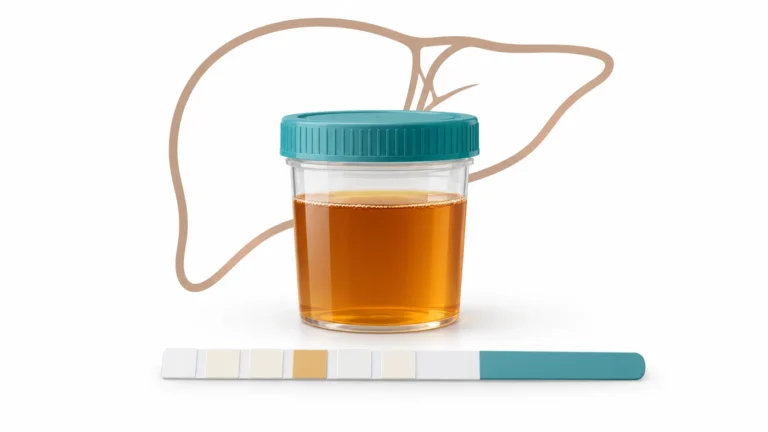
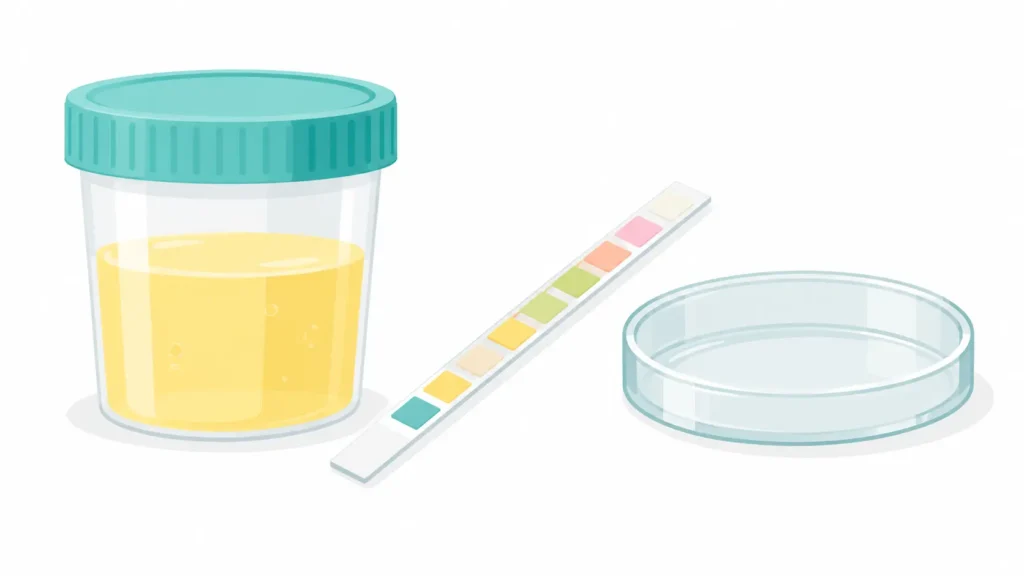
- Home test strips check for nitrites and white blood cells. A positive strip with symptoms supports a UTI. A negative strip doesn’t rule one out. A positive strip with no symptoms isn’t a reason for antibiotics.
- A urinalysis and urine culture at a clinic confirm an infection and show which antibiotic will work. Our urinalysis guide explains the report.
- Give a clean-catch sample: wash your hands, clean the area from front to back, let the first bit of urine go into the toilet, then catch the middle part.
- Don’t test if you feel fine, unless you’re pregnant or your doctor has asked you to.
UTI symptoms but the test is negative
If you have urgency, frequency or pressure but your urine culture keeps coming back clean, something else may be causing it:
- Sexually transmitted infections such as chlamydia, gonorrhea and trichomoniasis, which a UTI test doesn’t check for. See UTI vs STD.
- Overactive bladder, which causes urgency and frequency with normal tests.
- Bladder pain syndrome (interstitial cystitis), with pain as the bladder fills that eases after peeing.
- Pelvic floor muscle tension, which can feel like constant pressure or urgency.
- Vaginal dryness after menopause, which can cause urgency and discomfort.
- Kidney or bladder stones.
White blood cells with no bacteria can also point to these causes; see leukocytes in urine. Our guide to why it burns when you pee covers each of these in more detail.
How to lower your risk

- Drink enough to pee regularly. In a trial of women who drank little and got repeat UTIs, adding 1.5 liters of water a day cut infections roughly in half.
- Pee when you feel the urge and after sex.
- Wipe front to back.
- Avoid spermicide if you get repeat UTIs.
- After menopause, ask about vaginal estrogen.
- If you have a catheter, follow the care instructions closely.
- Don’t ask for antibiotics for bacteria without symptoms. It doesn’t prevent future infections in most people.
When to see a doctor
See a provider within a day or two if:
- You have new urgency, frequency, pressure or urine changes, even without pain
- You see blood in your urine
- You’re pregnant and notice any urinary change, or a test found bacteria
- You’re a man with new urinary symptoms
- An older relative has new urinary symptoms along with confusion
- Symptoms keep coming back
Get care the same day for fever, chills, back or side pain, nausea or vomiting, confusion with fever, or a fever in a baby or young child.
The bottom line
You can have a UTI without pain. Urgency, frequency, pressure, cloudy or smelly urine, or blood can all be signs of a real infection, and a UTI with those signs usually needs treatment. Bacteria found in urine when you feel completely well is asymptomatic bacteriuria, which most people never need antibiotics for, except during pregnancy and before some urologic procedures. In older adults, confusion alone isn’t proof of a UTI. When in doubt, look at the whole picture: symptoms first, test second.
Frequently asked questions
What causes most UTIs?
E. coli, a bacterium that normally lives in the bowel, causes most bladder infections. Klebsiella and a few other bacteria cause many of the rest. They reach the urethra from the skin around the anus.
What should you not do during a UTI?
Don’t hold your urine, take leftover antibiotics, or use AZO for more than two days. Avoid douches and scented products, cut back on alcohol and coffee if they irritate you, and finish the full course prescribed.
What is the hardest UTI to get rid of?
Infections with antibiotic-resistant bacteria, such as ESBL-producing E. coli, are the hardest to treat. UTIs linked to kidney stones, catheters or a prostate infection can also keep coming back until the cause is fixed.
Can a UTI cause back pain without other symptoms?
Rarely. A kidney infection with back pain usually brings fever, chills or nausea too. Back pain on its own is more often a muscle problem or a kidney stone, though a stone can still need a urine test.
Can a UTI make your urine smell without pain?
Yes, a UTI can change the smell of urine without burning. But odor alone is common after asparagus, coffee, some vitamins or not drinking enough, so it’s only a concern alongside other urinary changes.
Should I retest my urine after finishing antibiotics?
Not if you feel well. Testing after treatment often finds harmless bacteria and leads to more antibiotics you don’t need. Retesting makes sense if symptoms return, or during pregnancy when your provider asks.
Can cranberry juice clear a silent UTI?
No. Cranberry may help some women prevent repeat UTIs, but it doesn’t treat an infection that’s already there. A UTI with symptoms, painful or not, needs a urine test and usually antibiotics.
Sources
- Centers for Disease Control and Prevention. Urinary Tract Infection Basics
- Nicolle LE, et al. Clinical Practice Guideline for the Management of Asymptomatic Bacteriuria: 2019 Update by the Infectious Diseases Society of America
- Cleveland Clinic. Asymptomatic Bacteriuria
- HealthinAging.org (American Geriatrics Society). Ask the Expert: Urinary Tract Infections and Asymptomatic Bacteriuria
- National Institute of Diabetes and Digestive and Kidney Diseases. Symptoms and Causes of Kidney Infection (Pyelonephritis)
- Gágyor I, et al. Ibuprofen versus fosfomycin for uncomplicated urinary tract infection in women: randomised controlled trial. BMJ, 2015
- InformedHealth.org (IQWiG). How effective are antibiotics in treating acute cystitis?
- US Preventive Services Task Force. Asymptomatic Bacteriuria in Adults: Screening, 2019
- Hooton TM, et al. Effect of increased daily water intake in premenopausal women with recurrent urinary tract infections: a randomized clinical trial. JAMA Internal Medicine, 2018
- American Urological Association. Recurrent Uncomplicated Urinary Tract Infections in Women: AUA/CUA/SUFU Guideline
Disclaimer
This blog is for informational and educational purposes only, and does not intend to substitute any professional medical advice or consultation. For any health related concerns, please consult with your physician, or call 911.