Normal Urine pH: Range, What Your Number Means and When It Matters
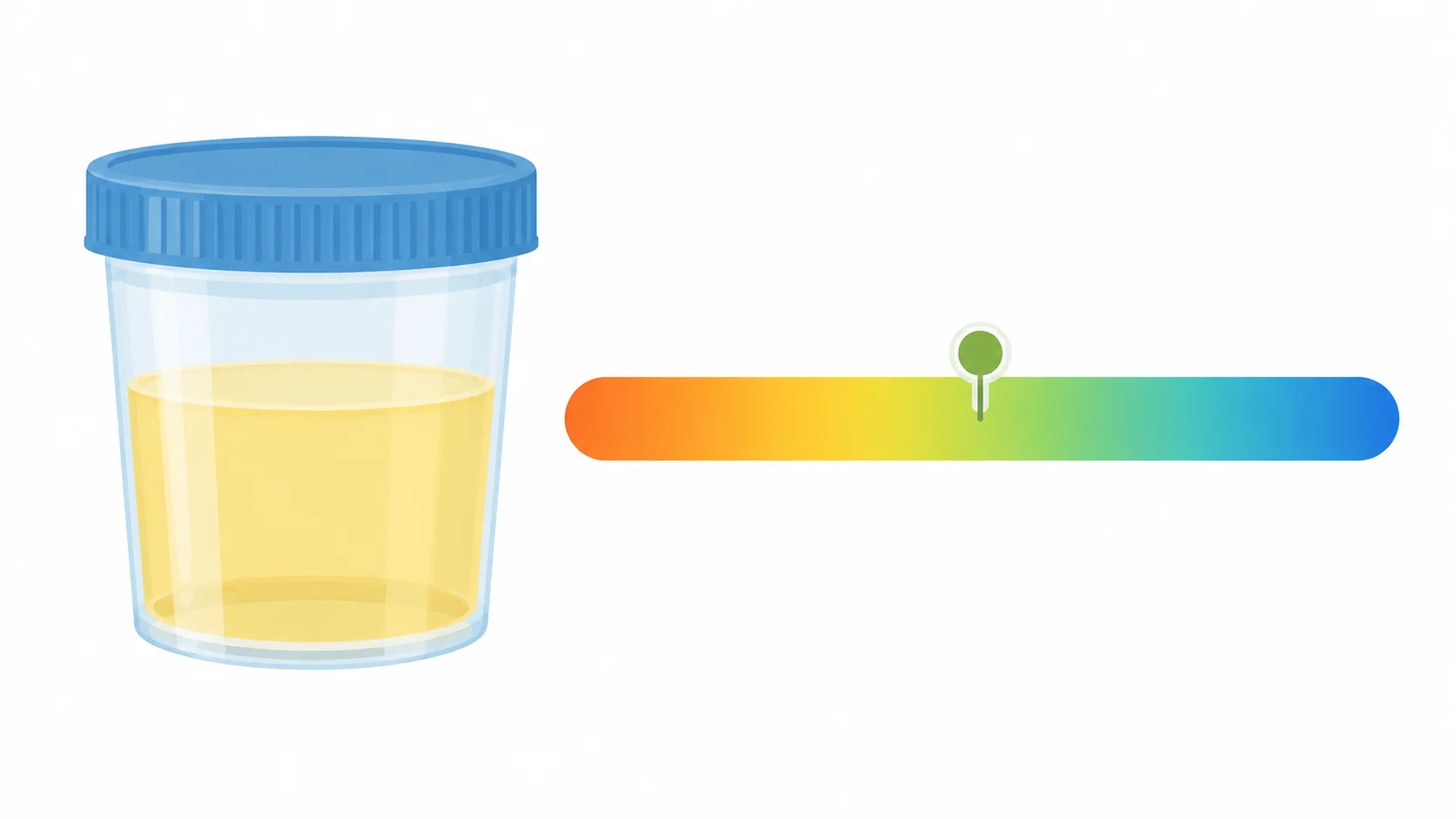
Normal urine pH ranges from about 4.5 to 8.0, and most people sit near 6.0, which is slightly acidic. Your number moves with what you eat and the time of day, so one result outside the middle of the range rarely means disease. It matters most for kidney stones, some infections and the kidneys’ control of acid.
Your urinalysis shows “pH: 5.0” or “pH, UA: 8.5,” and you want to know if that’s good or bad. Below is what each number means, what pushes urine more acidic or more alkaline, and when a doctor pays attention to it.
For the rest of your report, our guide to urinalysis results explained walks through every line.
What is a normal urine pH?
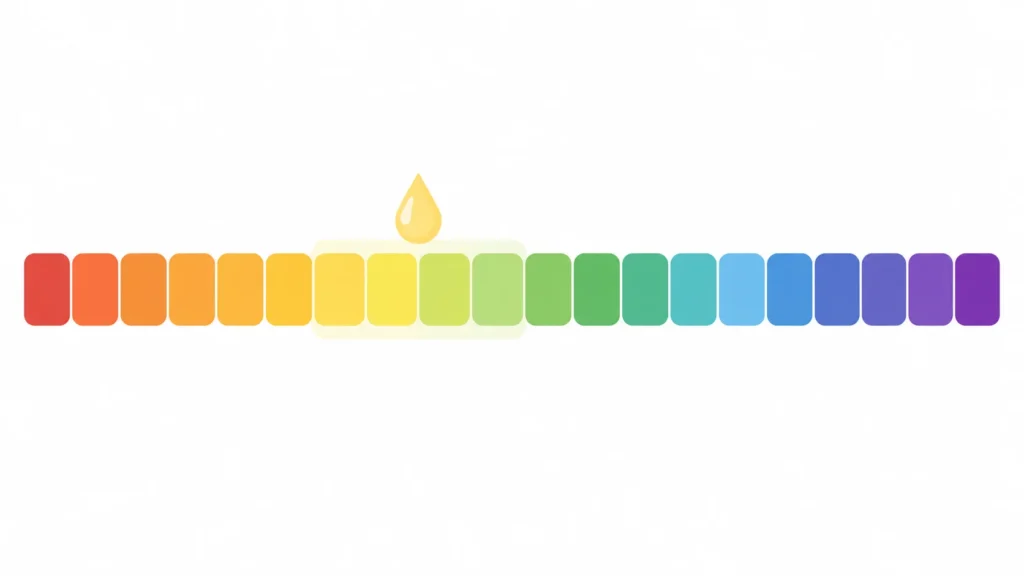
A normal urine pH is 4.5 to 8.0. MedlinePlus gives 4.6 to 8.0, and labs vary slightly, so the range printed on your report is the one that applies. The middle of the day-to-day range for most healthy adults is about 5.5 to 7.0, and the average 24-hour urine sits near 6.
pH measures how acidic or alkaline a liquid is on a scale of 0 to 14. A pH of 7 is neutral. Each step down is ten times more acidic, and each step up is ten times more alkaline.
Is urine acidic or alkaline?
Urine is usually slightly acidic. Your body makes acid every day from breaking down protein, and the kidneys get rid of it in urine. That is why a pH of 5.5 or 6.0 is the most common result. Urine can turn neutral or alkaline after meals, on a plant-heavy diet, or with certain medicines, and that is still normal.
Normal urine pH in women vs men
Women tend to have slightly higher (less acidic) urine pH than men, even on the same diet. In a 2018 study in the American Journal of Physiology, healthy women and men ate identical meals. After eating, the women’s urine pH averaged 6.74 and the men’s 6.07.
The researchers traced the gap to how the gut absorbs food. Women absorbed more of the natural alkali in food, such as citrate, and passed more of it into urine. The same study suggests this may be one reason calcium phosphate kidney stones, which form in less acidic urine, are more common in women.
Why urine pH changes during the day
Urine is most acidic first thing in the morning, after a night of fasting. After meals, the stomach makes acid to digest food, and the body balances that by sending extra bicarbonate into the blood and urine. This “alkaline tide” can push urine pH toward 7 or higher for a few hours.
A pH of 5.5 at 7 a.m. and 7.5 after lunch can both be normal for the same person. That’s why one reading tells you less than a pattern.
What your urine pH number means
Most urine pH results between 5.0 and 7.5 are normal and reflect what you ate and when you gave the sample. Numbers at either edge matter mainly when they keep showing up or come with symptoms.
| Your urine pH | What it usually means | Worth a follow-up? |
|---|---|---|
| 4.5 | Strongly acidic edge of normal; high-protein diet, fasting or acid-base problems | If it keeps happening or you feel unwell |
| 5.0 | Acidic and normal; common in first-morning urine and meat-heavy diets | Only with a history of uric acid stones or gout |
| 5.5 | Slightly acidic; one of the most common results | No |
| 6.0 | Slightly acidic; close to the average | No |
| 6.5 | Close to neutral; common after meals | No |
| 7.0 | Neutral; normal after meals or with a plant-heavy diet | No, unless you have UTI symptoms |
| 7.5 | Mildly alkaline; meals, fruit and vegetables or certain medicines | Only with UTI symptoms or stone history |
| 8.0 | Alkaline; diet or medicine, or a possible infection | Yes, if you have UTI symptoms or it repeats |
| 8.5 to 9 | Strongly alkaline; infection with certain bacteria, or a sample left standing | Yes; repeat on a fresh sample |
Is a urine pH of 5.0 or 5.5 normal?
Yes. Both are in the normal range. They’re typical of first-morning urine and of diets rich in meat, fish, eggs or cheese. They matter mainly for people who form uric acid stones, which grow in acidic urine.
Is a urine pH of 6.0 or 6.5 normal?
Yes. These are among the most common healthy results. Urine at 6.0 to 6.5 sits close to the middle of the range for most adults.
Is a urine pH of 7.0 or 7.5 normal?
Yes, for most people. Neutral or mildly alkaline urine is common after meals, with a diet high in fruit and vegetables, or with medicines such as potassium citrate. A 7.0 doesn’t mean you have a UTI.
What does a urine pH of 8.0 or 8.5 mean?
A pH of 8.0 or higher is at the alkaline edge. It can come from diet, antacids or alkalinizing medicines. It can also point to a urinary infection with bacteria that produce ammonia, or to a sample that sat out before testing. Doctors usually repeat it on a fresh sample, then look at the rest of the report and your symptoms.
How urine pH is measured
Urine pH is usually read from a dipstick pad during a routine urinalysis. Stone clinics often use a pH meter or a 24-hour urine collection instead, because the dipstick is only approximate.
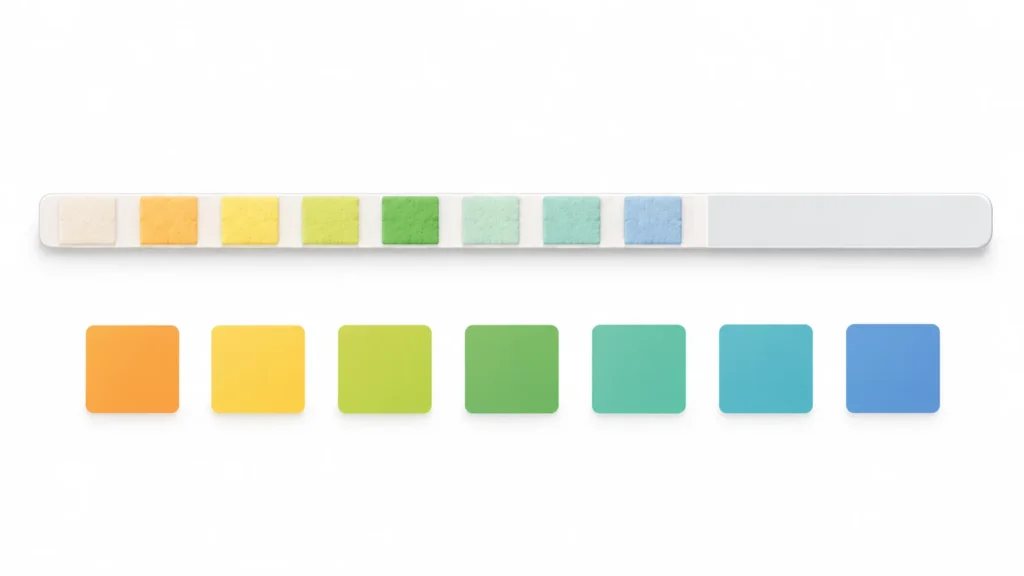
The pad on a standard strip uses two indicator dyes, methyl red and bromthymol blue. It turns from orange through yellow and green to blue as pH rises. The color chart on the bottle reads from 5.0 to 8.5 in half-step jumps, so a dipstick can’t report 6.2 or 7.8.
That rough scale has limits. In a 2013 study from a UK kidney stone clinic published in Urolithiasis, about 1 in 4 dipstick readings differed from a pH meter by more than half a unit. The strips tended to read high values too high and low values too low. Of 98 patients who needed medicine to adjust their urine pH, 14 would have been under-treated and 5 treated without need if doctors had relied on the dipstick.
How the sample is handled matters too:
- Test it fresh. At room temperature, bacteria grow in the sample and break down urea into ammonia, which pushes pH up. The strip should be read within an hour, or the sample refrigerated.
- Dip it briefly. Extra urine can run from the protein pad onto the pH pad and make the reading falsely low.
- Note the time. A first-morning sample will usually read more acidic than one taken after a meal.
What causes high (alkaline) urine pH?
High urine pH usually comes from food, the time of day or a medicine. Less often it comes from an infection or a problem with how the kidneys handle acid.
Diet and meals
Fruit, vegetables, beans and non-cheese dairy products raise urine pH, according to MedlinePlus. Vegetarians and vegans often have urine pH around 7. The after-meal alkaline tide adds to it.
Citrus is a good example of why “acidic-tasting” doesn’t mean acid-forming. Lemon and orange juice taste sour, but the body turns their citrate into bicarbonate, which makes urine more alkaline.
Urinary tract infections
Some bacteria make an enzyme called urease that splits urea into ammonia. Ammonia is alkaline, so urine pH can climb to 8 or higher, often with a strong ammonia smell. Proteus is the best-known example; Klebsiella and some others can do the same. These infections can also lead to struvite stones, covered below.
Medicines
MedlinePlus lists acetazolamide, ammonium chloride, methenamine mandelate, potassium citrate, sodium bicarbonate and thiazide diuretics as medicines that can affect urine pH. Potassium citrate, sodium bicarbonate, acetazolamide and antacids raise it. Don’t stop a prescribed medicine before a urine test unless your doctor tells you to.
Vomiting and other acid-base changes
Repeated vomiting and stomach suction in the hospital remove stomach acid, which leaves the body more alkaline. The kidneys respond by passing more alkali into urine. Breathing too fast for a long time, such as during a panic attack or at high altitude, can do the same.
Kidney problems: renal tubular acidosis and kidney disease
Renal tubular acidosis (RTA) is a group of kidney disorders in which the kidneys can’t pass acid into urine properly. Acid builds up in the blood, but the urine stays less acidic than it should. In the distal type, urine pH stays above about 5.5 even when the blood is too acidic, and that mismatch is the clue doctors look for. RTA raises the risk of kidney stones and weak bones.
Kidney failure can also raise urine pH, because damaged kidneys make less ammonia to carry acid out. No single urine pH number diagnoses kidney disease; it’s read with blood tests such as creatinine and bicarbonate.
What causes low (acidic) urine pH?
Low urine pH usually means you ate a lot of protein or gave a first-morning sample. Less often it means the body is making or holding extra acid.
High-protein diet and fasting
Meat, fish, eggs and cheese lower urine pH, because breaking down their protein produces acid the kidneys must clear. An overnight fast does the same, which is why morning urine is the most acidic of the day.
Diabetic ketoacidosis, starvation and diarrhea
When the body runs out of usable sugar, it burns fat and makes ketones, which are acids. This happens in diabetic ketoacidosis (DKA), a medical emergency, and to a smaller degree with starvation or eating far too little. Severe diarrhea removes bicarbonate from the gut, which also makes the body and urine more acidic. Lung disease that traps carbon dioxide can lower urine pH too.
Gout and uric acid
People with gout and people who form uric acid stones often have urine that stays acidic all day. Uric acid dissolves poorly in acidic urine, so it can crystallize into stones. This is one of the few cases where a doctor may actively try to raise urine pH.
Urine pH and UTIs
Urine pH can hint at the type of infection, but it can’t diagnose a UTI. Most bladder infections are caused by E. coli, which doesn’t make urease, so the pH in a typical UTI is unremarkable. A normal pH does not rule out an infection.
A pH of 8 or more with UTI symptoms raises the chance that a urease-making germ such as Proteus is involved. That matters because these germs can form struvite stones. Doctors confirm any infection with other dipstick results and a urine culture; our guides to leukocytes in urine and nitrites in urine explain those lines.
Is there a “best” urine pH to avoid UTIs? No target pH has been shown to prevent infections in everyday life. Acidic urine does matter for one UTI-prevention medicine. Methenamine works by releasing formaldehyde in the bladder, and it works best when urine pH is 5.5 or lower, according to its drug monograph. People taking it are told to limit alkalinizing foods and medicines.
Urine pH and kidney stones
Urine pH is one of the main factors that decide which type of kidney stone can form. Some stones grow in acidic urine and others in alkaline urine, so the right target depends on the stone you have.
| Stone type | Forms in | What doctors do about pH |
|---|---|---|
| Uric acid | Acidic urine (around 5.5 or lower) | Raise pH with potassium citrate (AUA) |
| Cystine (inherited) | Acidic to neutral urine | Raise pH with potassium citrate (AUA), plus other drugs if needed |
| Calcium oxalate (most common) | A wide pH range | pH is a smaller factor; potassium citrate if urine citrate is low (AUA) |
| Calcium phosphate | Alkaline urine (above about 6.5) | Avoid pushing pH too high; more common in women |
| Struvite (infection stones) | Alkaline urine, often 8 or higher | Remove the stone and clear the urease-producing infection |
The 2018 study above explains why pH near 6 is a sweet spot: below it, uric acid dissolves poorly; above it, calcium phosphate does. The American Urological Association (AUA) advises potassium citrate to raise urine pH for uric acid and cystine stones, and doesn’t recommend allopurinol as the first choice for uric acid stones.
If you’ve had a stone, the stone analysis tells your doctor which direction to move your pH. Changing it on your own can make the wrong type of stone more likely.
Urine pH vs vaginal pH
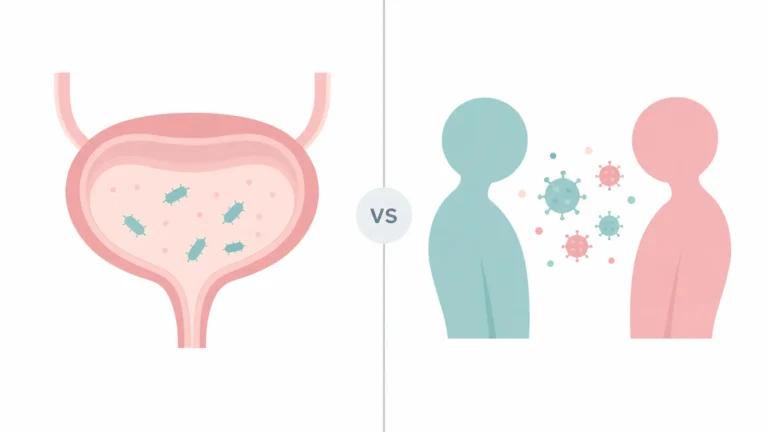
Urine pH and vaginal pH are different tests that measure different fluids. Urine pH can’t tell you whether you have a yeast infection or bacterial vaginosis.
Vaginal pH is measured with a swab during a pelvic exam or with a home vaginal pH kit. A normal vaginal pH is below 4.5, and the CDC notes that yeast infections keep it in that normal range. A vaginal pH above 4.5 is one of the signs doctors use for bacterial vaginosis. So a urine pH of 5.0 is simply a normal urine result, not a sign of yeast. If you have itching or discharge, our guide to yeast in urine explains how the two get mixed up.
How to change your urine pH
Most people never need to change their urine pH. Doctors adjust it on purpose mainly for kidney stones, a few medicines and some kidney disorders, and they usually check the result with a meter or 24-hour urine.
Will drinking more water lower urine pH?
Not much. Water dilutes urine, so it holds less of everything, but it doesn’t change acidity in a meaningful way. Drinking enough fluid still matters for stone prevention, because dilute urine makes crystals less likely to form whatever the pH.
Foods and drinks that raise or lower urine pH
| Raises urine pH (more alkaline) | Lowers urine pH (more acidic) |
|---|---|
| Most fruits, including citrus | Red meat and poultry |
| Most vegetables, above all leafy greens | Fish and seafood |
| Beans and lentils | Eggs |
| Milk | Cheese |
| Lemon or orange juice | High-protein shakes |
Cranberry juice is often called an acidifier, but its effect on urine pH is small. Its possible benefit for repeat UTIs is credited to compounds that make it harder for bacteria to stick to the bladder wall.
Does an alkaline diet change your body’s pH?
No. Food changes your urine pH within hours, because urine is how the body gets rid of the extra acid or alkali. Your blood pH stays in a narrow range no matter what you eat, controlled by your lungs and kidneys. A high urine pH after a salad shows your kidneys doing their job, not an “alkaline body.”
When to see a doctor about urine pH
See your doctor if your urine pH is repeatedly 8 or higher, if you’ve had kidney stones, or if an abnormal pH comes with burning, frequent peeing, cloudy or strong-smelling urine, or pain in your back or side. A single result between 5.0 and 7.5 without symptoms needs no action.
Get care the same day if you have diabetes and notice heavy thirst, frequent urination, nausea, vomiting or fruity-smelling breath, or if you have fever with back or side pain.
Call 911 or go to the nearest emergency room if you feel confused, are breathing fast and deep, can’t keep fluids down, or are hard to wake, above all if you have diabetes.
Frequently asked questions
What is an unsafe pH level?
Urine pH itself isn’t dangerous. The level that matters is blood pH, which normally stays between 7.35 and 7.45. Blood pH outside that range is a medical emergency treated in a hospital.
Does a keto or low-carb diet lower urine pH?
It can. Ketosis makes urine more acidic, and strict low-carb diets have been linked to uric acid stones in some people. Anyone with a past stone should ask a doctor before starting one.
Is it safe to take baking soda to raise urine pH?
Not without a doctor’s advice. Baking soda adds a lot of sodium and can tip the body into alkalosis. When urine pH needs raising, doctors usually prescribe potassium citrate and check the dose.
Does vitamin C make urine more acidic?
High doses can lower urine pH slightly. Large amounts of vitamin C in urine can also interfere with other dipstick pads, such as blood and glucose, so mention supplements before a urine test.
Does exercise change urine pH?
Hard exercise produces lactic acid, so urine can turn more acidic for a few hours afterward. Wait until the next day for a routine test if you want a typical reading.
Sources
- MedlinePlus. Urine pH test
- Worcester EM, et al. Mechanism for higher urine pH in normal women compared with men. American Journal of Physiology Renal Physiology, 2018
- Kwong T, et al. Accuracy of urine pH testing in a regional metabolic renal clinic: is the dipstick accurate enough? Urolithiasis, 2013
- American Urological Association. Medical Management of Kidney Stones guideline
- Siemens Multistix 10 SG. pH in Urine, laboratory procedure
- Centers for Disease Control and Prevention. Vulvovaginal Candidiasis, STI Treatment Guidelines
- Centers for Disease Control and Prevention. Bacterial Vaginosis, STI Treatment Guidelines
- Drugs.com (AHFS). Methenamine monograph
Disclaimer
This blog is for informational and educational purposes only, and does not intend to substitute any professional medical advice or consultation. For any health related concerns, please consult with your physician, or call 911.