Blood in Urine (Hematuria): Causes, What the Color Means and When to Worry
Blood in urine, called hematuria, means red blood cells are getting into your pee from somewhere between the kidneys and the tip of the urethra. The most common causes are urinary tract infections, kidney or bladder stones, an enlarged prostate and hard exercise. Most cases aren’t cancer, but blood you can see always needs a urine test. Go to the ER if you can’t pee, pass large clots, or have fever with back pain.
Seeing pink or red in the toilet is scary, and a lab report that says “blood” can be just as unsettling. This guide explains the two types of hematuria, what different colors and symptoms point to, who is more likely to have a serious cause, and what your doctor will check. Where a topic needs more space, we link to a detailed guide.
What is blood in urine (hematuria)?
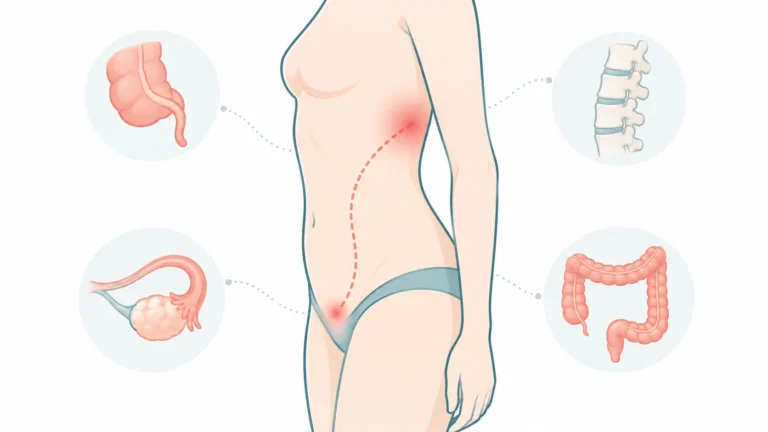
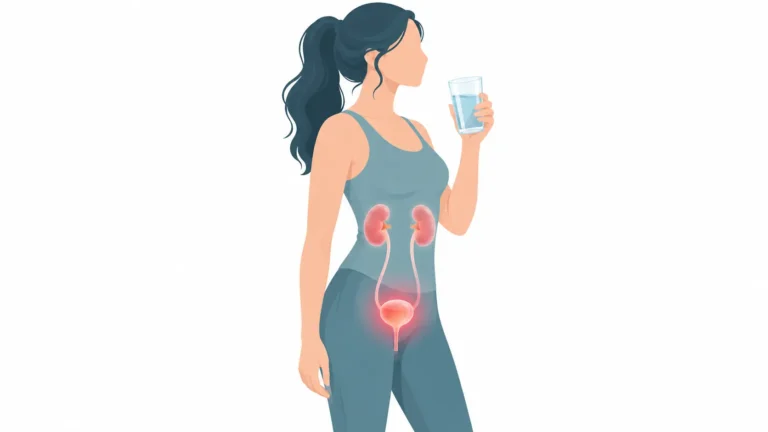
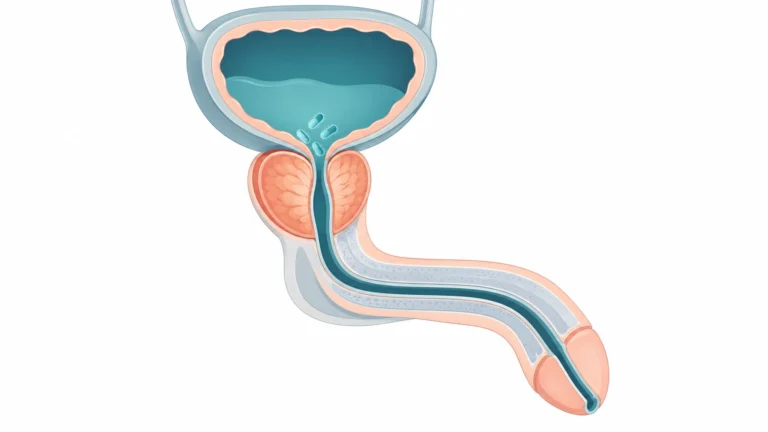
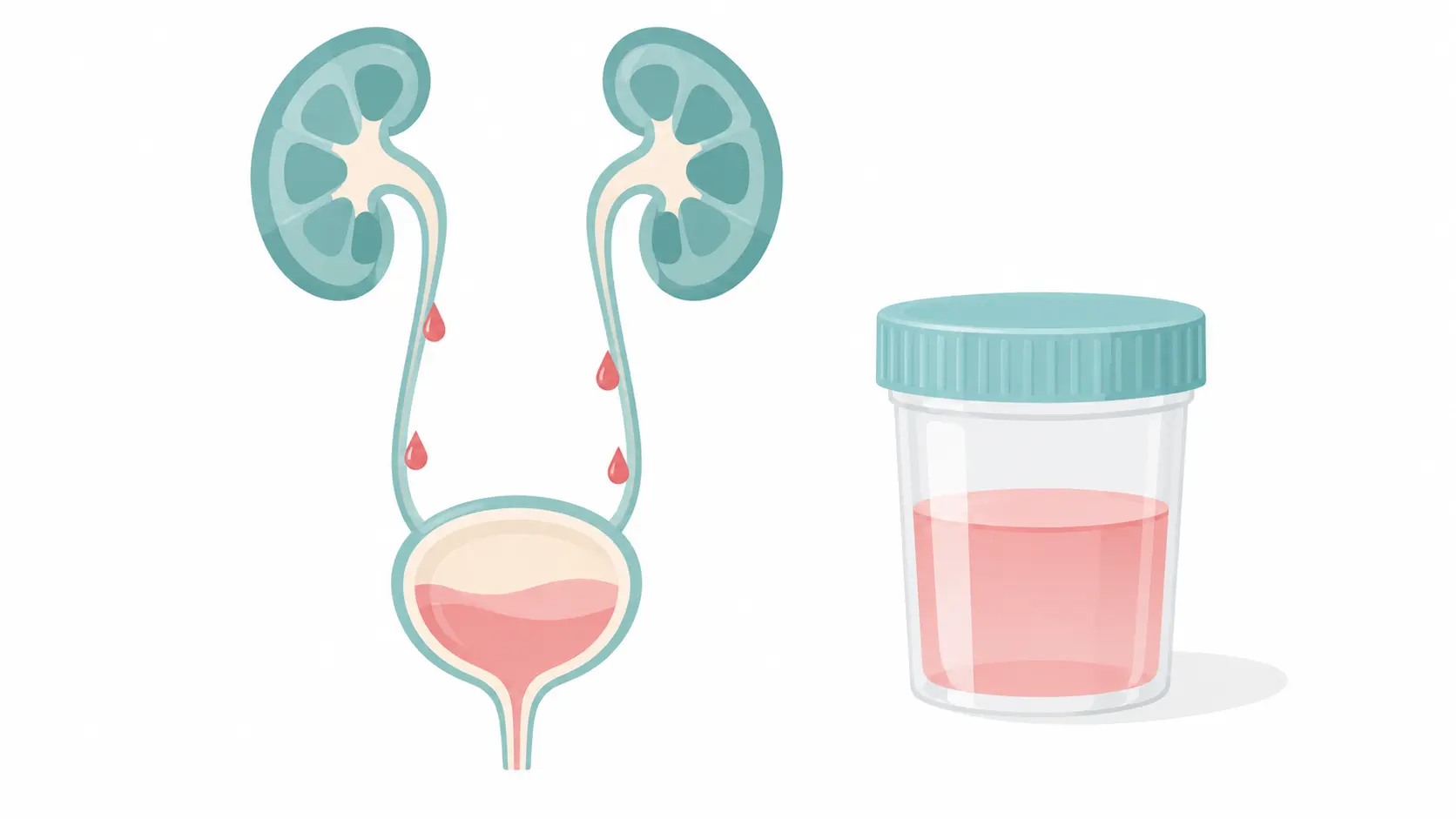
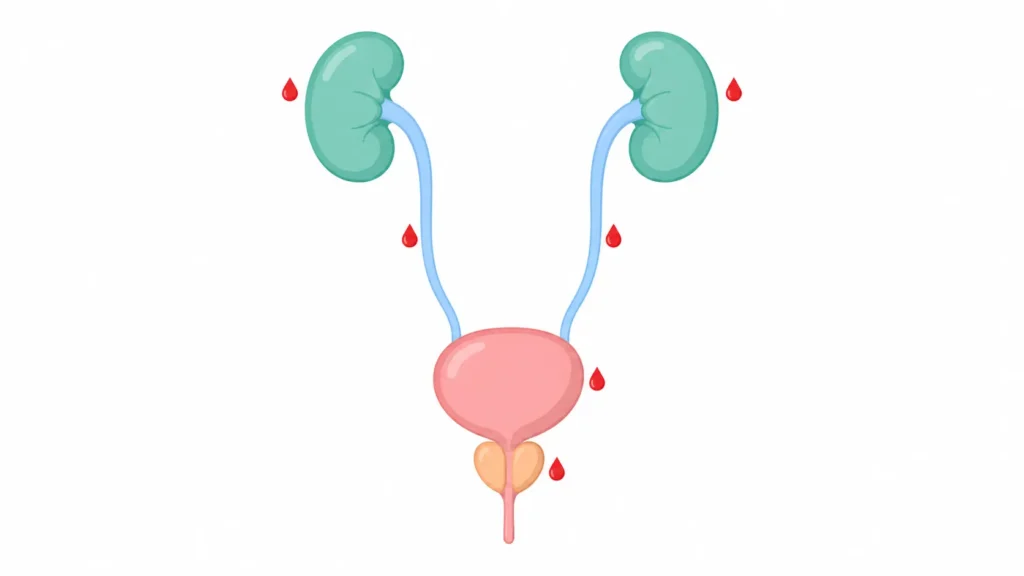
Hematuria is the medical term for red blood cells in the urine. Your kidneys filter blood to make urine, and healthy kidney filters keep red cells in the bloodstream. Urine then flows down two tubes called ureters into the bladder and leaves through the urethra. In men, it also passes through the prostate.
Bleeding anywhere along that path can show up in your pee. So can blood from outside the urinary tract, like a period or hemorrhoids, that mixes in as you go. Finding the source is the whole point of the workup.
It’s common. The National Institute of Diabetes and Digestive and Kidney Diseases (NIDDK) says at least 1 in 5 people seen by a urologist have it, and a 2026 American Family Physician (AAFP) review reports that at least 2.4% of healthy people have blood in their urine they can’t see.
Gross vs microscopic hematuria
| Gross (visible) hematuria | Microscopic hematuria | |
|---|---|---|
| What you notice | Pink, red, brown or cola-colored urine, sometimes clots | Nothing. Urine looks normal |
| How it’s found | You see it | A urine test, often done for another reason |
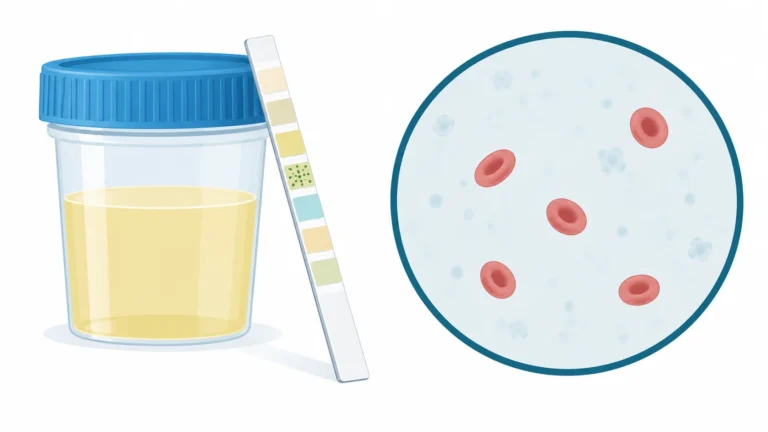
| How it’s confirmed | Urinalysis with a microscope | 3 or more red blood cells per high-power field (RBC/HPF) on a microscope test |
| Chance of a urinary tract cancer | About 10% to 20% | About 3% |
| Usual next step | Full evaluation, including a look inside the bladder | Repeat test or more tests, based on your risk group |
The cancer numbers come from StatPearls, a medical reference used by doctors. They mean most people with hematuria don’t have cancer, but visible blood carries enough risk that doctors check it every time.
A dipstick strip that turns color for blood isn’t proof on its own. Muscle protein after extreme exercise, free hemoglobin and menstrual blood can all make the strip turn positive, so the result has to be confirmed under a microscope. Our guide to occult blood in urine explains what trace, 1+, 2+ and 3+ mean and how the American Urological Association (AUA) risk groups work.
What does blood in urine look like?
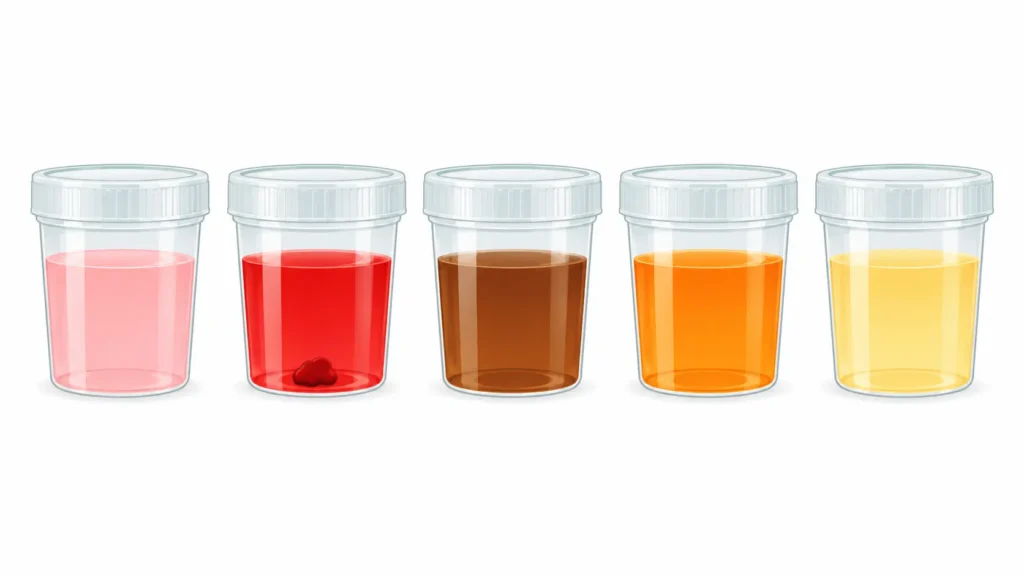
A small amount of blood can change the color of urine, so color alone doesn’t tell you how much you’re losing. It can hint at where the blood is coming from and whether it’s blood at all.
| Color | What it often means | Lookalikes that aren’t blood |
|---|---|---|
| Light pink | A small amount of fresh blood, from a bladder infection, a stone or hard exercise | Beets, blackberries, rhubarb |
| Bright red | Active bleeding, often from the bladder, prostate or a stone moving down | Red food dye, senna laxatives |
| Brown, tea or cola | Blood that has been in the urine longer, or bleeding from the kidney filters | Dark urine from dehydration; bile pigment from liver problems; muscle protein after extreme exercise |
| Orange | Rarely blood | Phenazopyridine (a bladder pain pill), rifampin |
| Red with clots | Heavier bleeding, often from the bladder or prostate | Rarely mistaken for anything else |
Red urine that isn’t blood
The National Kidney Foundation (NKF) lists foods and medicines that can turn urine pink, red or brown with no blood in it. Foods include beets, rhubarb, blackberries and red dye 40, and Cleveland Clinic adds fava beans. Medicines include senna laxatives, ibuprofen, iron pills, the antibiotics nitrofurantoin and rifampin, phenazopyridine, the seizure drug phenytoin and hydroxocobalamin, a form of vitamin B12.
A urinalysis settles it. If the color came from food or a pill, the blood test on the strip is negative and the microscope shows no red cells. For other unusual colors, see our guide to neon yellow pee.
Blood clots in urine
Clots mean more bleeding than pink urine does. Stringy, worm-shaped clots can form in a ureter and point to bleeding from the kidney, and larger round clots tend to come from the bladder. A clot big enough to block the bladder outlet is an emergency. Our guide to small blood clots in urine covers the shapes, causes and warning signs in detail.
What causes blood in urine?
A urinary tract infection is the most common cause of blood in urine. Kidney and bladder stones, an enlarged prostate in men, hard exercise and blood from a period are the next most common. Mayo Clinic, Cleveland Clinic and NIDDK list the same core causes, and in some people no cause is ever found.
Doctors think about causes by where the bleeding starts:
| Where the blood comes from | Possible causes |
|---|---|
| Kidneys | Stones, kidney infection, kidney filter disease (IgA nephropathy, glomerulonephritis, Alport syndrome, lupus), sickle cell disease, kidney cancer, injury |
| Ureters | A stone passing down, ureter cancer |
| Bladder | Bladder infection (cystitis), bladder stones, bladder cancer, bruising from contact sports, radiation, the chemotherapy drug cyclophosphamide, schistosomiasis |
| Prostate (men) | Enlarged prostate (BPH), prostatitis, prostate cancer, a recent biopsy or surgery |
| Urethra | Infection of the urethra from a sexually transmitted infection, injury, a catheter, urethral cancer |
| Outside the urinary tract | Period blood, endometriosis, thin vaginal tissue after menopause, hemorrhoids |
Urinary tract infections
Bacteria in the bladder inflame its lining, and the lining bleeds. E. coli, a bacterium that normally lives in the bowel, causes most of these infections. The blood usually comes with burning, a constant urge to pee, peeing often and pressure low in the belly. If the infection reaches the kidneys, fever, chills, back or side pain and nausea join in.
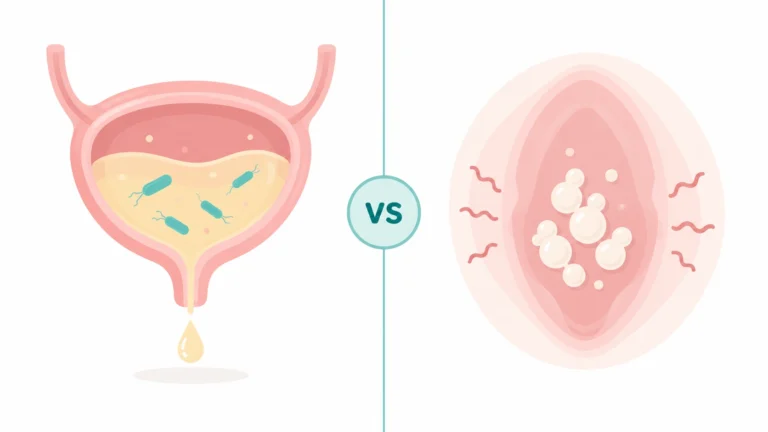
Women get UTIs far more often than men, and a UTI with blood can look a lot like a period. Our guide to whether a UTI can cause bleeding like a period shows how to tell where the blood is coming from. For the burning itself, see why it burns when you pee, and for the full picture, our guide to UTI symptoms, causes and treatment.
One rule worth knowing: once the infection is cured, the AUA wants a repeat urine test with a microscope. Blood that is still there after a cured UTI wasn’t caused by the UTI.
Kidney and bladder stones
Stones are hard clumps of minerals that form in the kidney. As one moves down the ureter, it scrapes the lining and causes bleeding. The classic sign is sudden, severe pain in the side or back that comes in waves and can spread to the groin. Some stones bleed without much pain, and a stone that hasn’t moved yet can leave only microscopic blood. A urine test or a CT scan usually finds them.
Enlarged prostate and prostatitis
An enlarged prostate (benign prostatic hyperplasia, or BPH) is common in men from middle age on. The swollen gland has many small blood vessels that can break and bleed. A weak stream, trouble starting, dribbling and getting up at night to pee often come with it. Prostatitis, an infection or inflammation of the prostate, can cause blood along with pain between the legs, fever or painful ejaculation.
Kidney filter disease
The kidney’s tiny filters, called glomeruli, can become inflamed and leak red cells. This tends to make urine tea-colored or cola-colored rather than bright red. NIDDK says IgA nephropathy, one of the most common filter diseases, can first show up as pink or cola urine after a cold, a sore throat or another respiratory infection.
Two other clues point to the kidneys: protein in the urine and high blood pressure. The NKF notes that protein together with blood usually means a kidney problem rather than a bladder one. Foamy urine and swelling in the legs, feet or around the eyes can be early signs of kidney disease, because they mean protein is leaking.
Does blood in urine mean your kidneys are failing? Usually not. Most blood comes from infections, stones or the prostate, and the kidneys keep working normally. A simple blood test for creatinine, used to estimate kidney function (eGFR), and a urine protein test answer the question. If both are normal, kidney failure isn’t the explanation.
Exercise, sex, periods and other short-lived causes
Some bleeding is temporary. Long-distance running and contact sports like football can bruise the bladder, and Mayo Clinic says exercise-related blood may go away on its own within a week. Sex can irritate the urethra or bladder, and NIDDK lists sexual activity as a cause. Period blood can mix into a urine sample and make the test positive when the urinary tract is fine.
Mayo Clinic adds a warning: if you see blood after a workout, don’t assume exercise is the reason. A repeat urine test after a couple of days of rest is the way to know. Our guide to whether blood in urine can go away on its own has timelines for each cause and explains when to get rechecked.
Medicines and blood thinners
Mayo Clinic links the chemotherapy drug cyclophosphamide and the antibiotic penicillin to blood in urine. Aspirin, which keeps platelets from sticking, and heparin, which thins the blood, are also tied to it. Other blood thinners such as warfarin, apixaban and rivaroxaban make any bleeding source bleed more easily.
Being on a blood thinner doesn’t explain the blood, though. The AUA says people taking these drugs need the same evaluation as everyone else, because the drug often makes something that was already there start bleeding sooner, including a tumor.
Inherited and other causes
- Sickle cell disease: This inherited blood disorder can cause visible or microscopic blood, per Mayo Clinic and Cleveland Clinic.
- Alport syndrome: An inherited disease of the kidney filters that can also affect hearing and vision.
- Injury: A fall, a car crash or a hard hit to the back or side can bruise a kidney. Blood after a major injury needs emergency care.
- Endometriosis: Tissue like the uterine lining can grow on the bladder and bleed in a monthly pattern.
- Schistosomiasis: A parasite caught by swimming, bathing or wading in freshwater in Africa and parts of the Middle East. The CDC says the species Schistosoma haematobium lodges in the urinary tract, causes painful urination and blood in urine, and is linked to bladder cancer. If you’ve had that kind of freshwater exposure, tell your doctor, even if it was years ago.
Which cancers cause blood in urine?
Cancers of the bladder, kidney, ureter, urethra and prostate can all cause blood in urine. Bladder cancer is the one doctors think about most. The American Cancer Society (ACS) says blood in the urine is most often its first sign. Early bladder cancer usually bleeds with little or no pain, and the blood can come and go, so urine might look orange, pink or, less often, dark red one day and normal for weeks after. Sometimes it’s only found on a urine test.
Kidney cancer is often silent early on. The ACS lists blood in urine, low back pain on one side, a lump in the side or lower back, tiredness, weight loss, a fever that won’t go away and low red blood cell counts as possible signs. Early prostate cancer rarely causes bleeding.
How likely is blood in urine to be cancer? For most people, not likely. About 3% of people with microscopic blood and 10% to 20% of people with visible blood are found to have a urinary tract cancer. The risk is higher if you:
- Smoke or used to smoke, the biggest risk factor for bladder cancer
- Are a man (ACS estimates more than three times as many new bladder cancer cases in men as in women in 2026)
- Are older, with risk climbing after 50
- Have worked with dyes, rubber, leather, paint or certain chemicals
- Had radiation to the pelvis or cyclophosphamide treatment
- Have a long-term catheter, or a family history of urinary tract cancer or Lynch syndrome
What other symptoms can tell you
The symptoms that come with the blood often point to the cause faster than the blood itself. Use this as a guide for the conversation with your doctor, not as a diagnosis.
| What comes with the blood | Most likely cause | What to do |
|---|---|---|
| Burning, urgency, peeing often | Bladder infection | See a provider in a day or two for a urine test |
| Fever, chills, back or side pain, nausea | Kidney infection | Same-day care |
| Sudden, sharp waves of pain in the side, back or groin | Kidney stone | Same-day care; ER if the pain is severe or you have a fever |
| Weak stream, getting up at night, man over 50 | Enlarged prostate | Book a visit with your doctor or a urologist |
| Cola urine, foamy urine, swelling, high blood pressure, a recent sore throat | Kidney filter disease | See your doctor soon; you may need a nephrologist |
| Blood only during or right after your period | Period blood in the sample | Retest after your period ends |
| Blood after a race or hard workout, nothing else | Exercise | Rest, then retest after about 48 hours |
| Nothing else at all | Needs testing to find out | Book a visit; don’t wait for it to come back |
Blood in urine with no pain
Painless blood is the pattern doctors take most seriously. Pain usually means something sudden, like a stone or an infection. When there is no pain, the cause is harder to guess. It can still be harmless, like exercise, a medicine or a quiet kidney stone. But painless visible blood is also how bladder and kidney cancers most often first show up, above all in people over 40 and in smokers.
That’s why painless blood that goes away still deserves a visit. A clear toilet bowl the next day doesn’t mean the source has healed. If you’ve had pain-free urinary symptoms besides blood, our guide to UTIs without pain covers the quieter signs of infection.
Blood in urine in women
In women, the most common cause is a urinary tract infection, because a shorter urethra lets bacteria reach the bladder more easily. Other causes to consider:
- Your period: NIDDK notes that menstrual blood can get into a urine sample and make the test look positive. Women who test positive during their period may be asked to repeat the test after it ends.
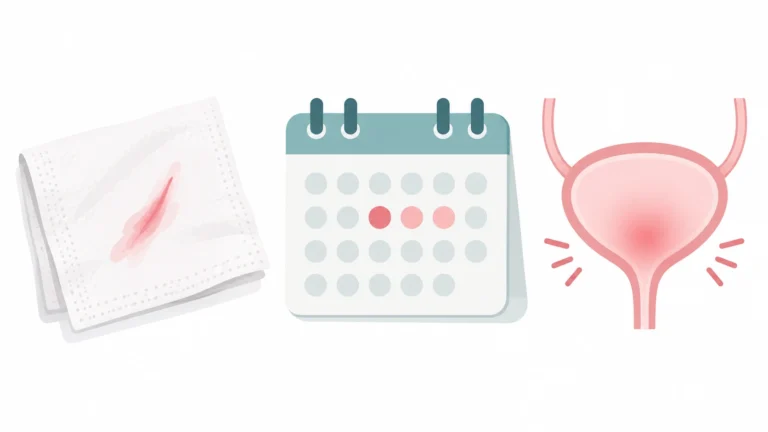
- Blood when you wipe: Blood on the tissue can come from the urethra, the vagina or the anus. Our guide to UTI bleeding vs a period explains how to tell them apart at home.
- Endometriosis: Blood in urine that follows your cycle month after month can be a sign of endometriosis on the bladder.
- After menopause: The AUA lists thin vaginal tissue (vaginal atrophy) and pelvic organ prolapse as causes that can leave some blood in a sample. They can be treated, and the urine retested afterward.
Blood in urine in women is often blamed on infection over and over. An AAFP review of the AUA guideline found that about 1 in 10 women with bladder cancer had more than three courses of antibiotics for UTIs before the cancer was found. If you keep getting “UTIs” with blood, ask for a urine culture each time and a repeat microscope test once you’re well.
The 2025 AUA update changed one rule for women. A woman under 60 who has microscopic blood, has never smoked or smoked lightly, and has no other risk factors is now considered low risk and usually gets a repeat urine test first, rather than going straight to a bladder scope. Visible blood is different. It needs a full evaluation at any age.
Blood in urine in men
In men, the common causes shift with age. Younger men are more likely to have an infection, a stone or bleeding from exercise. From middle age on, an enlarged prostate becomes a frequent cause, and the risk of bladder cancer climbs.
- Enlarged prostate (BPH): A leading cause of blood in urine in older men. It often comes with a weak stream and peeing at night.
- Prostatitis: Infection or inflammation of the prostate, often with pain, fever or pain on ejaculation.
- After a prostate biopsy or surgery: Some blood is expected. An NHS leaflet says blood in urine is normal for up to two weeks after a biopsy through the rectum.
- UTIs: Less common in men, so a UTI in a man is usually checked more closely for a cause like a stone or an enlarged prostate.
- Bladder cancer: Painless visible blood in a man over 50, and more so in a smoker, is the classic warning sign.
Under the AUA risk groups, age alone moves men up faster than women. Men under 40 with low-level microscopic blood are low risk. Men aged 40 to 59 are intermediate risk, and men 60 or older are high risk, which means a bladder scope and a CT scan. Sudden painless blood or clots in a man of any age need a prompt visit.
Is blood in urine serious?
Blood in urine can be nothing serious. A single episode after a marathon, during a period, after sex or with a UTI that clears up often turns out to be harmless. The NKF notes that when no cause is found and the bleeding goes away quickly, there’s usually no problem in people under 35. After 35, even short-lived blood can be a sign of cancer.
So “is it serious?” depends on three things: whether you can see it, your age and smoking history, and whether it keeps coming back. Visible blood, blood in someone over 35 to 40, blood in a smoker and blood that returns all need a proper workup, even if you feel fine.
What about dehydration and stress? Not drinking enough makes urine dark and concentrated, which can be mistaken for blood, and Cleveland Clinic says extreme dehydration could possibly cause bloody urine. Dehydration also raises the risk of kidney stones, which do bleed. Stress on its own isn’t a known cause. Our guide on whether blood in urine goes away on its own covers dehydration in more detail.
When to go to the ER
Call 911 or go to the nearest emergency room if you have blood in your urine and any of these:
- You can’t pee at all, or only a few drops come out
- You pass large clots, or the bleeding is heavy
- You feel dizzy, faint, weak or short of breath
- You have a fever with chills, back or side pain, or vomiting
- You have severe pain in your back, side, belly or groin
- You were in a recent accident, fall or other injury to the belly or back
The NKF warns that large clots can block urine flow out of the bladder. Doctors call this clot retention, and it usually needs a catheter to drain the bladder.
How doctors find the cause of blood in urine
The workup goes in steps, from simple urine tests to imaging and a look inside the bladder. Who gets which test depends on whether the blood was visible and on your risk group.
- History and exam. Your doctor asks about color, clots, timing, pain, infections, exercise, sex, your period, medicines, smoking and work exposures. Men may have a prostate exam, and women may have a pelvic exam.
- Urinalysis with a microscope. This confirms red blood cells and checks for white cells, bacteria, protein and crystals. A urine culture is added if an infection is possible.
- Blood tests. Creatinine and eGFR check kidney function. The NKF notes that some kidney filter diseases are checked with other blood tests, such as complement proteins.
- Risk grouping. For microscopic blood, your age, sex, smoking history and the red cell count place you in a low, intermediate or high risk group. Our occult blood guide has the full AUA table.
- Imaging. A kidney ultrasound for intermediate risk, or CT urography, a CT scan with contrast dye timed to show the kidneys, ureters and bladder, for high risk and for visible blood.
- Cystoscopy. A urologist passes a thin camera through the urethra to look at the bladder lining. It’s done in the office with numbing gel and takes a few minutes.
For visible blood, the AAFP review says the cancer risk is high enough that doctors do cystoscopy, imaging of the upper urinary tract and urine cytology, a test that looks for cancer cells in the urine. If everything is normal, the AUA suggests repeating the urine test later and starting the evaluation over if visible blood ever comes back.
Which doctor should you see for blood in urine?
| Situation | Who to see |
|---|---|
| First episode, with or without symptoms | Your primary care doctor or an urgent care clinic |
| Visible blood, clots, stones, a prostate problem, or a cancer workup | Urologist |
| Protein in the urine, cola-colored urine, falling eGFR or high blood pressure | Nephrologist (kidney specialist) |
| Blood that follows your cycle, or bleeding you think is vaginal | Gynecologist |
| Pregnant | Your obstetrician or midwife, the same day |
| Heavy bleeding, can’t pee, fever with back pain | Emergency room |

How blood in urine is treated
There is no treatment for blood in urine itself. Doctors treat the cause, and the bleeding stops once the cause is under control. Cleveland Clinic lists the main options:
- Infections: antibiotics, followed by a repeat urine test once you’re well
- Stones: fluids and pain relief for small stones, medicine to help them pass, or shock wave therapy or a scope procedure for larger ones
- Enlarged prostate: alpha-blockers or 5-alpha-reductase inhibitors such as finasteride or dutasteride, or surgery if medicines don’t control the bleeding
- Kidney disease: blood pressure medicines, diuretics and other drugs to protect kidney function
- Cancer: surgery, immunotherapy, chemotherapy, radiation or a mix, based on the type and stage
- Endometriosis: hormonal treatments
- Medicine-related bleeding: your prescriber may adjust the dose or switch drugs
What helps at home while you wait for an appointment
Home remedies can’t stop bleeding inside the urinary tract, and NIDDK says research hasn’t found that diet plays a role in causing or preventing hematuria. A few things do help:
- Drink enough water that your urine stays pale. It dilutes the blood and lowers the chance of clots and stones.
- Skip hard exercise and sex for about two days before a repeat test, so they don’t muddy the result.
- Keep a short log of the date, color, clots, pain, exercise, sex, your period and any new medicines.
- Don’t stop a prescribed blood thinner on your own.
- Don’t take leftover antibiotics. They can hide an infection without curing it and make the urine culture useless.
The bottom line
Blood in urine has many causes, and most of them, like infections, stones, an enlarged prostate and hard exercise, are treatable and not dangerous. Color and the symptoms that come with it help point to the source, but only a urine test with a microscope confirms it’s blood. Visible blood, painless blood, blood in a smoker or anyone over 35 to 40, and blood that keeps coming back all need a full evaluation, even if it stops. Go to the ER for clots that block urine, heavy bleeding with dizziness, or fever with back pain.
Frequently asked questions
How much blood in urine is normal?
A tiny amount is normal. A healthy urine sample can show 0 to 2 red cells in each microscope view. Visible blood is never normal, and any count above that range needs a follow-up test.
Is blood in urine contagious?
No, hematuria itself can’t spread. Some causes can. Chlamydia and gonorrhea inflame the urethra and pass through sex, so get tested after a new partner, even if the bleeding stops.
Can you have blood in urine while pregnant?
Yes. Pregnancy makes it easier for a UTI to spread to the kidneys, and stones can still form. Call your obstetrician the same day, since pregnancy changes which tests and medicines are safe.
Should I stop my blood thinner if I see blood in my urine?
No, not without talking to your prescriber. Stopping suddenly can raise your risk of a stroke or a clot. Call the doctor who prescribed it today. Heavy bleeding or feeling faint on a blood thinner needs emergency care.
Can a home urine test strip detect blood?
Yes, drugstore strips have a blood pad, but they give false positives from period blood, muscle protein and some cleaners. A positive strip only means you need a lab urinalysis with a microscope, not a diagnosis.
Is a little blood normal with a urinary catheter?
A small amount of pink urine can happen when a catheter rubs the bladder or urethra, mostly right after it’s placed. Call your care team if the urine turns red, clots appear, or the bag stops filling.
Sources
- Mayo Clinic. Blood in urine (hematuria): Symptoms and causes
- Cleveland Clinic. Hematuria (Blood in Urine)
- National Institute of Diabetes and Digestive and Kidney Diseases. Hematuria (Blood in the Urine)
- National Kidney Foundation. Hematuria (Blood in the Urine) in Adults
- Leslie SW, Hamawy K, Saleem MO. Gross and Microscopic Hematuria. StatPearls, updated 2025
- American Family Physician. Microhematuria: Updated Guidelines From the American Urological Association, 2026
- American Urological Association and SUFU. Microhematuria: AUA/SUFU Guideline (2020, amended 2025)
- American Cancer Society. Bladder Cancer Signs and Symptoms
- American Cancer Society. Key Statistics for Bladder Cancer
- American Cancer Society. Kidney Cancer Signs and Symptoms
- National Institute of Diabetes and Digestive and Kidney Diseases. IgA Nephropathy
- Centers for Disease Control and Prevention. CDC Yellow Book: Schistosomiasis
- North Tees and Hartlepool NHS Foundation Trust. TRUS Guided Prostate Biopsy Aftercare Information
Disclaimer
This blog is for informational and educational purposes only, and does not intend to substitute any professional medical advice or consultation. For any health related concerns, please consult with your physician, or call 911.