Early Signs of Kidney Disease: Symptoms to Watch and the Tests That Catch It
Early kidney disease usually causes no symptoms, so the first signs are most often found on tests: protein (albumin) in the urine or a falling eGFR on a blood test. When symptoms do show up early, they tend to be foamy urine, puffy eyes, swollen ankles, peeing more at night and blood pressure that’s hard to control. Tiredness, itching, cramps and nausea come later. Anyone with diabetes, high blood pressure or a family history should get tested.
Most people who have kidney disease don’t know it. The kidneys can lose a large share of their filtering power before the body sends any warning, and the warnings that do come are easy to blame on something else. This guide covers the signs to watch for, the changes that point to kidneys under strain, the two simple tests that find kidney disease years before symptoms and what you can do to slow it down.
Why early kidney disease is easy to miss
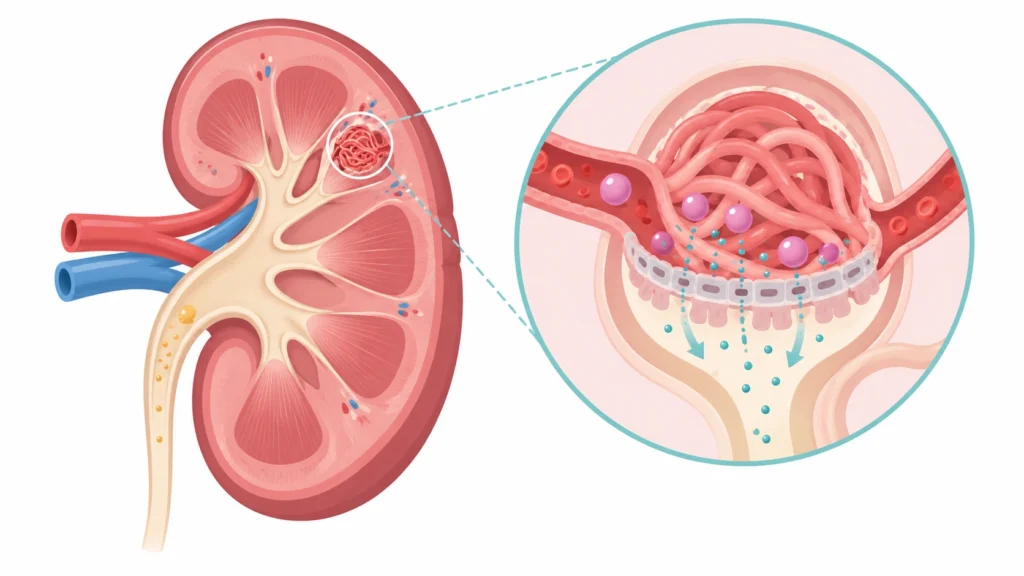
Your kidneys filter your blood all day. Each one holds many tiny filtering units called nephrons, and each nephron has a filter called a glomerulus. Water, waste and minerals pass through. Proteins and blood cells are meant to stay in the blood. What’s left over becomes urine.
When some of these filters are damaged, the healthy ones pick up the extra work. The NHS explains that the body can cope with a large drop in kidney function, which is why early chronic kidney disease (CKD) rarely causes problems. Mayo Clinic says most people have no symptoms until the last stages, and the symptoms that do appear are often vague.
The numbers show how often this goes unnoticed. According to the Centers for Disease Control and Prevention (CDC), about 14% of US adults, or about 37 million people, have CKD, and about 87% of them don’t know they have it. The CDC data, from 2021 to 2023, also shows CKD in about 34% of adults 65 and older.
Doctors call it chronic kidney disease when signs of kidney damage or low kidney function last more than 3 months, according to the National Kidney Foundation (NKF) write-up of the international KDIGO guideline. Those signs are an eGFR under 60 or a damage marker such as albumin in the urine.
Early signs of kidney disease
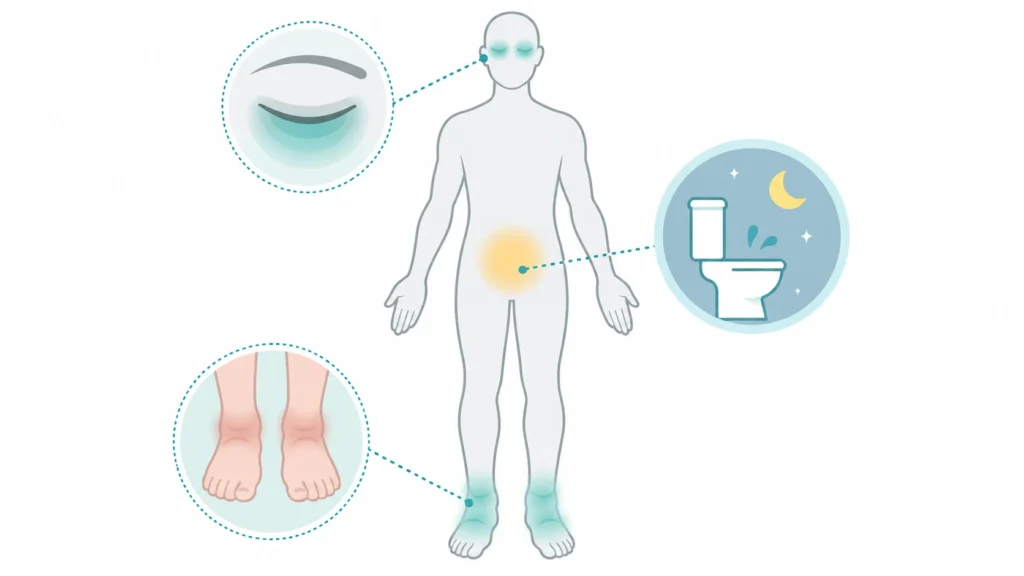
The earliest changes are often in your urine, around your eyes and ankles, and in your blood pressure. None of them proves kidney disease, because other conditions can cause each one. If they last, a quick blood and urine test will tell you whether your kidneys are the cause.
Changes in your urine
Foamy or bubbly urine is one of the clearest early clues. The NKF describes it as bubbles that need several flushes to go away, a bit like the foam on whisked eggs. The reason is protein: albumin, the main protein that leaks into urine, is the same protein found in egg whites. A little foam now and then after a fast, forceful stream is normal. Foam that shows up every day is worth a urine test.
Peeing more often, mostly at night, is another early change. Damaged filters can raise the urge to pee. The NKF notes that a bladder infection or an enlarged prostate in men can cause the same thing.
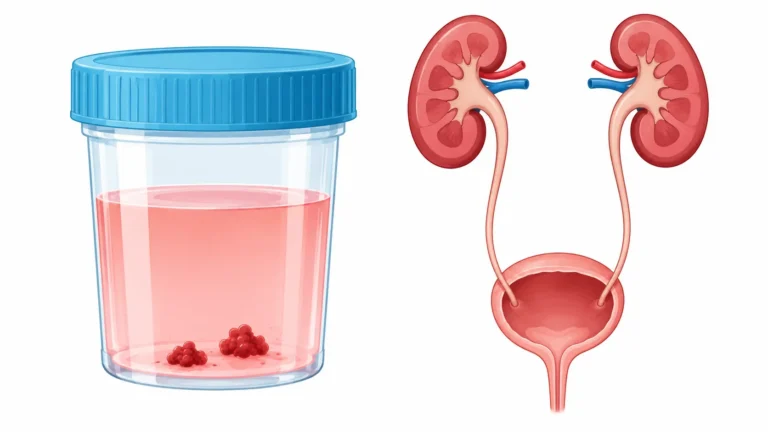
Blood in your urine can mean the kidney’s filters are leaking red blood cells. The urine may look pink, red or tea-colored, or the blood may be too small to see and show up only on a urine test as hidden (occult) blood. Infections, stones and the prostate are more common causes, so our guide to blood in your urine walks through all of them. Blood plus protein together points more toward the kidneys.
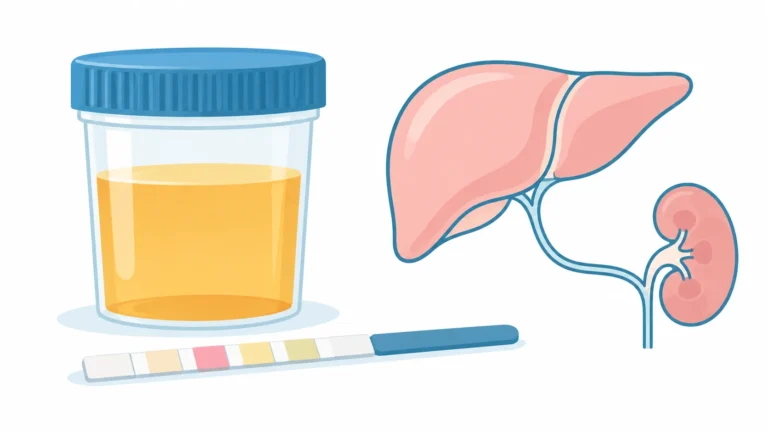
Color on its own is a weak clue. Dark yellow urine usually just means you need more water. Dark or cola-colored urine can come from blood, but it can also come from bile pigment when the liver is involved.
Peeing much less than usual, or barely at all, is a different matter. Cleveland Clinic lists it among the signs of kidney failure, and it needs a same-day check.
Swelling and puffy eyes
Puffiness around the eyes that doesn’t fade, mainly in the morning, can mean your kidneys are letting a large amount of protein escape into the urine, according to the NKF. With less protein in the blood, fluid seeps into soft tissue.
Swelling in the feet, ankles, legs or hands has a second cause. Kidneys that work less well hold on to salt, and salt holds water. Mayo Clinic adds that a sudden jump in body weight can be a sign of fluid building up.
Swollen ankles are common and have many other causes, including heart disease, liver disease, leg vein problems and long hours of standing. Press a thumb into the swollen area for a few seconds. If a dent stays, that’s pitting edema, and it’s a reason to book a visit.
High blood pressure that’s hard to control
High blood pressure and kidney disease feed each other. Long-standing high blood pressure damages the small blood vessels in the kidneys. Damaged kidneys then remove less salt and water, which pushes blood pressure up further. Mayo Clinic lists high blood pressure that’s hard to manage as one sign of advanced kidney disease.
If your blood pressure keeps rising even though you take your medicine, or you need more and more medicines to keep it down, ask your doctor to check your kidneys. High blood pressure itself usually causes no symptoms, so a home cuff or a pharmacy machine is the only way to know.
Later signs: how you feel when your kidneys are struggling
As kidney function drops further, waste, extra fluid, acid, potassium and phosphate build up in the blood. Mayo Clinic, Cleveland Clinic, the NHS and the NKF describe a similar set of signs at this stage:
- Tiredness and weakness. Waste builds up, and damaged kidneys make less erythropoietin, the hormone that tells your body to make red blood cells. The result is anemia, which leaves you tired and short of breath, according to an American Diabetes Association patient guide.
- Trouble concentrating or confusion
- Trouble sleeping. The NKF notes that sleep apnea is also more common in people with kidney disease.
- Dry, itchy skin, often from the mineral and bone problems that come with advanced kidney disease
- Muscle cramps, linked to low calcium and high phosphorus
- Poor appetite, weight loss, nausea or vomiting
- A metallic taste, or food that tastes “off”
- Shortness of breath, from fluid in the lungs or anemia
- Headaches
- Erectile dysfunction or a lower sex drive
The NHS notes that each of these can come from many less serious conditions, so a symptom alone doesn’t diagnose kidney disease. At this point, the disease is often at stage 4 or 5, which is why testing before symptoms matters so much.
Does kidney disease cause pain?
Chronic kidney disease itself usually doesn’t hurt. None of the main CKD symptom lists from Mayo Clinic, Cleveland Clinic or the NHS includes pain. Pain in your back or side, just below the ribs, more often points to a kidney stone, a kidney infection or large cysts from polycystic kidney disease. Our guide to what can mimic kidney stone pain sorts out which is which.
A kidney infection usually comes with fever, chills, nausea and pain or burning when you pee. The American Diabetes Association guide advises seeing a doctor right away for these, because an infection left alone can damage the kidneys.
Sudden kidney problems: acute kidney injury
Not all kidney disease is slow. Acute kidney injury (AKI), also called acute kidney failure, can develop within hours or days, according to Cleveland Clinic. It’s often temporary when the cause is found and fixed. Common causes include:
- Severe dehydration, such as from vomiting, diarrhea or heat
- A blockage in the urinary tract, such as an enlarged prostate or a stone
- Serious whole-body illness such as sepsis, heart disease or liver disease
- Some medicines
Warning signs include peeing much less than usual, new swelling, sudden tiredness or confusion, nausea and shortness of breath. Because it moves fast, AKI needs care the same day, not at a routine visit.
Kidney disease signs in women and older adults
Women
The signs of kidney disease are the same in women and men. What differs are some of the causes. A 2018 review in the Indian Journal of Nephrology, written for World Kidney Day, points out that:
- Lupus affects about 9 women for every man, and it affects the kidneys in about half of people who have it.
- Preeclampsia, a pregnancy condition with high blood pressure and protein in the urine, happens in about 3% to 10% of pregnancies and raises the risk of kidney disease later in life.
- Pregnancy is the most common cause of acute kidney injury in women of childbearing age.
Women also get far more bladder infections than men. Infections that reach the kidneys can scar them, so repeat UTIs deserve a full workup. If you had preeclampsia, tell every new doctor, and ask for a yearly blood pressure check and a kidney test.
Older adults
About a third of adults 65 and older have CKD, according to the CDC. In older adults, the early signs are easy to put down to age: low energy, poor sleep, itchy skin, swollen ankles or a weaker appetite. Many older adults also take medicines that strain the kidneys, such as daily NSAID pain relievers. Cleveland Clinic lists being over 60 and long-term NSAID use as kidney failure risk factors. A yearly blood and urine check is the simplest way to stay ahead.
Tests that catch kidney disease early
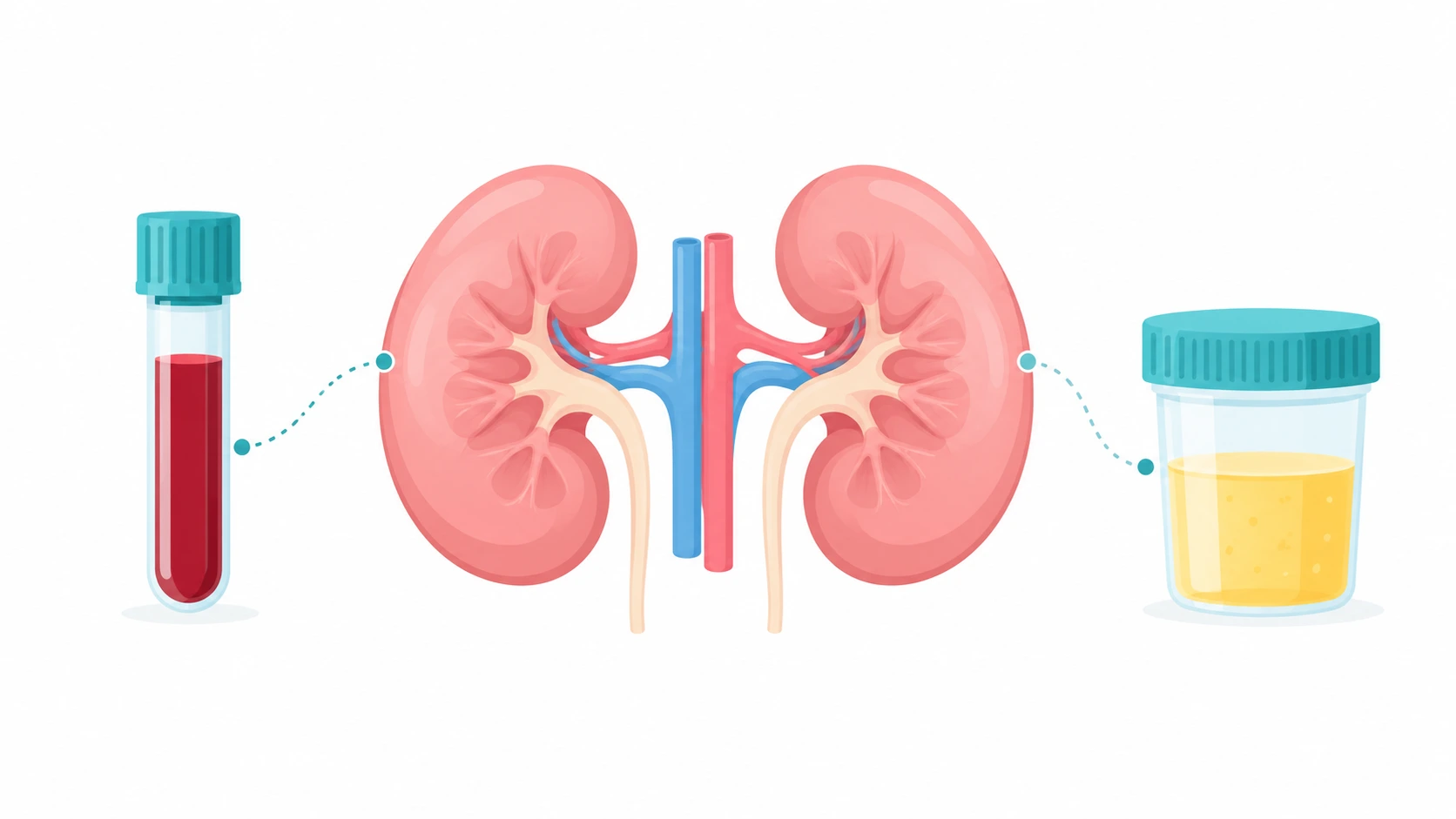
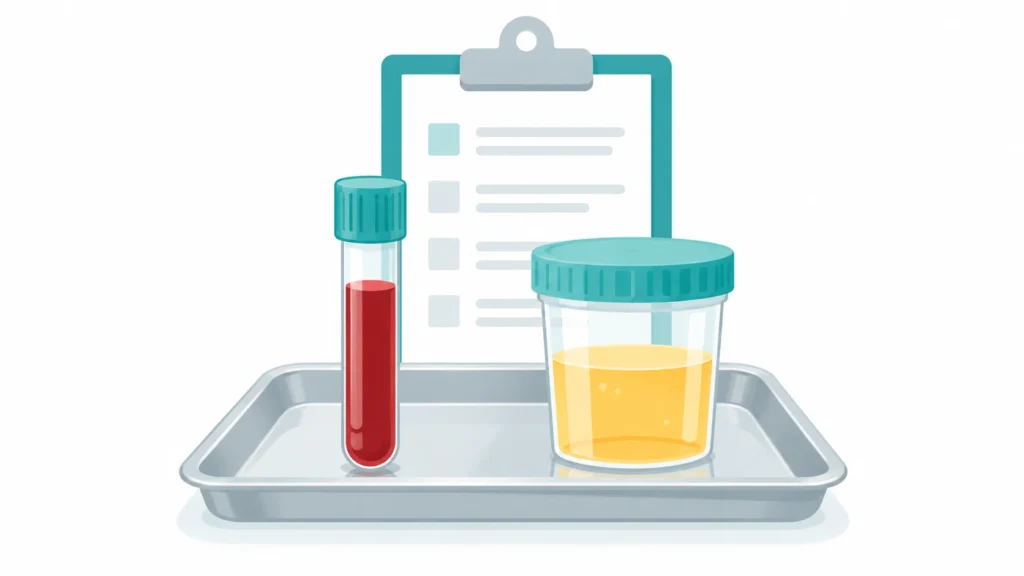
Only testing can find early kidney disease. The NKF names two tests, and both are part of routine care:
- eGFR (estimated glomerular filtration rate): a blood test that estimates how much blood your kidneys filter each minute. It’s calculated from your creatinine level, a waste product from muscle, along with your age and sex.
- UACR (urine albumin-to-creatinine ratio): a urine test that compares the amount of albumin with creatinine in a single sample.
The National Institute of Diabetes and Digestive and Kidney Diseases (NIDDK) gives these cutoffs:
| Test | Normal | May point to kidney disease | Kidney failure |
|---|---|---|---|
| eGFR | 60 or higher | Under 60 | 15 or lower |
| UACR | 30 mg/g or less | Above 30 mg/g | — |
One abnormal result isn’t a diagnosis. The NIDDK says a positive urine albumin test should be repeated to confirm it. Doctors also sort albumin levels into three groups: under 30, 30 to 300 and over 300 mg/g. Higher levels mean higher risk.
Your doctor may also order a cystatin C blood test. The 2024 KDIGO guideline, summarized in the American Journal of Managed Care, says adding cystatin C to creatinine gives a more accurate eGFR, which helps in people with high or low muscle mass. A standard urinalysis can flag protein and blood, but UACR is the more exact test for albumin.
Kidney disease stages
Your stage comes from your eGFR. Mayo Clinic, citing the NKF, lists five stages:
| Stage | eGFR (mL/min) | Kidney function | Symptoms |
|---|---|---|---|
| 1 | 90 or above | Normal, with signs of damage | Usually none |
| 2 | 60 to 89 | Mild loss | Usually none |
| 3a | 45 to 59 | Mild to moderate loss | Often none |
| 3b | 30 to 44 | Moderate to severe loss | Often none |
| 4 | 15 to 29 | Severe loss | Symptoms more likely |
| 5 | Under 15 | Kidney failure | Symptoms of kidney failure; dialysis or a transplant needed |
What does stage 1 kidney disease feel like? For almost everyone, nothing. Cleveland Clinic notes that stages 1 and 2 are only diagnosed when another test also shows damage, such as albumin in the urine. An eGFR between 60 and 89 with no other signs can be normal for you.
What color is urine in stage 3 kidney disease? Usually its normal color. Changes such as foam or blood come from protein or red cells leaking, not from the stage itself.
Who should get tested for kidney disease
The NIDDK advises testing if you have:
- Diabetes
- High blood pressure
- Heart disease
- A family history of kidney failure
The CDC estimates that about 38% of adults with diabetes and about 21% with high blood pressure have CKD. The NKF adds that anyone over 60 should be tested every year. People with diabetes should be tested at least once a year, according to the NIDDK, and Mayo Clinic says people at risk often see their doctor every 6 to 12 months for kidney checks.
Mayo Clinic lists these other risk factors:
- Smoking
- Being overweight
- Being Black, Native American or Asian American. CDC data shows CKD in about 22% of Black adults, compared with 13% of White and 12% of Hispanic adults.
- Older age
- Problems with the shape or size of the kidneys
- Frequent use of medicines that can harm the kidneys
What causes kidney disease
Diabetes and high blood pressure are the two most common causes of CKD and kidney failure, according to Cleveland Clinic. High blood sugar damages the small blood vessels in the kidneys. High blood pressure strains those same vessels with every heartbeat.
Mayo Clinic lists these other causes:
- Autoimmune diseases such as lupus, sarcoidosis and Sjogren syndrome
- Polycystic kidney disease and other inherited kidney diseases
- Glomerular diseases such as IgA nephropathy, which inflame the kidney’s filters
- Long-lasting blockage of the urinary tract, from an enlarged prostate, stones or tumors
- Vesicoureteral reflux, where urine flows back up toward the kidneys
- Some medicines, including lithium, large doses of ibuprofen and other NSAIDs, and some drugs that suppress the immune system
What hurts the kidneys most? Uncontrolled blood sugar and uncontrolled blood pressure, the two leading causes. Regular high doses of NSAID pain relievers and smoking add to the damage.
Can early kidney disease be slowed or reversed?
Acute kidney injury often recovers once the cause is fixed. Chronic kidney damage is different. The American Diabetes Association guide says CKD damage isn’t reversible, but you can slow it down and keep it from getting worse. Finding it early gives you the most room to do that.
These steps protect your kidneys:
- Keep blood pressure on target. Your doctor sets the goal and picks the medicine.
- Keep blood sugar on target if you have diabetes.
- Ask about an SGLT2 inhibitor. The 2024 KDIGO guideline recommends these medicines for most adults with CKD and an eGFR of 20 or higher, with or without diabetes, because they slow kidney decline.
- Ask about a statin. The same guideline recommends one for adults with CKD who are 50 or older, to lower heart risk.
- Use NSAIDs only as directed on the label, and ask your doctor which pain reliever is safe for you.
- Cut back on salt. Less sodium helps lower blood pressure. A dietitian can help with protein portions too.
- Stop smoking and stay active. Cleveland Clinic suggests at least 30 minutes of activity five days a week.
- Tell each doctor you have kidney disease before imaging tests that use contrast dye, and get bladder or kidney infections checked right away.
When to see a doctor
Book an appointment if you notice foamy urine that keeps coming back, puffy eyes or swollen ankles that don’t go away, more nighttime peeing, visible blood in your urine or blood pressure that’s climbing. Book one too if you have diabetes, high blood pressure, heart disease or a family history of kidney failure and haven’t had an eGFR and UACR in the past year.
Go to the emergency room or call 911 if you:
- Pee little or not at all
- Have new shortness of breath or chest pain
- Become confused or hard to wake
- Have swelling that spreads fast
- Have fever, chills and back or side pain with vomiting
The bottom line
Kidney disease rarely announces itself early. Foamy urine, puffy eyes, swollen ankles, peeing more at night and stubborn high blood pressure are the clues to watch, but most people find out from a blood test (eGFR) and a urine test (UACR). If you have diabetes, high blood pressure, heart disease, a family history or you’re over 60, ask for both every year. Caught early, CKD can often be slowed.
Frequently asked questions
Can you flush your kidneys naturally?
No tea, juice or cleanse removes kidney damage. The NKF advises avoiding products sold as a kidney detox or cleanse, since some ingredients can harm kidneys or interact with medicines. Healthy kidneys clean your blood on their own.
Can you check your kidneys at home?
Home urine strips can show protein or blood, but they can’t measure eGFR or stage kidney disease. A positive strip needs a lab UACR and blood test, and a negative one doesn’t rule disease out.
Can dehydration make kidney test results look worse?
Yes. Dehydration can lower kidney function for a short time and push creatinine up. Drink normally before a blood draw, and if a result comes back low, ask for a repeat once you’re well hydrated.
Is kidney disease inherited?
Some types are. Polycystic kidney disease and Alport syndrome run in families, and a parent or sibling with kidney failure raises your own risk. Tell your doctor about your family history so testing starts early.
Do you need a kidney specialist for early CKD?
Most early CKD is managed by a primary care doctor. Referral to a nephrologist is advised when eGFR falls under 30, albumin is above 300 mg/g, function drops fast or the cause is unclear.
Sources
- Centers for Disease Control and Prevention. Chronic Kidney Disease in the United States, 2026
- National Institute of Diabetes and Digestive and Kidney Diseases. Chronic Kidney Disease Tests & Diagnosis
- Mayo Clinic. Chronic kidney disease: Symptoms and causes, 2025
- Cleveland Clinic. Kidney Failure
- NHS. Chronic kidney disease: Symptoms
- National Kidney Foundation. 10 Signs You May Have Kidney Disease
- National Kidney Foundation. What’s New About the New CKD Guideline?
- National Kidney Foundation. Herbal Supplements and Kidney Disease
- American Diabetes Association. Diabetes and Kidney Disease (patient guide). Clinical Diabetes, 2020
- American Journal of Managed Care. New Guideline Updates to Slow CKD Progression and Reduce Cardiovascular Risk, 2025
- Piccoli GB, et al. What we do and do not know about women and kidney diseases. Indian Journal of Nephrology, 2018
- The Hospitalist. When Should I Refer My CKD Patient to Nephrology?
Disclaimer
This blog is for informational and educational purposes only, and does not intend to substitute any professional medical advice or consultation. For any health related concerns, please consult with your physician, or call 911.