Leukocytes in Urine: What Leukocyte Esterase and WBC Results Mean
Leukocytes are white blood cells, and finding them in urine means something along the urinary tract is inflamed. A urinary tract infection (UTI) is the most common reason, but a contaminated sample, a sexually transmitted infection (STI) or a kidney stone can do the same. The result means more when you read it with nitrites, bacteria and your symptoms.
Your patient portal says “WBC esterase: 2+” with a red “Abnormal” next to it, or “Leukocytes, UA: trace.” Maybe you have burning when you pee, or maybe you feel completely fine and this came from a routine checkup. Either way, the line on the report is a clue, not a diagnosis. Here’s how to read it.
What are leukocytes in urine?
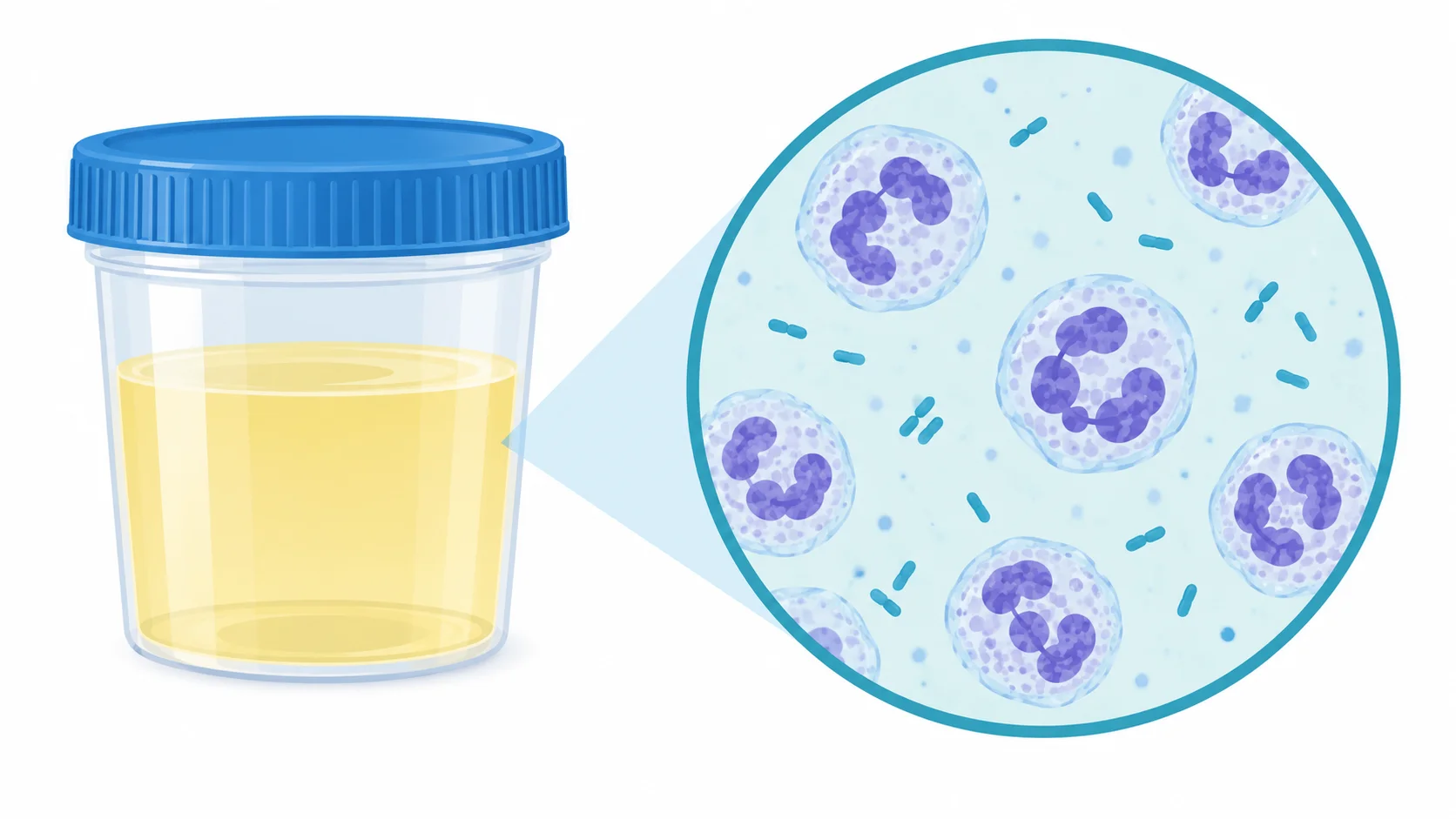
Leukocytes in urine are white blood cells that have entered the urinary tract, usually because the immune system is responding to infection or irritation. Doctors call this finding pyuria. Urine from a healthy kidney, bladder and urethra carries only a few white blood cells.
Most of the white blood cells found in urine are neutrophils, the immune cells that rush to fight bacteria. When they reach the bladder or urethra, some leave the body in urine, where a lab can either detect the enzyme they release or count the cells under a microscope.
What is leukocyte esterase?
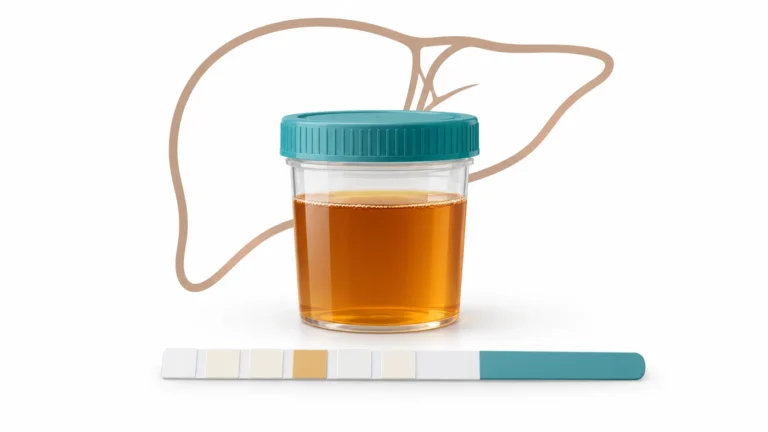
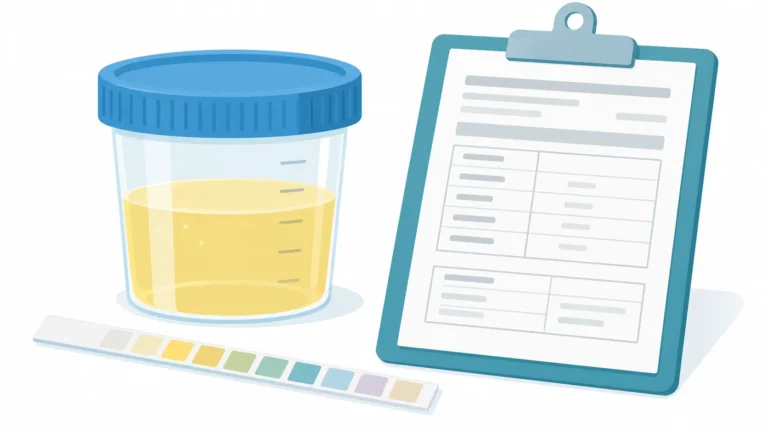
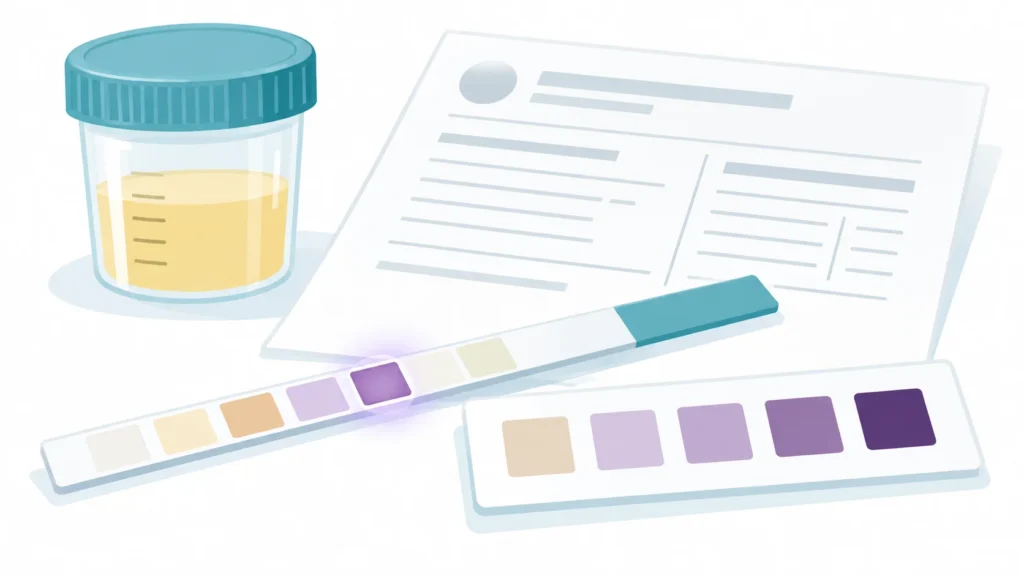
Leukocyte esterase is an enzyme stored inside neutrophils. When those cells are present in urine, a pad on the urine dipstick changes color in reaction to the enzyme, which signals that white blood cells are there even before anyone looks under a microscope.
You may see it reported as “leukocyte esterase,” “WBC esterase,” “leuk est” or “leukocytes, UA.” All of these name the same dipstick test. According to UCSF Health, it is a screening test, and a positive result should be followed by looking at the urine under a microscope.
What is the normal range for leukocytes in urine?
A normal result is 0 to 5 white blood cells per high-power field (WBC/hpf) on a microscope exam, or “negative” for leukocyte esterase on a dipstick. Some labs print 0 to 4 WBC/hpf, so check the range on your own report.
Counts above the normal range are called pyuria. A StatPearls review of sterile pyuria defines it as 10 or more white blood cells per cubic millimeter of urine. The American Society for Microbiology (ASM) notes that 10 or more white blood cells per microliter, or more than 5 per high-power field, is almost always present in people with a UTI.
How do you read leukocytes on a urine test report?
Your report shows white blood cells in one of two ways: as a dipstick grade for leukocyte esterase, or as a microscope count of cells. Many reports show both. The table below lists the wordings you are most likely to see.
| What your report says | What was measured | How it is usually read |
|---|---|---|
| Leukocyte esterase, WBC esterase, Leuk est, Leukocytes UA | Dipstick enzyme test | Negative is normal; trace to large is flagged |
| Trace, Small, Moderate, Large | Dipstick grade in words | Larger amounts mean more white blood cells |
| 1+, 2+, 3+ | Dipstick grade in plus signs | 1+ is small, 2+ moderate, 3+ large |
| 75, 125, 250 or 500 LEU/µL | Dipstick grade as an estimated number | Higher numbers mean more white blood cells |
| WBC/hpf, WBC per high-power field | Microscope count | 0 to 5 is normal |
| WBC/µL, cells/µL | Automated cell count | Normal range printed by your lab |
| “Too numerous to count” (TNTC) | Microscope count | Many white blood cells; strong inflammation |
To see how this line fits with the rest of your urine test, read our guide to urinalysis results explained.
What do trace, small (1+), moderate (2+) and large (3+) mean?
These grades describe how strongly the leukocyte esterase pad changed color. Each strip brand sets its own cutoffs, so the cell counts below are approximate.
| Dipstick result | Approximate white blood cells per microliter | What it often means |
|---|---|---|
| Negative | Few or none | Normal |
| Trace | About 10 to 25 | Often contamination or mild irritation; often repeated |
| Small (1+) | About 70 to 75 | Mild; read with symptoms and nitrites |
| Moderate (2+) | About 125 to 250 | More likely infection or inflammation |
| Large (3+) | About 500 | Strong inflammation; infection likely if you have symptoms |
A trace result in someone without symptoms is one of the most common reasons for a repeat urine test. A moderate or large result with burning or urgency usually leads to a urine culture.
What does 75, 250 or 500 LEU/µL mean?
Some automated readers print a number instead of a word. “LEU/µL” stands for leukocytes per microliter, and it is the machine’s estimate from the dipstick pad, not a count of cells under a microscope.
A result of 500 LEU/µL is the top grade, the same as “large” or 3+. It is not normal, and it points to many white blood cells in the sample. Results of 75 and 250 LEU/µL sit in the small and moderate range.
What does an “Abnormal” flag next to leukocytes mean?
The expected result for leukocyte esterase is “negative,” so a lab’s software flags any amount it detects, even trace. The flag tells you the result is outside the lab’s reference range; it does not tell you the cause or whether you need treatment.
Do leukocytes in urine always mean a UTI?
No. Leukocytes show that the urinary tract is inflamed, but they don’t say why. Doctors read them together with three other lines on the report: nitrites, bacteria and squamous epithelial cells.
The table below shows the common patterns. Only your provider can interpret your own results.
| Leukocytes | Nitrites | Other findings | What it usually suggests |
|---|---|---|---|
| Positive | Positive | Bacteria seen | Bacterial UTI likely |
| Positive | Negative | Bacteria seen, symptoms present | UTI still possible with bacteria that don’t make nitrite |
| Positive | Negative | No bacteria | Sterile pyuria: STI, stone, medicine, recent antibiotics |
| Positive | Negative | Many squamous epithelial cells | Likely a contaminated sample |
Nitrites come from certain bacteria, such as E. coli, that convert nitrate in urine to nitrite. Urine usually needs to sit in the bladder for about 4 hours for this to happen, so a negative nitrite result doesn’t rule out a UTI. Our guide to nitrites in urine explains each result.
How accurate is the leukocyte esterase test?
The leukocyte esterase test is better at ruling out a UTI than at proving one. A 2004 meta-analysis in BMC Urology found that its sensitivity for UTI ranged from 48% to 86% and its specificity from 17% to 93%, depending on the group studied. The authors concluded that a negative dipstick helps exclude infection, while a positive one needs confirmation.
Some things change the result:
- False negatives (white blood cells present, test says negative): large doses of vitamin C, high glucose or protein in the urine, concentrated urine, reading the strip too early, and some antibiotics.
- False positives (test positive, no urinary tract problem): vaginal discharge in the sample and trichomoniasis, according to UCSF Health.
What causes leukocytes in urine?
The most common causes of leukocytes in urine are infection and a contaminated sample. There are 8 main causes, roughly from most to least common.
Urinary tract and kidney infections
A bacterial UTI is the leading cause of leukocytes in urine. Bacteria, most often E. coli, reach the bladder through the urethra, and white blood cells follow.
A bladder infection can cause burning when you pee, frequent or urgent trips to the bathroom, cloudy or strong-smelling urine and pressure low in the belly. A kidney infection (pyelonephritis) adds fever, chills, nausea and pain in the back or side, and needs prompt care.
A contaminated sample
White blood cells from vaginal discharge or the skin around the urethra can get into the cup and make the result look abnormal. A high count of squamous epithelial cells on the same report points to this. Medscape notes that 15 to 20 or more squamous cells per high-power field suggests contamination.
The fix is a repeat sample collected with the clean-catch method. If your urine culture also came back mixed, our guide to mixed urogenital flora explains what that means.
Sexually transmitted infections
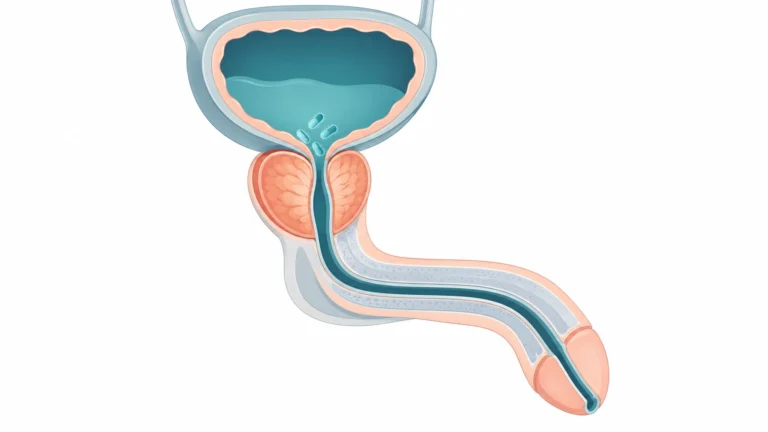
Chlamydia, gonorrhea and trichomoniasis can inflame the urethra and fill urine with white blood cells while the standard urine culture grows nothing. StatPearls reports that in a study of 1,052 people with one of these three infections, 37% had pyuria, and 74% of those had no bacteria on the urine culture.
A routine urinalysis cannot diagnose an STI. Specific urine or swab tests are needed.
Kidney stones
A stone moving through the urinary tract irritates its lining and draws white blood cells, with or without infection. Stones usually cause sharp pain in the back or side that can spread to the groin, often with blood in the urine. For blood that only a test can see, read our guide to occult blood in urine.
Medicines and kidney inflammation
Some medicines can inflame the kidney tissue, a condition called interstitial nephritis, which puts white blood cells in the urine without infection. Common triggers include nonsteroidal anti-inflammatory drugs (NSAIDs) such as ibuprofen, proton pump inhibitors (PPIs) for heartburn, and some antibiotics. Interstitial cystitis, a long-term bladder pain condition, can also cause leukocytes in urine.
Catheters, procedures and recent antibiotics
A urinary catheter, a cystoscopy or other bladder procedure can leave white blood cells in urine for several days. Antibiotics taken before a urine sample can stop bacteria from growing on the urine culture while white blood cells remain, which looks like infection with no bacteria.
Inflammation next to the bladder
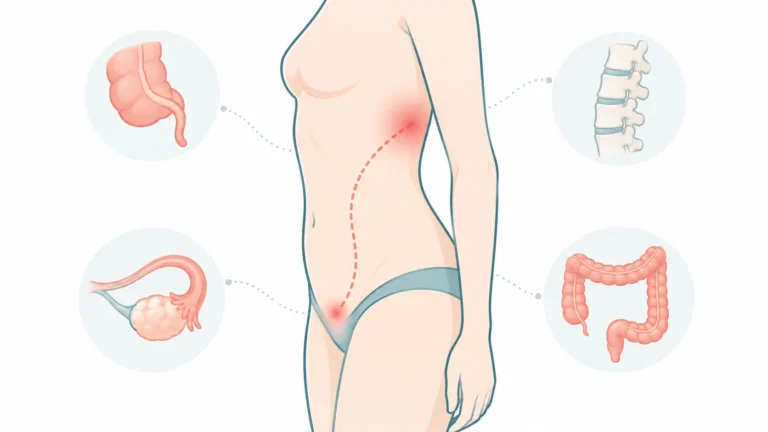
Infection or inflammation in organs near the bladder can spill white blood cells into urine. StatPearls lists pyuria in about 87.5% of people with appendicitis and about 72.7% with diverticulitis in the studies it reviews. This is one reason a doctor may examine your belly when leukocytes show up with abdominal pain.
Tuberculosis and other rare causes
Tuberculosis of the urinary tract is uncommon in the US but is a classic cause of white blood cells in urine with repeatedly negative urine cultures. Lupus, poorly controlled diabetes and kidney transplant rejection are other rare causes listed by StatPearls.
What does it mean to have leukocytes in urine but no infection?
Leukocytes in urine with a negative urine culture is called sterile pyuria. It is more common than most people expect: StatPearls reports it in up to 13.9% of women and 2.6% of men in population studies.
The usual causes are a contaminated sample, an STI, recent antibiotics, a kidney stone or a medicine. When it keeps showing up, doctors follow a set order:
- Repeat the urinalysis with a careful clean-catch sample.
- Test for chlamydia, gonorrhea and trichomoniasis.
- Review medicines and supplements.
- Order blood tests, including kidney function.
- Consider imaging of the kidneys and bladder.
- Test for tuberculosis when exposure or symptoms suggest it, usually with 3 first-morning urine samples in a row.
Can white blood cells in urine be a sign of cancer?
Rarely. White blood cells in urine are far more often caused by infection, contamination or stones than by cancer. Bladder and kidney cancers more often show up first as blood in the urine, which may be visible or found only on a test.
Persistent leukocytes in urine that have no explanation after the usual work-up deserve a closer look, and more so if they come with blood in the urine, a history of smoking, age over 50, or exposure to chemicals used in dyes, rubber or paint manufacturing. In that situation, a doctor may order urine cytology, imaging or a cystoscopy.
Is it the same as a high white blood cell count in your blood?
No. Leukocytes in urine and a high white blood cell count in your blood come from two different tests and mean different things. People often mix them up because both use the word “leukocytes.”
| Leukocytes in urine | High white blood cell count in blood | |
|---|---|---|
| Test | Urinalysis (dipstick or microscope) | Complete blood count (CBC) |
| Normal | 0 to 5 WBC/hpf, or negative | About 4,000 to 11,000 cells per microliter |
| Name of a high result | Pyuria | Leukocytosis |
| Common causes | UTI, contamination, STI, stones | Infection anywhere in the body, stress, smoking, steroids, rarely blood cancers |
A high blood count does not put white blood cells in your urine, and pyuria does not raise your blood count unless the infection spreads, such as a kidney infection.
Leukocytes in urine during pregnancy
During pregnancy, white blood cells in urine get a closer look because urinary infections can spread to the kidneys more easily. The US Preventive Services Task Force (USPSTF) recommends a urine culture at the first prenatal visit or at 12 to 16 weeks, whichever comes first, to look for bacteria even without symptoms.
Pregnancy also increases vaginal discharge, which can contaminate a sample. Tell your OB-GYN or midwife about burning, fever, back pain or bleeding, and expect a repeat urine test or urine culture if leukocytes show up.
Leukocytes in urine in older adults and people with catheters
In older adults and people with long-term urinary catheters, white blood cells and bacteria in urine are common even without infection. A 2020 review in American Family Physician reports bacteria in the urine of 25% to 50% of women and 15% to 50% of men in nursing homes, and in 100% of people with a long-term catheter.
The Infectious Diseases Society of America (IDSA) advises against antibiotics when white blood cells appear with bacteria but no symptoms. Treating these results can cause side effects and resistant infections without helping. Confusion alone in an older adult is not enough to prove a UTI; doctors look for fever, pain or new urinary symptoms.
Once you know what the result may mean, the next questions are whether you need treatment and what tests come next.
Do I need antibiotics for leukocytes in urine?
Only if you have a bacterial infection. Antibiotics treat the bacteria, not the white blood cells, so a positive leukocyte result without symptoms or bacteria usually doesn’t call for them.
According to the IDSA, antibiotics are not indicated when white blood cells come with bacteria in the urine but no symptoms. The two main exceptions are pregnancy and certain urologic procedures that cause bleeding in the urinary tract.
If you do have symptoms of a UTI, your provider may start an antibiotic right away and adjust it once the urine culture results come back. Take the full course as prescribed, even if you feel better after a day or two.
How do doctors find the cause?
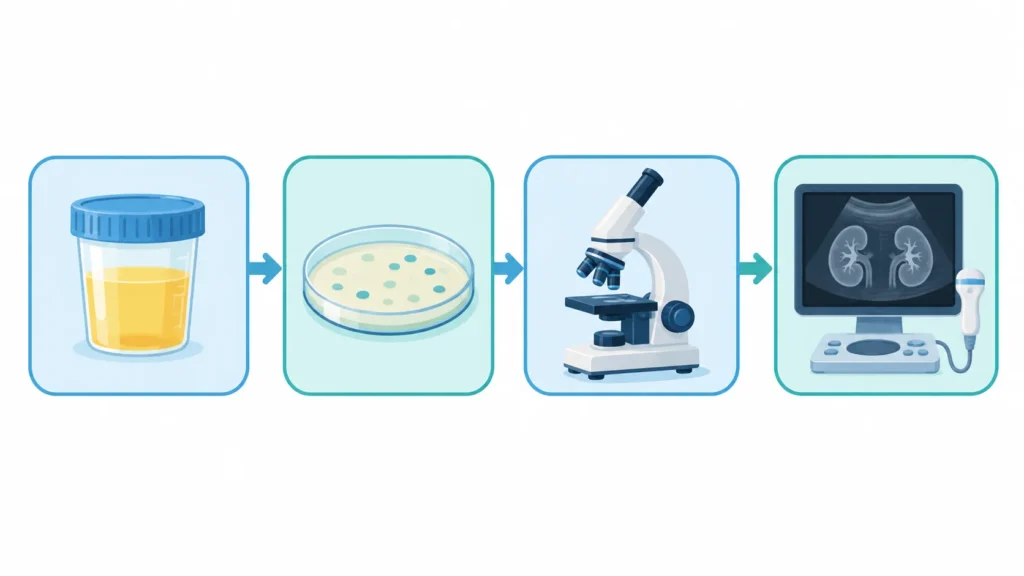
Doctors start with the simplest explanation and add tests only when the picture doesn’t fit. The common next steps are:
- Repeat urinalysis with a clean-catch sample, to rule out contamination
- Urine culture, to identify bacteria and the antibiotics that work against them
- STI testing, a urine or swab test for chlamydia, gonorrhea and trichomoniasis
- Blood tests such as creatinine and estimated glomerular filtration rate (eGFR), to check kidney function
- Imaging, usually an ultrasound or CT scan, to look for stones or a blockage
- Cystoscopy, a look inside the bladder with a thin camera, if blood or an unexplained result persists
How long do leukocytes stay in urine after a UTI?
White blood cells can stay in urine for several days after a UTI starts to improve, sometimes a week or more, while the lining of the bladder heals. Feeling better is the main sign that treatment is working.
For this reason, doctors don’t usually repeat the urine test after a simple UTI if your symptoms are gone. A repeat test makes sense if symptoms return, if you are pregnant, or if the infection involved the kidneys.
How do you get rid of leukocytes in urine?
You get rid of leukocytes in urine by finding and fixing what caused them. There is no supplement, drink or diet that clears white blood cells from urine on its own.
The steps depend on the cause: an antibiotic for a bacterial UTI or an STI, time and pain control for a small kidney stone, stopping a medicine that inflamed the kidney, or simply a cleaner sample when contamination was the problem.
For people who get UTIs often, a few habits lower the chance of the next one:
- Drink enough water that your urine stays light yellow.
- Pee when you feel the urge instead of holding it for hours.
- Pee after sex.
- Wipe from front to back.
- Ask your provider about vaginal estrogen if you are past menopause.
Cranberry products can help with prevention. A 2023 Cochrane review found that they lowered the risk of repeat UTIs in women with recurrent infections by about a quarter (risk ratio 0.74), but they don’t treat an active infection. White strands you see in urine are often mucus rather than white blood cells; our guide to mucus in urine explains the difference.
When should you see a doctor?
See a doctor if leukocytes show up with burning, frequent urination, discharge or pelvic pain, or if they appear on more than one test without an explanation.
Get care the same day for fever of 100.4°F (38°C) or higher, chills, pain in your back or side, nausea or vomiting, visible blood in your urine, or any urinary symptoms during pregnancy.
Call 911 or go to the nearest emergency room if you feel confused, have a racing heartbeat or trouble breathing, can’t keep fluids down, or can’t pass urine at all.
Frequently asked questions
Can stress cause leukocytes in urine?
No. No research shows that stress puts white cells into urine. Stress can raise the count measured in a blood test, which is a separate result. A positive urine test still needs another explanation, such as infection or contamination.
Can dehydration cause leukocytes in urine?
Dehydration doesn't cause inflammation by itself, but concentrated urine can make a borderline result look stronger. If you were dehydrated when tested, a repeat sample after drinking normally gives a clearer answer.
Can exercise cause leukocytes in urine?
Hard exercise, such as a long run or race, can briefly put small numbers of white cells and some blood in urine. These changes clear within a couple of days, so a repeat test after rest usually comes back normal.
Can you have leukocytes in urine during your period?
Yes. Menstrual blood and discharge can carry white blood cells into the sample. If the test isn't urgent, wait until bleeding stops, or tell the clinic so they can suggest a tampon or another method.
What is the best drink for a urine infection?
Water is the best choice; it keeps urine flowing and diluted. Cranberry juice may lower the chance of repeat infections but won't cure an active one, and sugary or caffeinated drinks can irritate the bladder.
Do men get leukocytes in urine?
Yes, but less often than women, because the male urethra is longer. In men, leukocytes in urine more often point to a true infection, prostatitis or an STI, so doctors usually follow up with a urine culture or STI test.
Sources
- Sherchan R, et al. Sterile Pyuria. StatPearls
- Devillé WL, et al. The urine dipstick test useful to rule out infections. A meta-analysis of the accuracy. BMC Urology, 2004
- UCSF Benioff Children’s Hospitals. Leukocyte esterase urine test
- American Society for Microbiology. Urine Good Hands: Diagnosing UTIs With Urine Cultures
- Medscape. Urinalysis: Reference Range, Interpretation, Collection and Panels
- American Family Physician. IDSA Guidelines for Diagnosis and Treatment of Asymptomatic Bacteriuria
- American Family Physician. Asymptomatic Bacteriuria, 2020
- U.S. Preventive Services Task Force. Asymptomatic Bacteriuria in Adults: Screening
- Williams G, et al. Cranberries for preventing urinary tract infections. Cochrane Database of Systematic Reviews, 2023
Disclaimer
This blog is for informational and educational purposes only, and does not intend to substitute any professional medical advice or consultation. For any health related concerns, please consult with your physician, or call 911.