RBC Blood Test: What Your Red Blood Cell Count Means, Plus Normal Ranges
An RBC blood test counts the red blood cells in your blood, and it’s almost always done as part of a complete blood count. A normal count is about 4.2 to 5.7 million cells per microliter for men and 3.8 to 5.1 million for women, though labs differ. A low red blood cell count usually means anemia, from causes such as low iron, blood loss or kidney disease. A high count often comes from dehydration, smoking or living at high altitude, and sometimes from a lung, heart or bone marrow condition.
Your red blood cell count says a lot about how well oxygen reaches your body. MedlinePlus notes that an RBC count that’s higher or lower than normal is often the first sign of an illness, sometimes before you have symptoms.
This guide explains what the RBC blood test measures, normal ranges and why they differ, the causes and symptoms of a low and a high red blood cell count, when a result is worth worrying about, the tests that may come next, and how each problem is treated.
What is an RBC blood test?
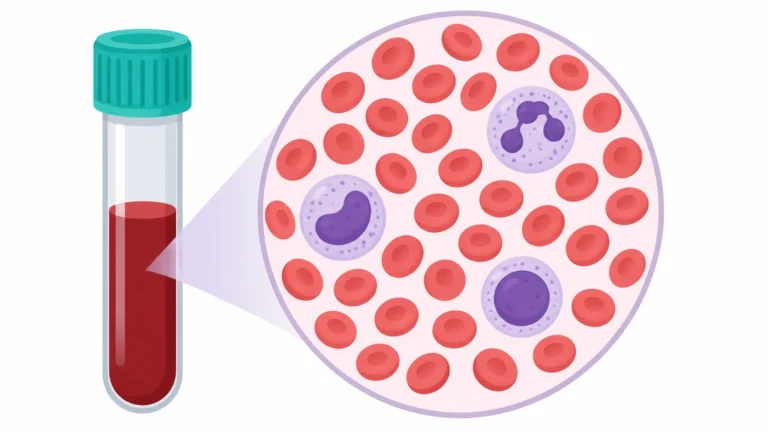
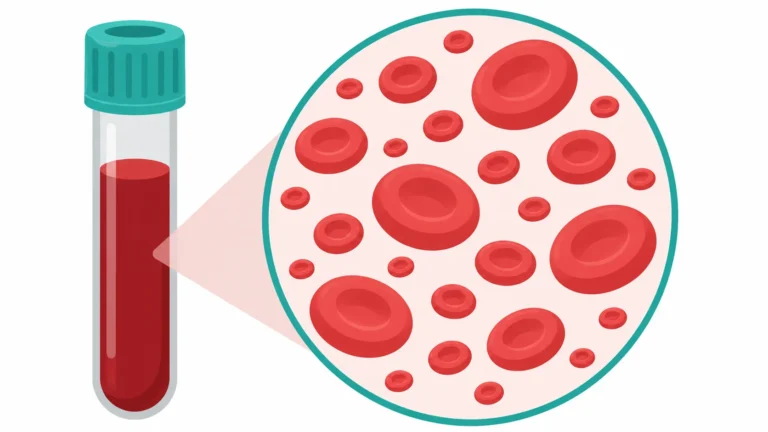
An RBC count, also called an erythrocyte count or red count, measures how many red blood cells you have. MedlinePlus explains that these cells are made in your bone marrow, the spongy tissue inside your large bones.
What do red blood cells do?
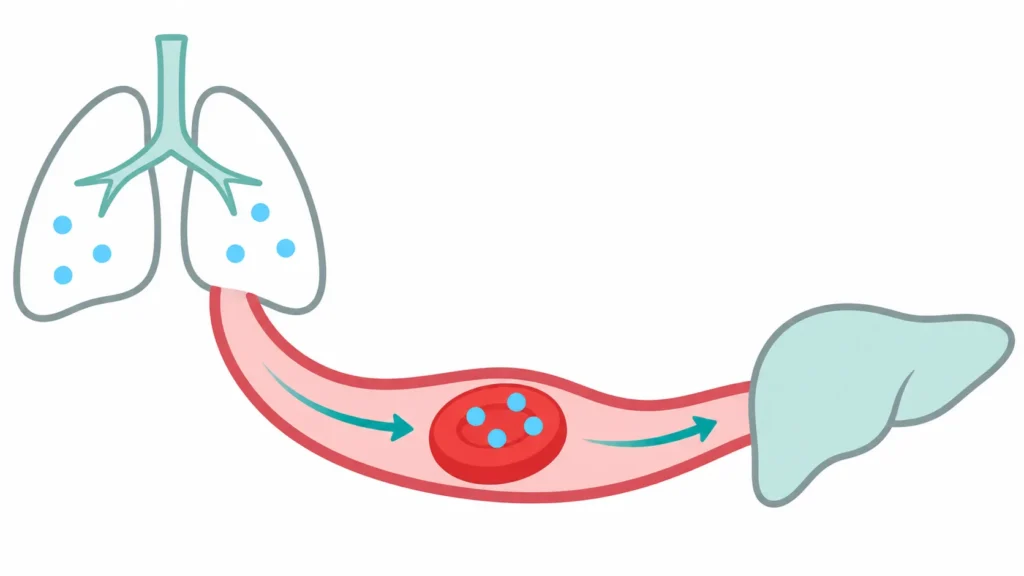
Red blood cells contain hemoglobin, an iron-rich protein that picks up oxygen in your lungs and carries it to every cell in your body. Cedars-Sinai adds that they also bring carbon dioxide back to your lungs so you can breathe it out. How much oxygen your tissues get depends on how many red cells you have and how well they work, UCSF Health explains.
Part of a complete blood count
You’ll rarely get an RBC test on its own. MedlinePlus says it’s almost always part of a complete blood count (CBC), which also measures hemoglobin, hematocrit, white blood cells and platelets. Doctors order it during routine checkups, when you have symptoms like tiredness or weakness, to monitor conditions such as chronic kidney disease, and during treatments like chemotherapy that can lower blood counts.
RBC normal range
Normal ranges vary a little from lab to lab. These are two sets of ranges from U.S. health sources:
| Group | UCSF Health | WebMD |
|---|---|---|
| Men (assigned male at birth) | 4.2 to 5.7 million cells/mcL | 4.7 to 6.1 million cells/mcL |
| Women (assigned female at birth) | 3.8 to 5.1 million cells/mcL | 4.2 to 5.4 million cells/mcL |
| Children | Not listed | 4.0 to 5.5 million cells/mcL |
mcL = microliter. Sources: UCSF Health, WebMD.
Cleveland Clinic calls a count high when it’s above 6.1 million for males or 5.4 million for females. WebMD notes that men usually have a higher count than women.
Why your lab’s range may look different
UCSF Health explains that labs use slightly different methods, and some use different units. You may see your result written as:
- Millions per microliter (million cells/mcL), the most common U.S. format
- Millions per cubic millimeter (million/mm³), which Cedars-Sinai uses; the number is the same
- Trillions per liter (× 10¹²/L), used in the U.K. and many other countries; the number is also the same, so 4.5 × 10¹²/L equals 4.5 million/mcL
Always compare your result to the reference range printed on your own report.
Is 3.7 a low RBC count?
For most adults, yes. A result of 3.7 million cells/mcL sits just below UCSF Health’s lower limit for women (3.8) and well below the lower limit for men (4.2). A result just under the line often means mild anemia, but your doctor will look at your hemoglobin, hematocrit and symptoms before deciding what it means.
Low red blood cell count
A low red blood cell count is called anemia when your body doesn’t have enough healthy red cells. WebMD notes that anemia can be mild or serious and has many different causes.

Causes of a low RBC count
The causes fall into four groups. This list draws on UCSF Health, MedlinePlus and WebMD.
Your body makes too few red cells:
- Low iron, vitamin B12, folic acid, vitamin B6 or copper
- Kidney disease, since damaged kidneys make less erythropoietin, the hormone that tells your bone marrow to make red cells
- Bone marrow failure from radiation, toxins or a tumor
- Malnutrition or alcohol use disorder
- Long-term conditions such as hypothyroidism, lupus, rheumatoid arthritis, inflammatory bowel disease and cirrhosis
- Lead poisoning
You lose blood:
- Injury
- Bleeding from the gut, such as stomach ulcers, which can show up as black or tarry stool
- Heavy menstrual periods
Red cells are destroyed too early:
- Hemolysis, when red blood cells break down too fast, from causes such as a transfusion reaction or damage inside blood vessels
Your blood is diluted:
- Pregnancy
- Too much water in the body (overhydration)
Medicines that can lower your RBC count
UCSF Health lists chemotherapy medicines and chloramphenicol and some other antibiotics. WebMD adds certain antiretroviral drugs for HIV.
Cancers linked to a low RBC count
Most cancers that affect blood counts push the red cell count down, according to WebMD. MedlinePlus and WebMD name:
- Leukemia
- Multiple myeloma, a cancer of the bone marrow
- Hodgkin lymphoma
Chemotherapy and radiation can also lower the count during cancer treatment.
Symptoms of a low red blood cell count
MedlinePlus and WebMD list these signs:
- Tiredness and weakness
- Shortness of breath
- Dizziness or lightheadedness
- Headaches
- Pale or yellow skin, which can be harder to see on darker skin
- An irregular heartbeat
- Cold hands or feet
- Chest pain
High red blood cell count
A high red blood cell count is called erythrocytosis. Some causes make the count look high without any extra cells, while others make your bone marrow produce more of them.
Causes of a high RBC count
Less fluid in your blood: Dehydration, such as from severe diarrhea, concentrates your blood and makes the count read higher, UCSF Health notes.
Your body needs more oxygen: When oxygen runs low, your kidneys release more erythropoietin, and your bone marrow makes more red cells. UCSF Health and Cleveland Clinic list:
- Smoking, including carbon monoxide exposure from heavy smoking
- Lung diseases such as COPD and pulmonary fibrosis
- Sleep apnea
- Congenital heart disease, heart failure and failure of the right side of the heart (cor pulmonale)
- Living at high altitude; UCSF Health says your count rises for several weeks after you move higher
Something drives red cell production directly:
- Kidney cysts or tumors, including kidney cancer
- Liver cancer (hepatocellular carcinoma), which WebMD lists
- Medicines and drugs such as testosterone, anabolic steroids, erythropoietin and gentamicin
A bone marrow disease: Polycythemia vera (PV) is a rare blood cancer in which the bone marrow makes too many red cells. A review in American Family Physician (AFP) says the median age at diagnosis is 64, though up to 25% of people are diagnosed before age 50. A change in a gene called JAK2 shows up in about 98% of cases.
Symptoms of a high red blood cell count
Many people have no symptoms at all, Cleveland Clinic says. When they do appear, they can include:
- Tiredness and shortness of breath
- Headaches and dizziness
- Blurred vision or other vision problems
- Trouble sleeping
- Joint pain
- Itchy skin
- Numbness or tingling
- Nosebleeds
In polycythemia vera, AFP reports that itching after contact with water, such as after a bath or shower, affects 36% to 68% of people.
Why a high count matters
Extra red cells make your blood thicker. Cleveland Clinic warns that this could increase your risk of blood clots. In polycythemia vera, AFP notes that treatment to lower the blood count cut the rate of clots in one study from 46% to 29%.
What else can change your RBC count
Not every abnormal result comes from a disease. Cedars-Sinai lists these factors that can affect your RBC count:
- How much fluid you’ve had
- Stress
- Altitude
- Pregnancy
- Some medicines
- Your body position when the blood is drawn
Cedars-Sinai says your provider may suggest avoiding heavy exercise and stress before the test.
When an RBC result is concerning
There’s no single cut-off that turns a result from fine to alarming. WebMD says any result outside the normal range may be cause for some concern, but you don’t necessarily need to worry a lot. Your doctor may need to run more tests to find out why.
Your doctor will usually take a closer look when:
- Your RBC count is out of range along with a low or high hemoglobin and hematocrit
- You have symptoms, such as tiredness, shortness of breath or chest pain with a low count, or headaches and vision changes with a high count
- The count keeps moving in the same direction on repeat tests
- There’s no clear reason, such as recent dehydration or a move to high altitude
Tests that may come next
MedlinePlus lists these follow-up tests for a low or high RBC count:
- Reticulocyte count, which counts young red blood cells and shows whether your bone marrow is making enough
- Iron tests, to check iron levels and stores
- Vitamin B tests, to measure B12 and other B vitamins
Your doctor will also look at the rest of your CBC, including your RDW, which shows how much your red cells vary in size. For a high count, AFP notes that an erythropoietin (EPO) level helps tell polycythemia vera from other causes: EPO is usually low in PV and high when smoking, sleep apnea or testosterone is the cause. A JAK2 gene test can confirm PV.
How a low red blood cell count is treated
Treatment depends on the cause and how serious it is. The National Heart, Lung, and Blood Institute (NHLBI) says mild anemia may need no treatment. Other options include:
- Iron, prescribed for some mild to moderate cases of iron-deficiency anemia
- Vitamin B12, for B12 deficiency
- Medicines that help your bone marrow make more red cells
- Blood transfusions, which quickly raise the red cell count in people with serious anemia
- Treating the source, such as surgery to stop internal bleeding
The NHLBI warns that iron supplements are usually not given to people who don’t have iron-deficiency anemia, because extra iron can harm organs. Don’t start iron pills without testing.
Foods that help your body make red blood cells
The NHLBI says a healthy diet should include iron-rich foods and foods with vitamin B12. The NIH Office of Dietary Supplements lists these iron sources:
- Lean meat, seafood and poultry
- White beans, kidney beans, lentils and peas
- Spinach
- Nuts and some dried fruits, such as raisins

Your body absorbs iron from plant foods better when you eat them with vitamin C. Good choices include citrus fruits, strawberries, sweet peppers, tomatoes and broccoli. Keep iron supplements away from children: the NIH says accidental iron overdose is a leading cause of fatal poisoning in children under 6.
How a high red blood cell count is treated
Treatment depends on the cause, Cleveland Clinic explains. Fixing dehydration, quitting smoking or treating sleep apnea can bring a high count down when one of these is behind it.
For polycythemia vera, AFP says all patients should have phlebotomy, which means removing blood on a schedule, with a goal of keeping hematocrit below 45%. Doctors also give daily low-dose aspirin unless there’s a reason not to. Cleveland Clinic adds that some people take a medicine called hydroxyurea to slow red cell production.
Steps that can help lower a high RBC count
Cleveland Clinic suggests these steps, depending on the cause:
- Drink plenty of water
- Cut back on coffee, soda and other drinks that make you urinate more
- Quit smoking
- Stay active
- Avoid iron supplements and anabolic steroids
- Use a CPAP machine if you have sleep apnea
- Follow your treatment plan if you have heart failure
How the RBC test is done
A health care professional takes a small sample of blood from a vein in your arm. MedlinePlus says this usually takes less than five minutes and needs no special preparation. You may feel a sting from the needle and have slight pain or a bruise afterward, but these go away quickly.
The bottom line
An RBC blood test counts your red blood cells, which carry oxygen to your body, and it’s almost always part of a complete blood count. A normal count is about 4.2 to 5.7 million cells/mcL for men and 3.8 to 5.1 million for women, though your lab’s range is the one to use. A low count usually means anemia from low iron or vitamins, blood loss, kidney disease or a bone marrow problem. A high count most often comes from dehydration, smoking, high altitude or a lung or heart condition, and less often from polycythemia vera. Treatment depends on the cause, so don’t start iron or other supplements until your doctor knows why your count is off.
Frequently asked questions
Does drinking a lot of water lower your red blood cell count?
It can lower the reading. UCSF Health names overhydration among the reasons for a low red cell reading, since extra fluid dilutes your blood. Drinking enough water also corrects the falsely high reading that dehydration causes.
Is the RBC count the same as hemoglobin?
No. The RBC count is the number of red cells, while hemoglobin is the amount of oxygen-carrying protein inside them. Both are on a CBC, and in anemia they usually drop together.
Does your red blood cell count change with age?
Yes. WebMD and the NHS both note that red cell levels tend to go down as people get older. Children also have slightly lower normal ranges than adult men.
What are the first signs of leukemia in blood work?
Leukemia can crowd out normal blood cells. MedlinePlus lists it as a cause of a low red cell count, and the American Cancer Society notes low platelets can cause easy bruising. Abnormal counts lead to more tests.
Sources
- MedlinePlus. Red Blood Cell (RBC) Count
- WebMD. Red Blood Cell (RBC) Count Test: Results and What They Mean, 2026
- UCSF Health. RBC count, 2026
- Cedars-Sinai. Red Blood Cell Count
- Cleveland Clinic. High Red Blood Cell Count
- Fox S, Griffin L, Robinson Harris D. Polycythemia Vera: Rapid Evidence Review. American Family Physician, 2021
- National Heart, Lung, and Blood Institute. Anemia Treatment and Management
- NIH Office of Dietary Supplements. Iron: Fact Sheet for Consumers
- NHS. Red blood count, 2022
- American Cancer Society. Signs and Symptoms of Childhood Leukemia
Disclaimer
This blog is for informational and educational purposes only, and does not intend to substitute any professional medical advice or consultation. For any health related concerns, please consult with your physician, or call 911.