Why Is My Belly Button Bleeding? Causes, What to Do and When to Worry
Most belly button bleeding comes from small tears in the thin skin of the navel, from cleaning too hard with a cotton swab, scratching an itchy rash, a piercing or an infection. That kind of bleeding is minor and stops with gentle pressure. Bleeding that returns with your period, comes from a lump, keeps coming back without a reason or happens with liver disease needs a doctor. Get emergency care if belly button bleeding comes with black stools, vomit that looks like coffee grounds, dizziness or a painful bulge.
The skin inside your belly button is thin, folded and often damp, so it tears and gets irritated easily. A spot of blood after a shower or on your shirt is usually nothing more than that.
This guide covers the common and less common causes of a bleeding belly button, what it means in babies, how to stop the bleeding, and the signs that need a doctor.
| Cause | Clues | What to do |
|---|---|---|
| Cleaning too hard, scratching or picking | A spot of blood after using a cotton swab, fingernail or tool | Clean gently; let it heal |
| Infection | Redness, warmth, swelling, pain, pus, a bad smell | See a provider |
| Piercing | Bleeding around the jewelry, or swelling and pus | Saltwater care; a provider if infected |
| Navel stone or infected cyst | A hard plug or a tender lump | See a provider |
| Pregnancy | A stretched or popped-out navel rubbed by clothing | Cover it; loose clothes |
| After surgery near the navel | Bleeding at the incision | Call your surgeon |
| Umbilical endometriosis | A dark or red lump that bleeds with your period | See a provider |
| Umbilical hernia | A bulge, often with pain | See a provider; ER if severe |
| Liver disease | Swollen veins around the navel in someone with cirrhosis | Urgent care |
Sources: Cleveland Clinic, CDC, NHS, MedlinePlus, DermNet, Merck Manual, ACG Case Reports Journal.
Cleaning too hard, scratching or picking
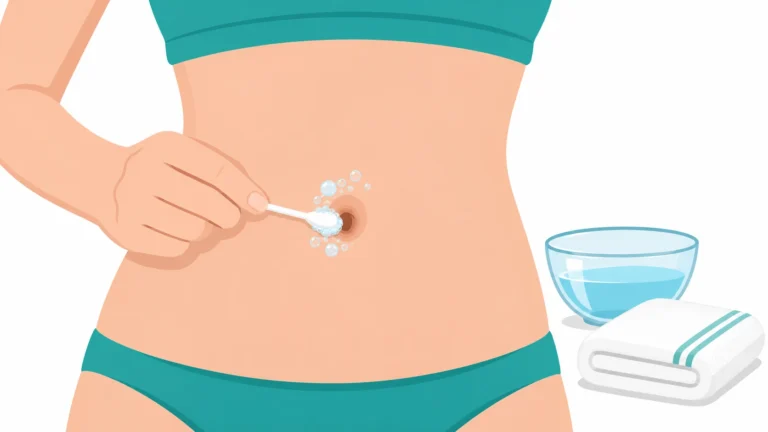
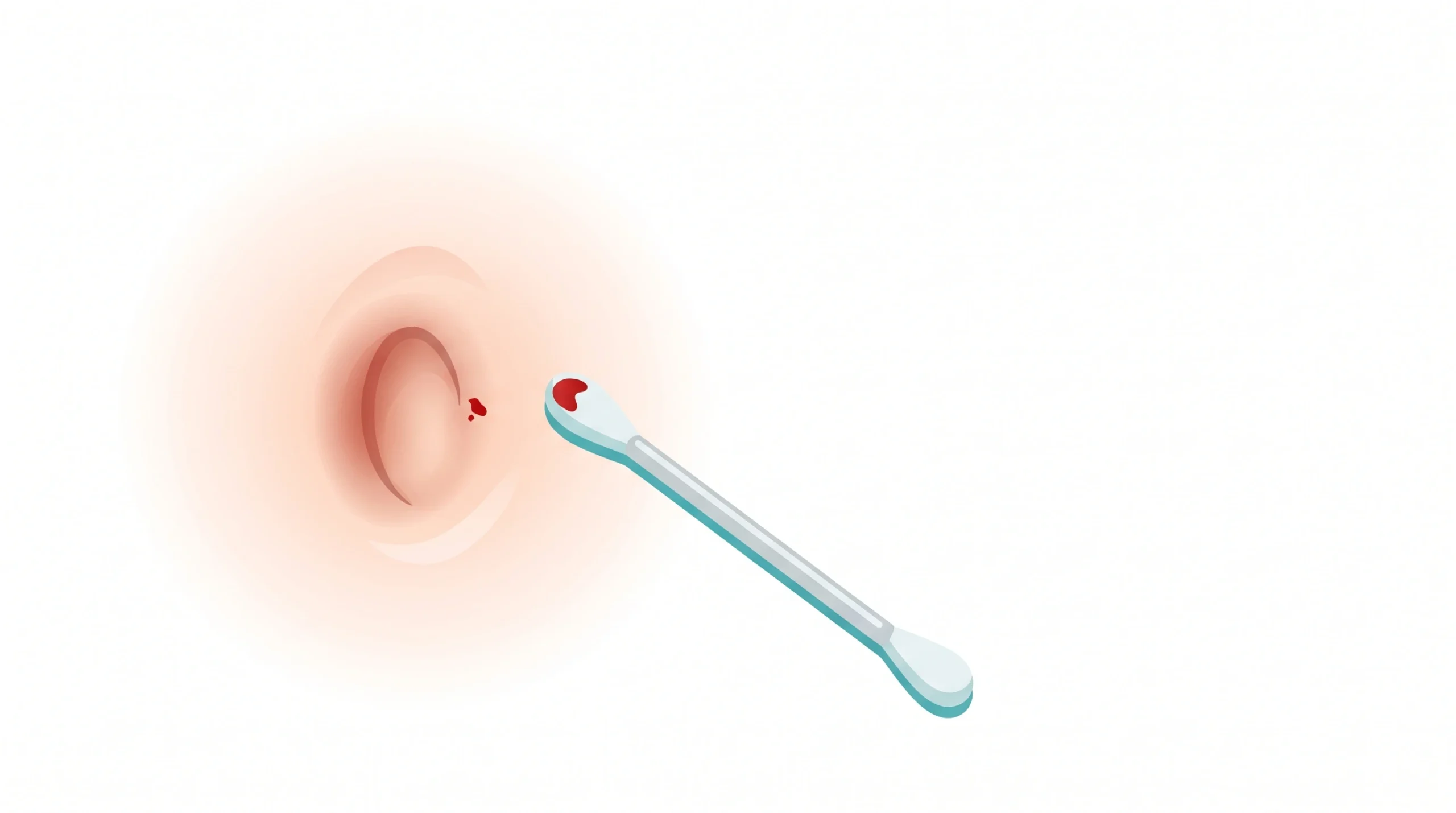
This is the most common everyday reason. Cleveland Clinic warns against scrubbing the inside of the belly button hard, since it can cause small tears, and those tears can let a bacterial infection in. A cotton swab pushed deep into the fold, a fingernail or a tool used to dig out lint or a hard plug can all nick the skin.
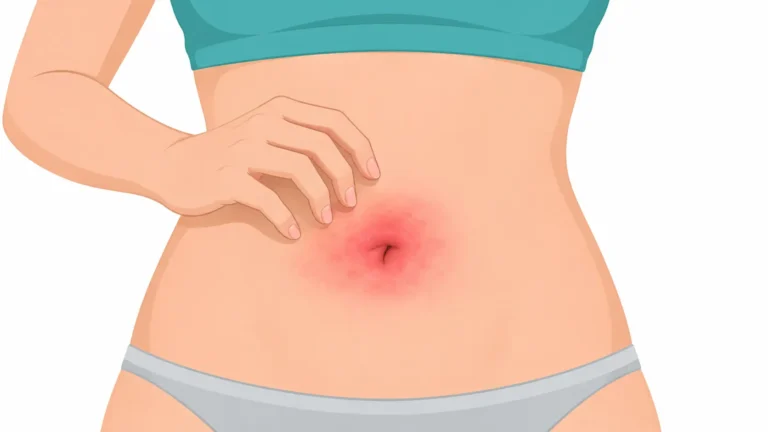
Scratching does the same. An itchy belly button from yeast, nickel allergy or a skin reaction often gets scratched until it bleeds. If your navel itches, our guide to a red, itchy belly button explains the causes and which cream helps.
Infection
A bacterial or yeast infection can make the skin raw enough to bleed. The CDC says a staph skin infection looks like a bump or patch that’s red, swollen, painful and warm, sometimes with pus and a fever. If the bleeding comes with a foul smell or a wet navel, see our guide to why your belly button smells.
Most belly button infections stay minor, but some spread. Our guide on whether a belly button infection can turn dangerous lists the warning signs that need urgent care.
A piercing
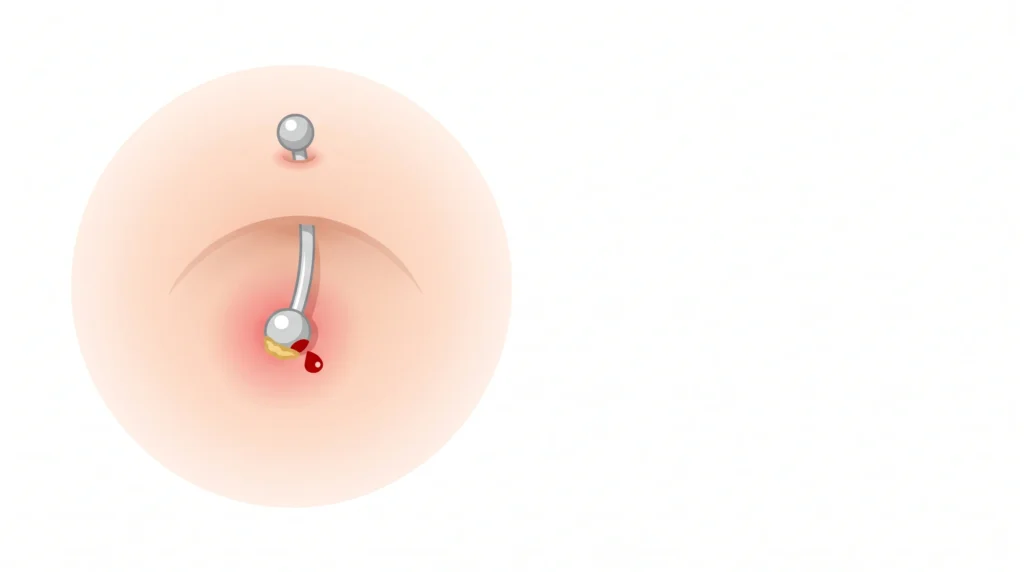
A new navel piercing is an open wound. Cleveland Clinic says some tenderness, redness and crusting is normal for 12 to 18 months while it heals, and snagging the jewelry on clothing can make it bleed.
Infection is a different matter. The NHS lists these signs of an infected piercing: swelling, pain, heat, redness or darkening of the skin, and blood or pus coming out. It advises leaving the jewelry in unless a doctor tells you to take it out, and cleaning the piercing twice a day with warm, salty water.
A navel stone (omphalolith) is a hard plug of skin oil and keratin that builds up in a deep belly button. A 2022 review in Clinical Case Reports says rubbing on a stone can irritate the skin and cause erosions, bleeding and infection. Don’t dig it out yourself; a doctor can remove it with forceps.
An epidermoid cyst near the navel can also become infected. MedlinePlus says an infected cyst turns red, sore and warm and can drain a grayish-white, cheesy, foul-smelling material. Our guide to a lump that hurts when pressed explains how cysts and boils differ.
Pregnancy
As the uterus grows, the belly button often pops out. Cleveland Clinic says this happens most often around 26 weeks of pregnancy, and an outie belly button can rub against clothing and get irritated. Irritated skin that gets scratched can break and bleed.
Cleveland Clinic suggests covering the navel with a bandage or wearing loose clothing. See your provider if the popped-out belly button is painful or you notice a bulge next to it, which can be an umbilical hernia.
Laparoscopic surgery and tummy tucks often use a cut in or near the belly button. Bleeding, pus, warmth or a growing lump at that cut should go to your surgeon. MedlinePlus lists a recent surgical wound among the risk factors for cellulitis, a spreading skin infection.
Less common causes that need a doctor
Bleeding with your period: umbilical endometriosis
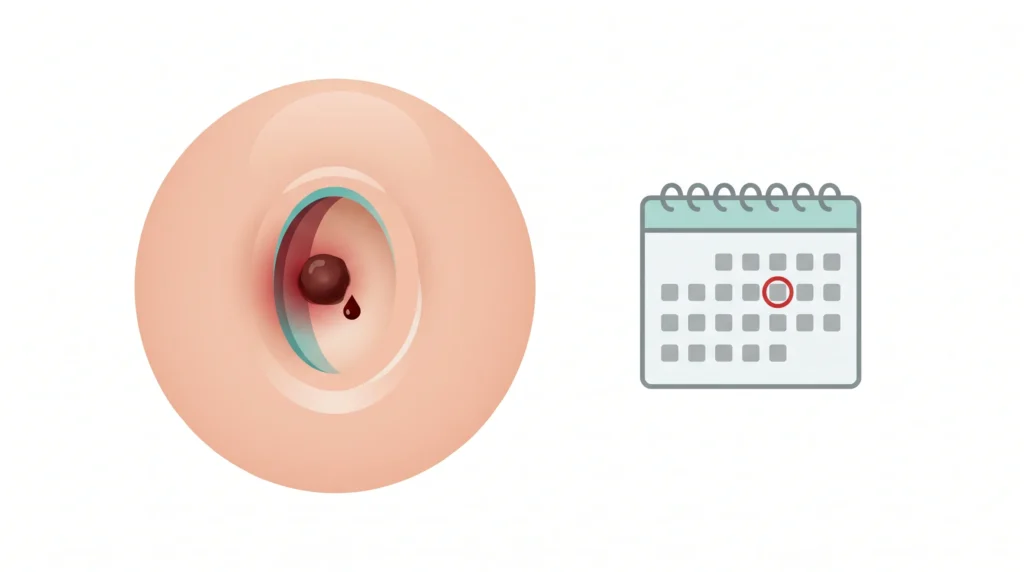
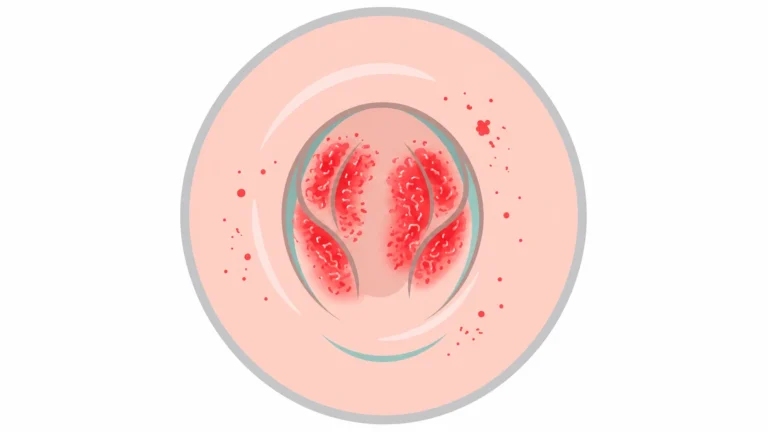
Endometriosis is tissue similar to the lining of the uterus growing outside the uterus. When it grows in the skin, it’s called cutaneous endometriosis. DermNet says it’s rare, but the belly button is one of its most common sites. It often shows up in a surgical scar after a C-section, hysterectomy or laparoscopy, though it can also appear on its own.
DermNet describes a firm lump that may be blue, black, brown or red. Because the tissue reacts to monthly hormones, the lump can cramp and bleed with your menstrual cycle, which is why doctors sometimes call it a “menstruating tumour.” It may also itch, swell or feel tender.
A skin biopsy or removal of the lump confirms it. DermNet says the main treatment is surgery to cut it out, and hormone medicines are another option.
Umbilical hernia
An umbilical hernia is a bulge where fat or bowel pushes through a weak spot in the belly wall at the navel. It can be a hidden cause of bleeding. A 2022 case report in the Journal of Medical Case Reports describes a 40-year-old woman with sudden, repeat bleeding from her belly button, along with pain near the navel, nausea and vomiting. A CT scan showed an umbilical hernia with dying fat inside it. The authors advise a CT scan when the cause of adult belly button bleeding isn’t clear on exam.
A hernia that gets trapped is an emergency. The Merck Manual describes steady, growing pain, nausea, vomiting and a tender bulge that can’t be pushed back in, sometimes with red skin over it. The trapped bowel can start to die in as few as 6 hours.
Urachal remnant
The urachus is a channel between the bladder and the belly button that normally closes before birth. When part of it stays open, it can get infected. Cleveland Clinic lists fever, lower belly pain and frequent urinary tract infections as possible symptoms, and treatment may include antibiotics, drainage or surgery. The 2022 case report lists leftover structures from before birth, like this one, among the causes doctors look for when an adult’s navel bleeds.
Liver disease and swollen veins
In people with cirrhosis, scarring of the liver raises the pressure in the veins that carry blood from the gut to the liver. This is called portal hypertension, and it can make veins around the belly button swell. A 2014 report in the ACG Case Reports Journal calls skin bleeding from these swollen navel veins a rare complication, but notes that this bleeding tends to be severe and can be fatal. In that case, local pressure stopped the bleeding and the vein was later closed with surgery.
If you have liver disease and your belly button bleeds, get medical care right away. Mayo Clinic adds that vomiting blood or material that looks like coffee grounds, or passing black, tarry stools, are signs of bleeding in the digestive tract that need immediate care.
Rarely. A Sister Mary Joseph nodule is a lump in the navel caused by cancer that has spread from inside the belly. DermNet says that in about a quarter of cases, the lump is the first sign of the cancer, most often from the stomach, colon, pancreas, ovary or uterus. The 2022 case report also lists cancer spread among the causes doctors consider for adult belly button bleeding. A firm, growing or bleeding lump in the navel always needs a doctor’s exam.
A newborn’s umbilical cord stump dries and falls off, and the American Academy of Pediatrics (AAP) says this should happen by about 3 weeks of age. A few drops of blood on the diaper around that time are normal. Active bleeding is not, and the AAP advises calling your doctor right away.
Call the pediatrician too if you see foul-smelling yellowish discharge, red skin around the base of the cord, or your baby cries when you touch the area. A small red or brownish lump that drains light-yellow fluid after the cord falls off is usually an umbilical granuloma.
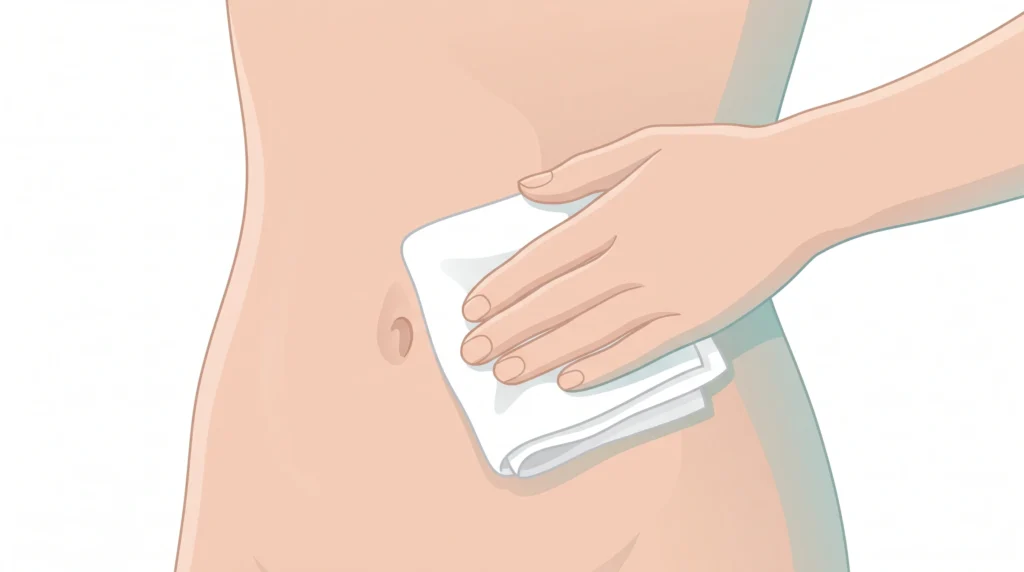
For minor bleeding from a scratch or cleaning:
- Press gently on the navel with a clean cloth or bandage. Mayo Clinic suggests gentle pressure and raising the area for minor cuts and scrapes.
- Rinse the area with clean water once the bleeding stops, and pat it dry.
- Leave it alone. Don’t pick at the scab or poke the navel with a cotton swab while it heals.
- Keep it dry and wear loose clothes so nothing rubs on it.
- Treat the cause. An itchy rash needs the right cream, and an infection needs a provider.
If a newborn’s cord area keeps bleeding, or an adult’s belly button bleeds heavily, keep firm pressure on it and get medical help.
When to see a doctor
Make an appointment if:
- Bleeding keeps coming back without an obvious cause
- The bleeding happens around the same time as your period
- You notice a lump, nodule or bulge in or near the navel
- There’s redness, warmth, swelling, pus or a bad smell
- A piercing or a surgical cut near the navel is bleeding or oozing
- You have liver disease, diabetes or a weak immune system
Get emergency care for:
- Heavy bleeding that won’t stop with pressure
- Black, tarry stools or vomit that looks like coffee grounds
- Dizziness, fainting, cold clammy skin or a racing pulse, which Mayo Clinic lists as signs of shock
- A painful bulge at the navel with nausea or vomiting
- Fever with spreading redness
The bottom line
Most belly button bleeding is minor. Small tears from cleaning too hard, scratching an itchy rash, a snagged piercing or a mild infection are the usual causes, and gentle pressure and a clean, dry navel take care of them. A navel stone, an infected cyst or a popped-out belly button in pregnancy can bleed too. See a doctor for bleeding that keeps coming back, bleeding with your period, a lump or bulge, signs of infection, or any bleeding if you have liver disease. Get emergency care for heavy bleeding, black stools, coffee-ground vomit, signs of shock or a painful bulge.
Frequently asked questions
Usually not. A painless spot of blood after cleaning or scratching usually heals on its own. Painless bleeding that keeps returning, or arrives each month with your period, still deserves an exam.
A small scratch, a picked scab or a snagged navel ring often leaves dried blood behind. Gently rinse it with water rather than digging. If a dark crust won't wash out, ask a provider to check it.
Yes. In men, the usual causes are cleaning injuries, scratching, piercings and infection. Less often, a hernia or liver disease is behind it; the ACG case report describes bleeding navel veins in a man with cirrhosis.
It's better to skip it. Mayo Clinic says hydrogen peroxide and iodine can irritate wounds. Clean water and gentle pressure are enough for a minor scrape in the navel.
Sources
- Cleveland Clinic Health Essentials. How To Clean Your Belly Button, 2025
- Centers for Disease Control and Prevention. About Methicillin-resistant Staphylococcus aureus (MRSA)
- Cleveland Clinic. Infected Belly Button Piercing, 2023
- NHS. Infected Piercings
- Jouini W, Litaiem N, Zaimi Y, Mouelhi L, Debbeche R, Zeglaoui F. Omphalolith: An Underdiagnosed Entity. Clinical Case Reports, 2022
- MedlinePlus. Epidermoid Cyst, 2025
- MedlinePlus. Cellulitis, 2025
- Cleveland Clinic Health Essentials. Why Some Belly Buttons Pop Out During Pregnancy, 2024
- Wu B. Cutaneous Endometriosis. DermNet
- Kim YH, Wegehaupt AK, Wingo MT. A Woman with Recurrent Umbilical Bleeding: A Case Report. Journal of Medical Case Reports, 2022
- Ansari P. Abdominal Wall Hernias. Merck Manual Consumer Version, 2024
- Cleveland Clinic. Urachal Remnant, 2026
- Umbilical Varix in a Cirrhotic Patient. ACG Case Reports Journal, 2014
- Mayo Clinic. Gastrointestinal Bleeding: Symptoms and Causes
- DermNet. Sister Mary Joseph Nodule
- American Academy of Pediatrics, HealthyChildren.org. Umbilical Cord Care, 2025
- Mayo Clinic. Cuts and Scrapes: First Aid
Disclaimer
This blog is for informational and educational purposes only, and does not intend to substitute any professional medical advice or consultation. For any health related concerns, please consult with your physician, or call 911.