Protein in Urine: What Trace, 1+ and 2+ Mean, Causes and How to Lower It
Healthy adults pass less than 150 mg of protein in their urine a day. A trace or 1+ result is often temporary, from exercise, fever, dehydration or stress, and fewer than 2 in 100 positive strips point to serious disease. Protein that shows up again on repeat tests can mean kidney damage, most often from diabetes or high blood pressure. Treating the cause and certain blood pressure medicines can lower it.
A urine test that comes back “protein: 1+” or “trace” can be unsettling, mainly because protein in urine is linked to kidney disease. Often, though, it means nothing more than a hard workout or a day without enough water. This guide explains what protein in urine means, what each result level means, the temporary and long-term causes, what’s different in pregnancy, which tests come next and how to bring the number down.
What protein in urine means
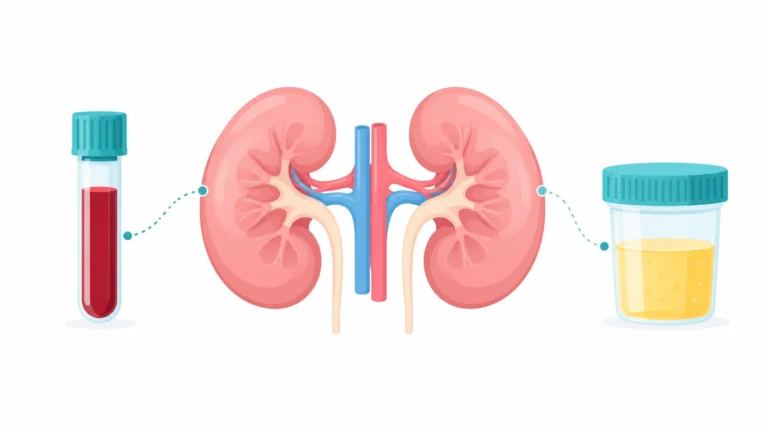
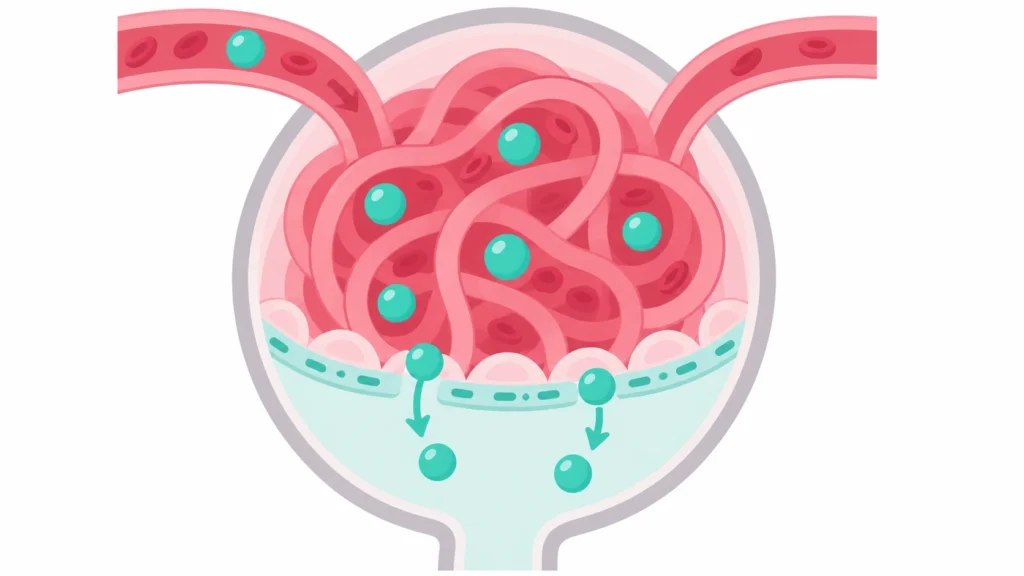
Your kidneys filter your blood through many tiny filters called glomeruli. Cleveland Clinic explains that these filters hold proteins back, and long, thin tubes called tubules recover the small amounts that slip through and return them to the blood. Only a trace should end up in your urine.
When the filters or tubules are damaged, protein leaks out. Doctors call this proteinuria. The main protein involved is albumin, which the American Kidney Fund (AKF) describes as a protein made by the liver that helps build muscle, fight infection and keep the right amount of fluid in your blood. That’s why you’ll also see the term albuminuria.
A normal amount is less than 150 mg of protein a day, according to Cleveland Clinic. More than that is proteinuria. A small, short-lived rise is common and often harmless. Protein that stays high on several tests over 3 months or more suggests a long-term problem, according to the AKF.
Protein in urine levels: what’s normal and what’s high
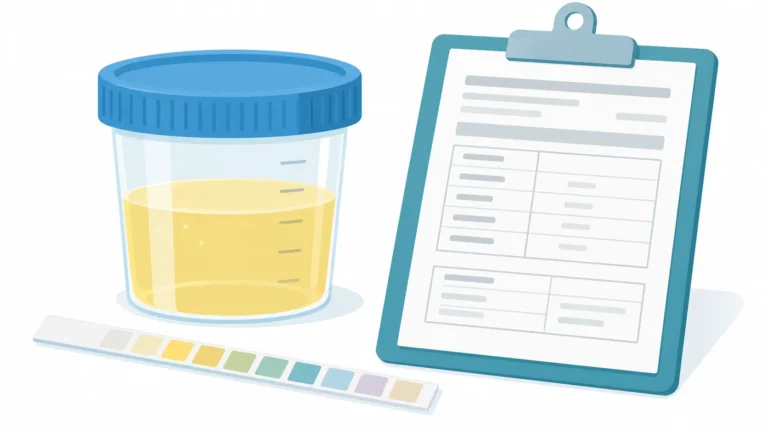
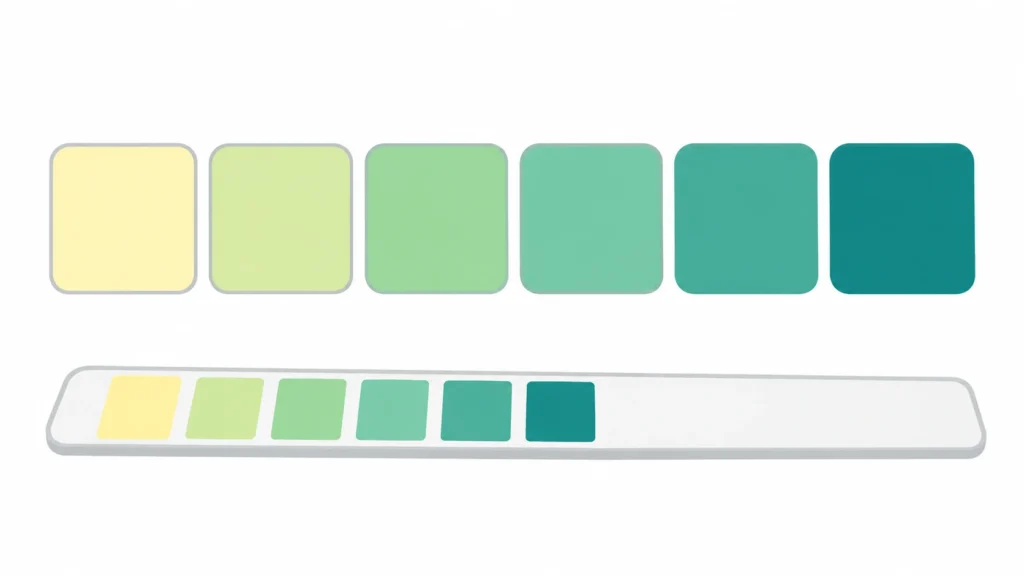
Different tests report protein in different ways. A dipstick on a routine urinalysis shows how concentrated the protein is in that one sample. The urine albumin-to-creatinine ratio (UACR) and a 24-hour urine collection show how much protein you’re losing.
| Test | Result | What it means |
|---|---|---|
| Dipstick | Negative (under 10 mg/dL) | No protein detected |
| Dipstick | Trace (10 to 20 mg/dL) | A small amount; often temporary |
| Dipstick | 1+ (30 mg/dL) | Abnormal; repeat the test |
| Dipstick | 2+ (100 mg/dL) | Moderate; repeat and follow up |
| Dipstick | 3+ (300 mg/dL) | High; needs a full workup |
| Dipstick | 4+ (1,000 mg/dL) | Heavy protein loss |
| UACR | Under 30 mg/g | Normal |
| UACR | 30 mg/g or higher | Possible kidney damage; repeat in a few months |
| 24-hour urine | Under 150 mg/day | Normal |
| 24-hour urine | Over 3.5 g/day | Nephrotic range |
Dipstick values: FPnotebook and American Family Physician. UACR: AKF. 24-hour: Cleveland Clinic and American Family Physician.
So what does “30 protein in urine” or “protein 30 mg/dL” mean? It’s the same as a 1+ dipstick result. It’s above normal, but one reading doesn’t diagnose anything. A “2+ protein in urine” result, or 100 mg/dL, is a clearer signal that needs follow-up.
Doctors also sort UACR results into three groups: under 30, 30 to 300 and over 300 mg/g. The higher the group, the higher the risk of kidney and heart problems. MedlinePlus notes that the amount of protein in urine is linked to the amount of kidney damage.
Trace or 1+ protein: should you worry?
Usually not on its own. A 2000 review in American Family Physician found that dipstick protein turns up in up to 17% of people in some screened groups, but fewer than 2% of positive dipsticks reflect a serious, treatable urinary tract problem.
The review advises repeating a first-morning dipstick at least twice over the next month when the first result is trace to 2+. If the repeats are negative, it was transient proteinuria, which isn’t linked to any extra health risk. If protein shows up again, the next step is a UACR and a blood test for kidney function.
A trace result matters more if you have diabetes, high blood pressure or a family history of kidney disease. Those are the groups doctors screen most closely.
What does protein in urine look like?
Small amounts don’t change how urine looks, and the AKF says mild kidney damage with a little protein causes no symptoms. Larger amounts can make urine foamy or bubbly, with foam that stays in the toilet after you flush instead of settling. Some bubbles are normal, mainly after a fast, strong stream. Foam that shows up day after day is worth a test.
With heavy protein loss, the AKF and Cleveland Clinic list:
- Foamy, frothy or bubbly urine
- Swelling in the face, hands, belly, feet or ankles
- Puffy eyes, mainly in the morning
- Peeing more often
- Tiredness, nausea or vomiting and poor appetite
- Muscle cramps at night
- Shortness of breath
These are also signs of kidney disease. Our guide to the early signs of kidney disease explains how they fit together.

Temporary causes: when it’s not serious
Can protein in urine be nothing serious? Yes, often. Protein can rise for a short time and then return to normal. The AKF, Cleveland Clinic and MedlinePlus list these common temporary causes:
- Intense exercise, such as a long run or a hard workout
- Fever or a short illness
- Dehydration
- Emotional or physical stress
- Severe cold
- Diet, which can nudge a single reading
- Pregnancy, which raises protein a little in many women
Orthostatic proteinuria is another harmless type. Protein shows up after you’ve been standing or sitting for hours but disappears after lying down overnight. American Family Physician puts it at about 3% to 5% of teens and young adults, and Cleveland Clinic notes it’s more common in people who are tall and slim. A doctor can confirm it by testing a first-morning sample separately from a daytime one.
Can protein in urine go away by itself? Temporary proteinuria does, once the trigger has passed. That’s why doctors repeat the test before drawing conclusions.
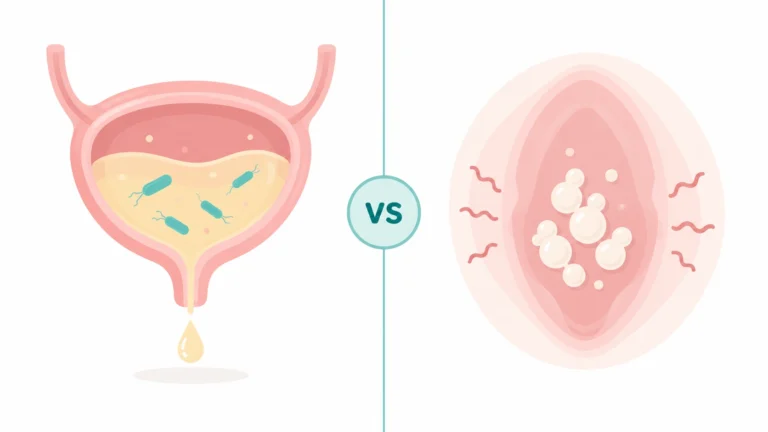
Can a UTI cause protein in urine?
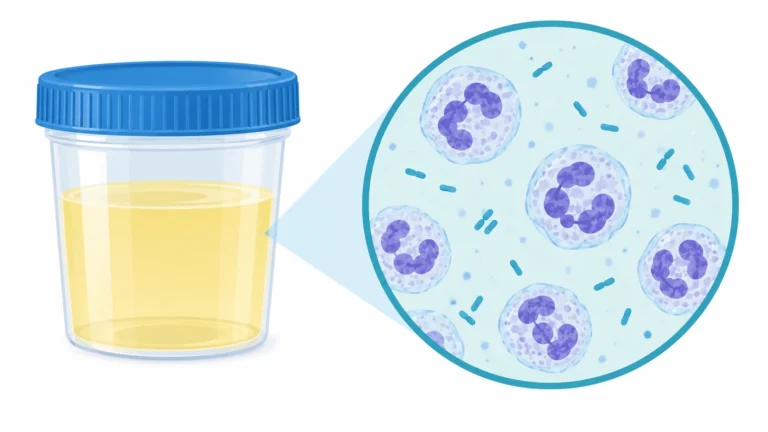
Yes, a urinary tract infection can push the reading up. FPnotebook lists bacteria and pus in the urine among the causes of a false-positive protein result, and Cleveland Clinic lists infection among the kidney-related causes. The protein usually reflects the infection, not lasting kidney damage.
If your urine test also shows leukocytes or nitrites, the infection is the likely reason. Treat the UTI first, then repeat the urine test a few weeks later. Protein that’s still there after the infection clears needs a closer look.
False readings on a urine strip
A dipstick is quick but imperfect. FPnotebook and American Family Physician list these causes of misleading results.
False positives (protein shows up when there isn’t much):
- Concentrated urine, such as a first-morning sample when you’re dehydrated
- Alkaline urine, with a high urine pH
- Blood, pus, semen or vaginal fluid in the sample
- Leaving the strip in the urine too long
- Some medicines and contrast dye from imaging tests
False negatives (protein is missed):
- Dilute urine from drinking a lot of water
- Proteins other than albumin. The dipstick mainly detects albumin, so it can miss the light-chain proteins made in multiple myeloma.
Long-term causes of protein in urine
When protein stays high on repeat tests, it usually means the kidney filters are damaged. Diabetes and high blood pressure are the two most common reasons. Cleveland Clinic and the AKF list these causes:
- Diabetes, which damages the small blood vessels in the kidney filters
- High blood pressure that isn’t controlled
- Chronic kidney disease from any cause
- Glomerulonephritis, inflammation of the kidney filters, including IgA nephropathy
- Autoimmune diseases such as lupus and rheumatoid arthritis
- Preeclampsia during pregnancy
- Heart disease and congestive heart failure
- Kidney stones, infection or cancer affecting the kidneys
- Multiple myeloma, a blood cancer that makes abnormal proteins that spill into urine
- Hemolysis, when red blood cells burst and spill their contents
- Drugs or toxins, including heavy metals
- Daily aspirin or other NSAIDs such as ibuprofen
What is the most common cause of protein in urine? Over the short term, exercise, fever and dehydration. For protein that lasts, diabetes and high blood pressure. A family history of kidney disease also raises the risk, according to the AKF.
Nephrotic syndrome
When the kidneys leak a large amount of protein, more than about 3.5 g a day, it can cause nephrotic syndrome. The National Institute of Diabetes and Digestive and Kidney Diseases (NIDDK) describes it as a group of signs:
- Large amounts of protein in the urine, often with foamy urine
- Low albumin in the blood
- Swelling, mainly puffy eyelids and swollen legs, ankles, feet or lower belly
- High cholesterol and blood fats
In adults, the NIDDK says it’s most often caused by kidney filter diseases such as focal segmental glomerulosclerosis (FSGS), membranous nephropathy and minimal change disease, or by whole-body conditions such as diabetes and lupus. It raises the risk of blood clots and infections, because the body loses infection-fighting proteins in the urine. It needs care from a kidney specialist.
Blood and protein in urine together
Protein and blood together point more strongly to the kidneys than either one alone. Damaged filters can let both red blood cells and protein leak out. Blood alone more often comes from the bladder, prostate or a stone.
If your test shows both, your doctor will likely check your blood pressure and kidney function and may refer you to a kidney specialist (nephrologist). Our guides to blood in your urine and hidden (occult) blood explain the other causes and the tests that sort them out.
Protein in urine during pregnancy
A small rise in urine protein is normal in pregnancy, because the kidneys filter more blood. Reference ranges compiled by Perinatology.com put the upper limit of normal at about 255 mg a day in the second and third trimesters. A level of 300 mg a day or more is the threshold used to diagnose proteinuria in preeclampsia.
Preeclampsia is the main concern. Mayo Clinic says it usually starts after 20 weeks of pregnancy and causes high blood pressure along with protein in the urine or other signs of organ damage. Protein isn’t required for the diagnosis. Preeclampsia happens in about 3% to 10% of pregnancies, according to a 2018 review in the Indian Journal of Nephrology.
Call your doctor or go to labor and delivery right away if protein comes with any of these, which Mayo Clinic lists as preeclampsia signs:
- A severe headache
- Vision changes, such as blurring or light sensitivity
- Pain in the upper right belly, under the ribs
- Nausea or vomiting late in pregnancy
- Sudden swelling of the face or hands, or rapid weight gain
- Shortness of breath
Protein found before 20 weeks can point to kidney disease that was there before the pregnancy, so your doctor may check your kidney function.
Tests after a positive result
A single positive strip is a starting point. Cleveland Clinic and the AKF describe the usual next steps:
- Repeat urine test. A repeat dipstick or urinalysis confirms whether the protein is still there.
- UACR. A spot urine test that compares albumin with creatinine, so it isn’t thrown off by how much you drank. Under 30 mg/g is normal. The AKF says a high result is usually rechecked in a few months.
- 24-hour urine collection. You collect all your urine for a day to measure total protein loss.
- Blood tests, including creatinine and eGFR to measure kidney function, plus blood sugar, cholesterol and albumin
- Imaging, such as an ultrasound or CT scan of the kidneys
- Kidney biopsy, in some cases, when protein is high or kidney function is falling, to find the exact cause
If multiple myeloma is a concern, your doctor will order special blood and urine tests, because a standard dipstick can miss the proteins it makes.
How to reduce protein in urine
There’s no single fix, because protein in urine is a sign rather than a disease. Cleveland Clinic and the AKF say treatment targets the cause. These are the steps doctors use:
- Control blood pressure. The AKF says ACE inhibitors (names ending in “-pril,” such as lisinopril, enalapril and ramipril) and ARBs (names ending in “-sartan,” such as losartan and valsartan) slow kidney damage and treat proteinuria. Your doctor may prescribe one even if your blood pressure is normal. They shouldn’t be taken together, and they can raise potassium, so you’ll need blood tests.
- Control blood sugar if you have diabetes. The AKF lists SGLT2 inhibitors and GLP-1 medicines among the drugs that can also slow kidney damage. The 2024 KDIGO guideline recommends an SGLT2 inhibitor for most adults with chronic kidney disease and an eGFR of 20 or higher, with or without diabetes.
- Eat less salt. Lower sodium helps lower blood pressure.
- Talk to a dietitian about protein portions. The AKF notes that cutting protein isn’t always the answer, because protein is an important nutrient. Your doctor or dietitian will tell you how much is right for you.
- Quit smoking, which Cleveland Clinic lists as part of treatment.
- Limit NSAIDs. Cleveland Clinic and MedlinePlus note that regular use of ibuprofen, naproxen or aspirin can harm the kidneys. Ask your doctor which pain reliever is safe.
- Treat the underlying disease, such as lupus or a glomerular disease, often with medicines that calm the immune system.
Will drinking water reduce protein in urine? Only if you’re dehydrated. Cleveland Clinic and the AKF explain that extra water dilutes your urine, so each sample shows less protein, but it doesn’t stop your kidneys from leaking it.
Are there foods that cause protein in urine? No single food causes kidney damage. MedlinePlus notes that diet can affect a single reading for a short time. Natural remedies and supplements haven’t been shown to lower protein. The National Kidney Foundation warns that some herbal products can harm the kidneys, so check with your doctor before trying them.
Can you live a long life with protein in urine?
Yes, for most people. Temporary and orthostatic proteinuria cause no long-term harm. For persistent proteinuria, the outlook depends on the cause and how well it’s controlled. The goal of treatment is to slow kidney damage, and bringing blood pressure, blood sugar and urine protein down is how doctors do it.
Left untreated, the conditions behind persistent proteinuria can lead to kidney failure. Cleveland Clinic lists other complications of chronic kidney disease, including heart and blood vessel disease, high blood pressure, high cholesterol, nerve damage and bone thinning. Lowering protein in urine is one of the ways doctors track whether treatment is protecting your kidneys.
When to see a doctor
Cleveland Clinic advises seeing a doctor if you:
- Have foamy or bubbly urine that keeps coming back
- Have swelling or puffiness in your face, belly or legs
- Are peeing more often than usual, or it hurts to pee
- Feel dizzy, weak or lightheaded
- Have shortness of breath
- Have symptoms that don’t improve after treatment
Ask for a urine protein test at least once a year if you have diabetes, and ask about regular testing if you have high blood pressure, heart disease or a family history of kidney disease. If you’re pregnant and protein comes with a headache, vision changes or sudden swelling, get care the same day.
The bottom line
Protein in urine means your kidneys let more protein through than usual. A trace or 1+ result is often temporary, from exercise, fever, dehydration, stress or even standing all day, and most positive strips aren’t serious. Protein that stays on repeat tests, mainly with diabetes or high blood pressure, can mean kidney damage. A UACR and a kidney function blood test show where you stand, and blood pressure control, ACE inhibitors or ARBs and good blood sugar control can bring it down.
Frequently asked questions
Is protein in urine the same as high protein in the blood?
No. Blood protein tests measure proteins circulating in your body, a separate result. Heavy protein loss in urine can lower blood albumin, which is one of the signs of nephrotic syndrome.
Can protein shakes or a high-protein diet cause protein in urine?
They don’t damage healthy kidneys on their own, though a heavy protein load the day before can nudge one test. If you have kidney disease, ask a dietitian how much protein suits you.
Can children have protein in their urine?
Yes. CHOP notes it can be normal in children with exercise, fever or gravity, the standing-up pattern. Protein that keeps showing up needs a check by a pediatric kidney specialist.
Do home test strips check for protein?
Many do have a protein pad, but it only reads the concentration in one sample and mostly detects albumin. A positive strip needs a lab urine test and a UACR to confirm it.
Sources
- Cleveland Clinic. Protein in Urine (Proteinuria)
- American Kidney Fund. Protein in urine (Proteinuria) symptoms, causes, tests and treatments, 2026
- American Kidney Fund. ACE inhibitors and ARBs
- MedlinePlus. Protein in Urine
- Carroll MF, Temte JL. Proteinuria in Adults: A Diagnostic Approach. American Family Physician, 2000
- FPnotebook. Urine Protein
- National Institute of Diabetes and Digestive and Kidney Diseases. Nephrotic Syndrome in Adults
- American Journal of Managed Care. New Guideline Updates to Slow CKD Progression and Reduce Cardiovascular Risk, 2025
- Mayo Clinic. Preeclampsia: Symptoms and causes
- Perinatology.com. Protein Excretion Reference Ranges
- Piccoli GB, et al. What we do and do not know about women and kidney diseases. Indian Journal of Nephrology, 2018
- National Kidney Foundation. Herbal Supplements and Kidney Disease
- Children’s Hospital of Philadelphia. Protein in Urine (Proteinuria)
Disclaimer
This blog is for informational and educational purposes only, and does not intend to substitute any professional medical advice or consultation. For any health related concerns, please consult with your physician, or call 911.