
GLP-1 for Weight Loss: A Guide to Ozempic, Wegovy, Mounjaro, Zepbound and the New Pills
GLP-1 medications are prescription drugs that copy a gut hormone to curb appetite, slow digestion and help control blood sugar. Four are approved in the U.S. for weight loss: Wegovy (semaglutide shot or pill), Zepbound (tirzepatide shot), Foundayo (orforglipron pill) and Saxenda (liraglutide, now also generic). In clinical trials, people lost about 11% to 21% of their body weight over a year to a year and a half. They’re for adults with a BMI of 30 or higher, or 27 or higher with a weight-related condition. Nausea and other stomach side effects are common, most people regain weight if they stop, and self-pay prices start around $149 to $299 a month.
GLP-1 drugs have changed how doctors treat obesity. They started as diabetes medicines; the first, exenatide, was approved in 2005, Cleveland Clinic notes. Since late 2025, the list has grown to include two weight-loss pills and a higher-dose Wegovy, and Medicare now covers some of them.
This guide explains what GLP-1s are, which ones are approved, how much weight people lose, who qualifies, side effects and the latest safety updates, what they cost in 2026, how to start, and what happens if you stop.
What is a GLP-1?
GLP-1 stands for glucagon-like peptide-1, a hormone your gut and brain make after you eat. GLP-1 medications, also called GLP-1 receptor agonists, act like this hormone but last much longer in the body.
How GLP-1 medications work

The Ohio State University Wexner Medical Center explains that GLP-1 drugs help release insulin and cut the release of glucagon, a hormone that raises blood sugar. This means:
- You feel full on less food
- Your blood sugar doesn’t spike as much after meals
- Your liver releases less sugar into your blood
- Your stomach empties more slowly, so hunger takes longer to return
They also act on the brain. An endocrinologist at Tufts Medicine says many patients notice less “food noise,” the constant thoughts about food and urges to eat when they aren’t hungry.
Tirzepatide (Mounjaro and Zepbound) works on two hormone receptors, GLP-1 and GIP, according to its FDA label. Orforglipron (Foundayo) is a daily pill that, TIME reports, you can take without any food or drink limits.
Is Ozempic a GLP-1? Brand and generic names
Yes. Ozempic, Wegovy and Rybelsus all contain semaglutide, a GLP-1. Mounjaro and Zepbound contain tirzepatide, which acts on GLP-1 and GIP. Yale Medicine notes that Wegovy and Zepbound have the same active ingredients as the diabetes drugs Ozempic and Mounjaro, but Wegovy and Zepbound are the versions approved for weight management.
| Generic name | Weight-loss brand | Diabetes brand |
|---|---|---|
| Semaglutide | Wegovy (shot and pill) | Ozempic (shot), Rybelsus (pill) |
| Tirzepatide | Zepbound | Mounjaro |
| Liraglutide | Saxenda (and generic) | Victoza |
| Orforglipron | Foundayo | — |
Sources: FDA labels, Yale Medicine, Pharmacy Times, TIME.
GLP-1 drugs list: which are approved for weight loss?
| Drug | Form | Approved for | Weight loss in the main trial |
|---|---|---|---|
| Wegovy (semaglutide) | Weekly shot | Adults and teens 12+; lowers heart risk; MASH liver disease | 14.9% at 68 weeks (STEP 1) |
| Wegovy HD (semaglutide 7.2 mg) | Weekly shot | Adults who’ve tolerated the 2.4 mg dose for 4+ weeks | 89% lost at least 5% (STEP UP) |
| Wegovy pill (semaglutide 25 mg) | Daily pill | Adults; lowers heart risk | 13.6% at 64 weeks; 16.6% for those who kept taking it (OASIS 4) |
| Zepbound (tirzepatide) | Weekly shot | Adults; obstructive sleep apnea with obesity | 15% to 20.9% at 72 weeks, by dose (SURMOUNT-1) |
| Foundayo (orforglipron) | Daily pill | Adults with overweight or obesity | About 11%, or 25 pounds |
| Saxenda and generic liraglutide | Daily shot | Adults and teens 12 to 17 | About a third lost more than 10% |
Sources: Wegovy and Zepbound FDA labels, NEJM, HCPLive, TIME, Pharmacy Times.
The FDA approved the Wegovy pill in December 2025, Wegovy HD in March 2026 and Foundayo on April 1, 2026. In August 2025, the FDA approved the first generic GLP-1 for weight loss, a generic version of Saxenda, according to Pharmacy Times.
Ozempic vs Wegovy, Mounjaro vs Zepbound
The pairs share an active ingredient but have different approvals and doses. Ozempic and Mounjaro are approved for type 2 diabetes, while Wegovy and Zepbound are approved for weight management.
GLP-1 pills vs shots
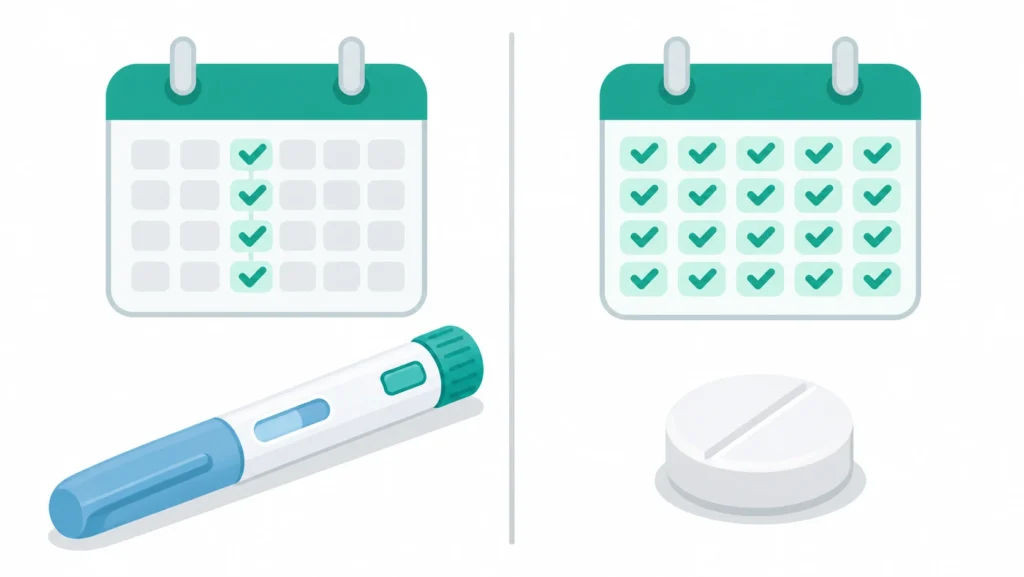
You now have two pill options for weight loss:
- Wegovy pill: a daily semaglutide tablet. In the OASIS 4 trial, people lost about 14% of their body weight over 64 weeks, or about 17% if they stayed on treatment.
- Foundayo: a daily orforglipron tablet. TIME reports people lost about 11% of their body weight, and you don’t need to limit food or drink after taking it.
Weekly shots still produce the largest losses in trials. Pills suit people who don’t want injections, but they have to be taken every day.
How much weight can you lose on a GLP-1?
Results depend on the drug, the dose and how long you take it. In the main trials, which all paired the drug with diet and activity changes:
- STEP 1 (Wegovy): 1,961 adults lost an average of 14.9% of their body weight at 68 weeks, compared with 2.4% on placebo. About half lost 15% or more, according to the New England Journal of Medicine (NEJM).
- SURMOUNT-1 (Zepbound): 2,539 adults lost 15.0%, 19.5% and 20.9% on the 5 mg, 10 mg and 15 mg doses at 72 weeks, compared with 3.1% on placebo.
- OASIS 4 (Wegovy pill): 13.6% at 64 weeks, compared with 2.4% on placebo.
In SURMOUNT-5, the first head-to-head trial, people on tirzepatide lost about 20.2% of their body weight (about 50 pounds) at 72 weeks, compared with 13.7% (about 33 pounds) on semaglutide, Weill Cornell Medicine reports.
Other benefits of GLP-1 medications
Weight loss isn’t the only effect. Approved and studied benefits include:
- Heart protection: In the SELECT trial of 17,604 adults with heart disease and overweight or obesity but no diabetes, semaglutide cut heart attacks, strokes and heart-related deaths by 20%, the American College of Cardiology reports.
- Sleep apnea: Zepbound is approved for moderate to severe obstructive sleep apnea in adults with obesity.
- Liver disease: Wegovy is approved for MASH, a fatty liver disease, with moderate to advanced scarring.
- Blood sugar: GLP-1s lower blood sugar in type 2 diabetes, which can bring down glucose in your urine.
- Kidneys: The American Kidney Fund lists GLP-1 medicines among drugs that can slow kidney damage, which shows up early as protein in your urine.
Cleveland Clinic adds that GLP-1s may also help lower blood pressure.
Who qualifies for a GLP-1?
Yale Medicine says GLP-1 weight-loss medications are approved for adults with:
- A BMI of 30 or higher, or
- A BMI of 27 or higher plus a weight-related condition, such as type 2 diabetes, high blood pressure, high cholesterol, obstructive sleep apnea, heart disease or MASH
Wegovy and generic liraglutide are also approved for some teens 12 and older.
Who shouldn’t take one
According to the FDA labels and Yale Medicine, GLP-1s aren’t recommended if you:
- Have a personal or family history of medullary thyroid cancer or multiple endocrine neoplasia type 2 (MEN 2)
- Have had pancreatitis
- Are pregnant or planning a pregnancy
- Have had a serious allergic reaction to the drug
- Have severe gastroparesis (stomach emptying that’s slowed by nerve damage)
GLP-1 side effects and safety
Common side effects
Cleveland Clinic says the most common side effects are loss of appetite, nausea, vomiting and diarrhea, and they’re more likely when you start the drug or raise the dose. The Zepbound label also lists constipation, belly pain, indigestion, burping, reflux, fatigue, injection site reactions and hair loss.
The higher Wegovy HD dose brought a new one: changes in skin sensation, such as tingling or sensitive skin, in 22% of people, compared with 6% on the regular dose, HCPLive reports. For how long these effects usually last, see our guide on how long Zepbound side effects last.
Serious risks and the latest label changes
Serious problems are rare, but the FDA labels list:
- Thyroid C-cell tumors: a boxed warning, because these tumors appeared in rats; it’s unknown whether this happens in people
- Pancreatitis and gallbladder problems
- Kidney injury from dehydration caused by vomiting or diarrhea
- Low blood sugar when combined with insulin or sulfonylureas
- Food in the lungs during anesthesia, so tell your surgical team you take a GLP-1
- Worsening diabetic eye disease in people with type 2 diabetes
Two changes came in 2026:
- Eye warning added (November 2026): On November 9, 2026, the FDA required every GLP-1 drug to add a warning about non-arteritic anterior ischemic optic neuropathy (NAION), a rare condition that causes sudden vision loss. In the FDA’s analysis, it occurred in 6.4 per 100,000 person-years with GLP-1s, compared with 3.8 with other drugs, Optometry Times reports. Report any sudden, painless vision loss in one eye right away.
- Suicidal-thoughts warning removed (February 2026): The Wegovy and Zepbound labels both list the suicidal behavior and ideation warning as removed in February 2026.
Compounded and online GLP-1s
Compounded semaglutide and tirzepatide aren’t reviewed by the FDA for safety, quality or effectiveness. The FDA warns about dosing errors, counterfeit products and salt forms that aren’t the same ingredient as the approved drugs. As of May 31, 2026, the FDA had received 990 reports of side effects with compounded semaglutide and more than 730 with compounded tirzepatide, some needing a hospital stay.
How to start a GLP-1
Yale Medicine says any licensed clinician can prescribe a GLP-1, including primary care doctors, nurse practitioners, physician assistants and specialists. Ideally, it’s someone who can follow you long term.
Doctors start low and raise the dose slowly to limit stomach side effects. A Yale obesity medicine doctor says the fastest she raises the dose is once a month.
| Drug | Starting dose | How it goes up | Maintenance dose |
|---|---|---|---|
| Wegovy shot | 0.25 mg weekly | Every 4 weeks: 0.5, 1, then 1.7 mg | 2.4 mg (or 1.7 mg); up to 7.2 mg |
| Wegovy pill | 1.5 mg daily | Every 30 days: 4 mg, then 9 mg | 25 mg daily |
| Zepbound | 2.5 mg weekly | Up 2.5 mg after at least 4 weeks | 5, 10 or 15 mg weekly |
| Foundayo | 0.8 mg daily | Step by step through six strengths | Up to 17.2 mg daily |
Sources: Wegovy and Zepbound FDA labels, TIME.
A few practical points from the labels:
- Birth control: Tirzepatide can make birth control pills less effective. Use a non-oral method, or add a barrier method for 4 weeks after starting Zepbound and after each dose increase.
- Pregnancy: Stop Wegovy at least 2 months before a planned pregnancy, because semaglutide stays in the body a long time.
- Shots: Cleveland Clinic says the shots go into the fatty tissue under the skin of the belly, outer thighs, upper buttocks or backs of the arms.
How much do GLP-1s cost in 2026?
List prices are high, but the makers now sell directly to people paying cash. Prices as of November 2026:
| Drug | Self-pay price per month |
|---|---|
| Wegovy pill | $149 (1.5 mg), $199 (4 mg), $299 (9 mg and 25 mg) |
| Wegovy shot | $199 for the first two fills of 0.25 and 0.5 mg, then $349; Wegovy HD $399 |
| Zepbound (vial or KwikPen) | $299 (2.5 mg), $399 (5 mg), $449 (7.5 to 15 mg if refilled within 45 days) |
| Foundayo | From $149 for starting doses; capped at $299 to $349 for higher doses |
Sources: NovoCare, LillyDirect, TIME. Prices change often; check the maker’s site.
Insurance: Teladoc Health notes coverage depends on your diagnosis, whether the drug is used for diabetes or weight loss, and your plan, so call your insurer before you start.
Medicare: A Medicare GLP-1 Bridge program runs from July 1, 2026, through December 31, 2027. It covers Foundayo, Wegovy and Zepbound KwikPen for a $50 monthly copay, according to the National Council on Aging. You need a Part D or Medicare Advantage plan, prior approval, and one of these:
- A BMI of 35 or higher
- A BMI of 30 or higher with heart failure, uncontrolled high blood pressure or kidney disease
- A BMI of 27 or higher with a past stroke or heart attack, prediabetes or peripheral artery disease
Generic option: Generic liraglutide, the same drug as Saxenda, is a daily shot. In its main trial, about a third of people lost more than 10% of their weight, less than with the weekly drugs.
How to choose the best GLP-1 for you
There’s no single best GLP-1. Your doctor will weigh:
- How much weight you need to lose: tirzepatide led to more weight loss than semaglutide in SURMOUNT-5
- Shot or pill: weekly injections or a daily tablet
- Heart disease: Wegovy (shot and pill) is approved to lower heart attack and stroke risk
- Sleep apnea: Zepbound is approved for it
- Age: Wegovy and liraglutide are approved for some teens
- Cost and coverage: what your plan or Medicare covers
- Side effects: if one drug doesn’t agree with you, another may
What happens if you stop taking a GLP-1?
Most people regain weight. Yale Medicine reports that in one trial, people who stopped tirzepatide regained about 14% of their body weight over the next year, while those who kept taking it lost more. Other data show more than 80% of people regain at least a quarter of the weight they lost within a year of stopping.
About half of people who start a GLP-1 stop within a year, Yale Medicine notes. Yale Medicine says clinicians recommend not stopping abruptly. Talk with your prescriber about lowering the dose, switching drugs or adding other treatments.
Getting the most from a GLP-1
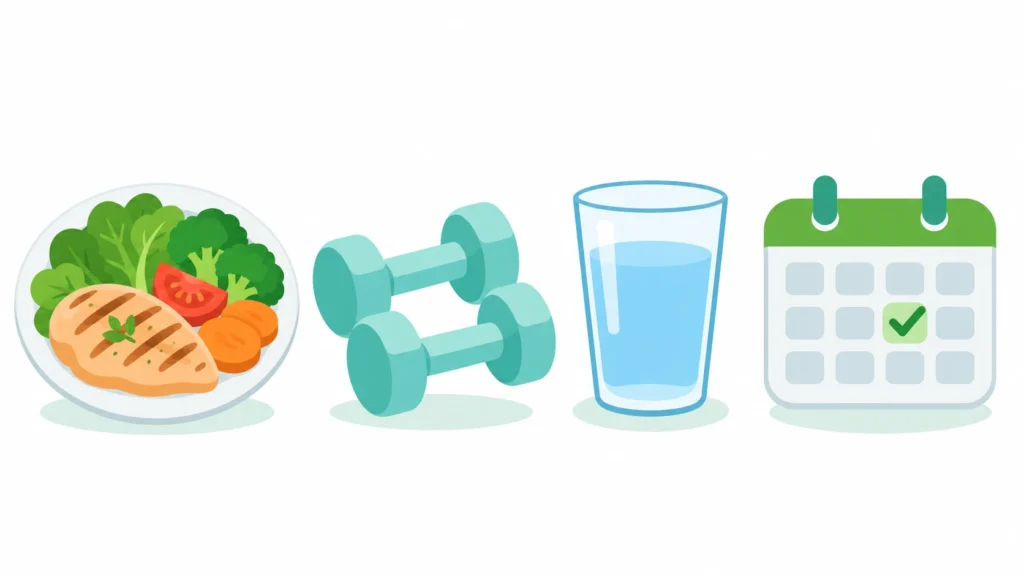
The medicine works best as part of a plan:
- Pair it with lifestyle support. The World Health Organization’s December 2025 guideline recommends long-term GLP-1 therapy combined with intensive behavioral therapy for adults with obesity.
- Protect your muscle. Some muscle loss happens with any weight loss. Tufts Medicine says your care team can help you keep muscle through nutrition and strength training.
- Keep follow-up visits. Regular check-ins help with dose changes, side effects and long-term results.
- Treat it as long term. Yale Medicine compares GLP-1s to blood pressure medicines, since obesity is a chronic disease.
The bottom line
GLP-1 medications copy a gut hormone to reduce appetite, slow digestion and control blood sugar. Wegovy, Zepbound, Foundayo and Saxenda are approved for weight loss, with average losses of about 11% to 21% in trials, and tirzepatide (Zepbound) led to more weight loss than semaglutide (Wegovy) head to head. They’re for adults with a BMI of 30 or higher, or 27 or higher with a weight-related condition. Stomach side effects are common at the start, serious problems are rare, and a new FDA warning covers sudden vision loss. Self-pay prices start around $149 to $299 a month, and Medicare’s bridge program costs $50 a month for eligible people. Most people regain weight after stopping, so plan to use them long term with a clinician who follows you.
Frequently asked questions
Do you need a prescription for a GLP-1?
Yes. Every approved GLP-1 is prescription-only. The FDA advises getting a prescription from your own clinician and filling it at a state-licensed pharmacy, since products sold without one may be fake or unsafe.
How fast do GLP-1s work?
Tufts Medicine says most people notice appetite changes within the first few weeks, while weight loss results build gradually across several months of steady use.
Can you get a GLP-1 online?
Yes, through licensed telehealth providers. Yale Medicine notes continuity of care varies between them, so choose a service that checks your health history and follows up regularly.
Can people with type 1 diabetes take a GLP-1?
GLP-1s aren't FDA-approved for type 1 diabetes. Cleveland Clinic says some studies show they help lower A1C and weight in type 1, and some providers prescribe them off-label.
Do GLP-1s work if you don't have diabetes?
Yes. Wegovy, Zepbound and Foundayo can be prescribed for weight loss whether or not you have diabetes. The STEP 1 and SURMOUNT-1 trials enrolled only adults who didn't have diabetes.
Sources
- Ohio State University Wexner Medical Center. GLP-1 and Other Weight Loss Medications
- Tufts Medicine. Beyond the Scale: Your Guide to GLP-1s, 2026
- Yale Medicine. GLP-1 Medications for Weight Loss: How to Get Started, 2026
- Cleveland Clinic. GLP-1 Agonists
- DailyMed. Wegovy (semaglutide) Label
- DailyMed. Zepbound (tirzepatide) Label
- Wilding JPH, et al. Once-Weekly Semaglutide in Adults with Overweight or Obesity. New England Journal of Medicine, 2021
- Jastreboff AM, et al. Tirzepatide Once Weekly for the Treatment of Obesity. New England Journal of Medicine, 2022
- Weill Cornell Medicine. Head-to-Head Trial Compares Weight Loss Drugs, 2025
- HCPLive. FDA Approves Semaglutide (Wegovy) Pill as First Oral GLP-1 for Weight Loss, 2025
- HCPLive. FDA Approves Higher-Dose Semaglutide (Wegovy HD) Injection 7.2 mg for Obesity, 2026
- TIME. FDA Approves Eli Lilly’s Obesity Pill, Foundayo, 2026
- Pharmacy Times. FDA Approves Generic Version of Liraglutide Injection, a GLP-1 for Weight Loss, 2025
- American College of Cardiology. SELECT: Semaglutide Reduces Risk of MACE in Adults With Overweight or Obesity, 2023
- Optometry Times. FDA Now Requiring NAION Warning Across GLP-1 Receptor Agonist Class, 2026
- U.S. Food and Drug Administration. FDA’s Concerns with Unapproved GLP-1 Drugs Used for Weight Loss, 2026
- NovoCare. Wegovy Pricing
- LillyDirect. Zepbound
- National Council on Aging. Medicare GLP-1 Bridge Program, 2026
- Teladoc Health. Your GLP-1 Medication Starter Guide
- Celletti F, Farrar J, De Regil L. World Health Organization Guideline on the Use and Indications of Glucagon-Like Peptide-1 Therapies for the Treatment of Obesity in Adults. JAMA, 2025
Disclaimer
This blog is for informational and educational purposes only, and does not intend to substitute any professional medical advice or consultation. For any health related concerns, please consult with your physician, or call 911.